Patek Philippe occupies a prominent place in the imaginary hierarchy of watchmaking as envisioned by watch enthusiasts. The company’s rich history, the very high prices of vintage Patek Philippe watches, and the intense speculation surrounding certain current models are the key elements of a beautiful, idealized legend that is easily conveyed in media outlets that are more or less sponsored.
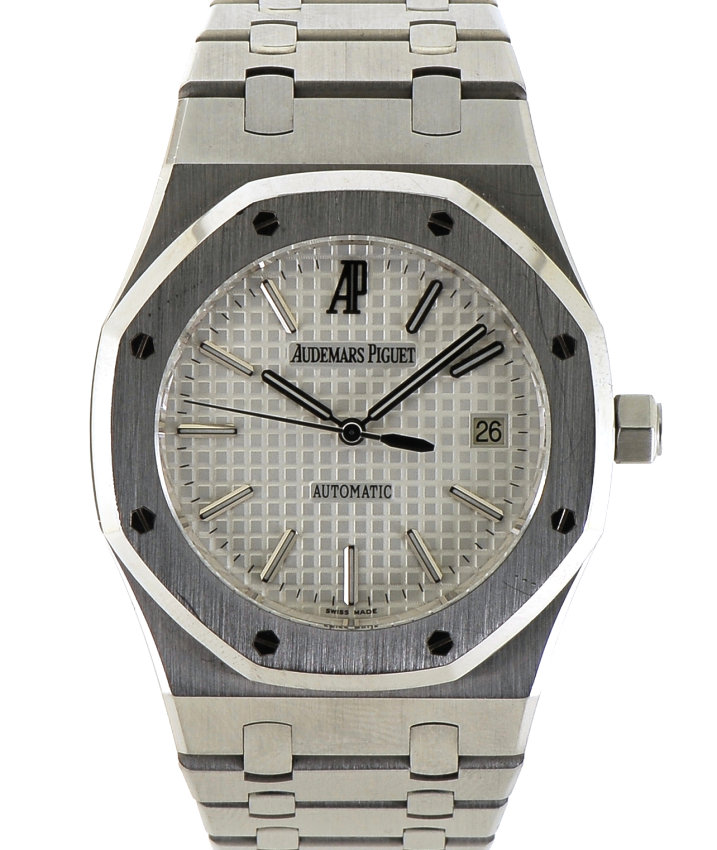
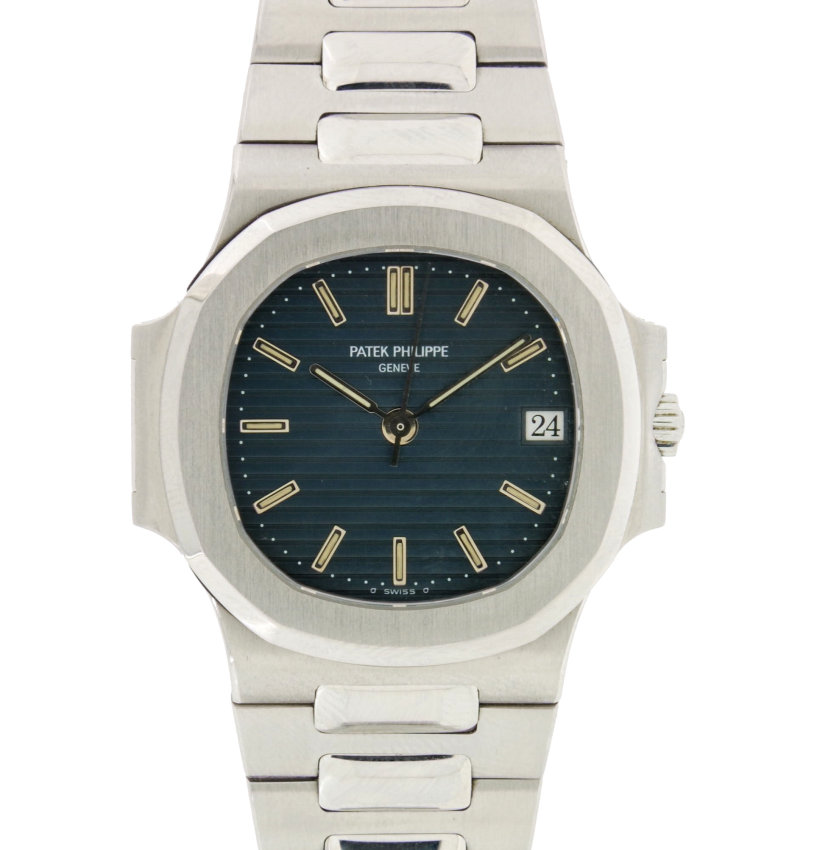
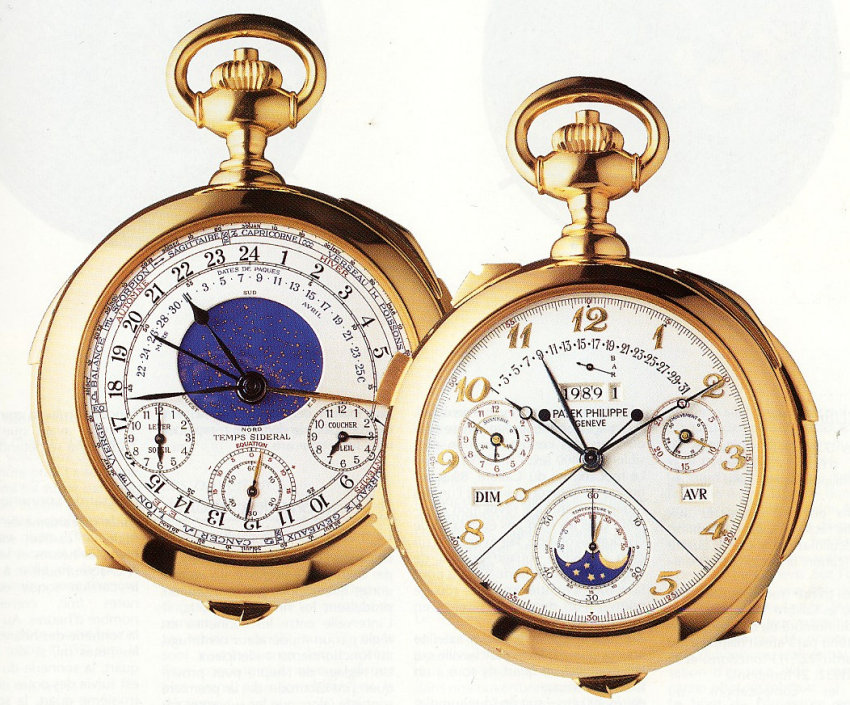
Philippe Stern is credited with having a strategic vision for the revival of the mechanical watch through the launch of the Nautilus model [1], the development of the Caliber 89—the world’s most complicated “wearable” watch at the time—and the creation of the Patek Philippe Museum in Geneva [2].
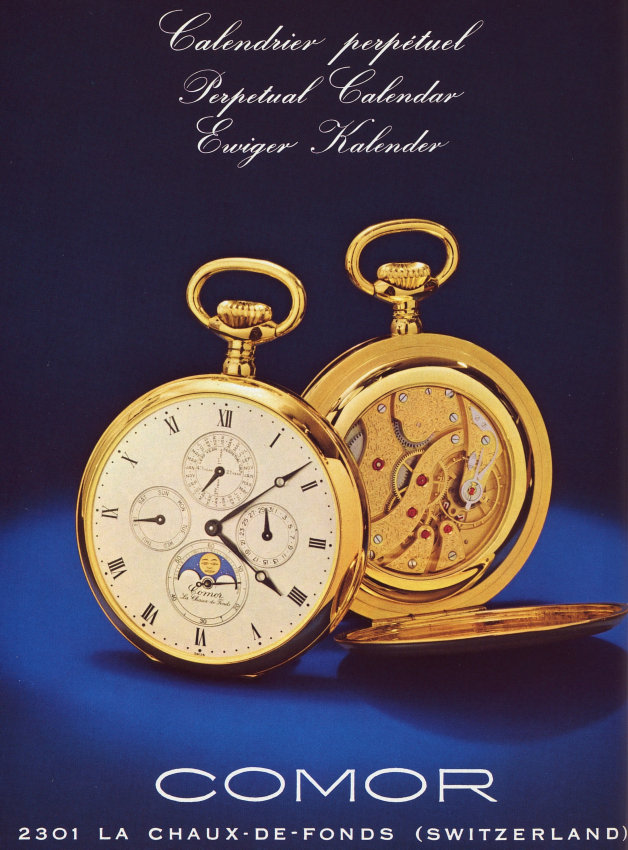
However, looking back, none of these symbols seems to have had any prescient quality, nor do they appear to have been a “first” in the watchmaking world of the 1970s and 1980s.
Let's try to put each of these events into context and show that Patek Philippe was, in fact, following a broader trend that had already been underway for several years.
The "electronic" watch began with the "electric" watch of the 1950s (Hamilton in 1957 and Lip in 1958), then continued with the tuning-fork watch (Bulova in 1960, Ébauches SA in 1968), and reached its peak in 1969 with the launch of the first quartz watches [3].
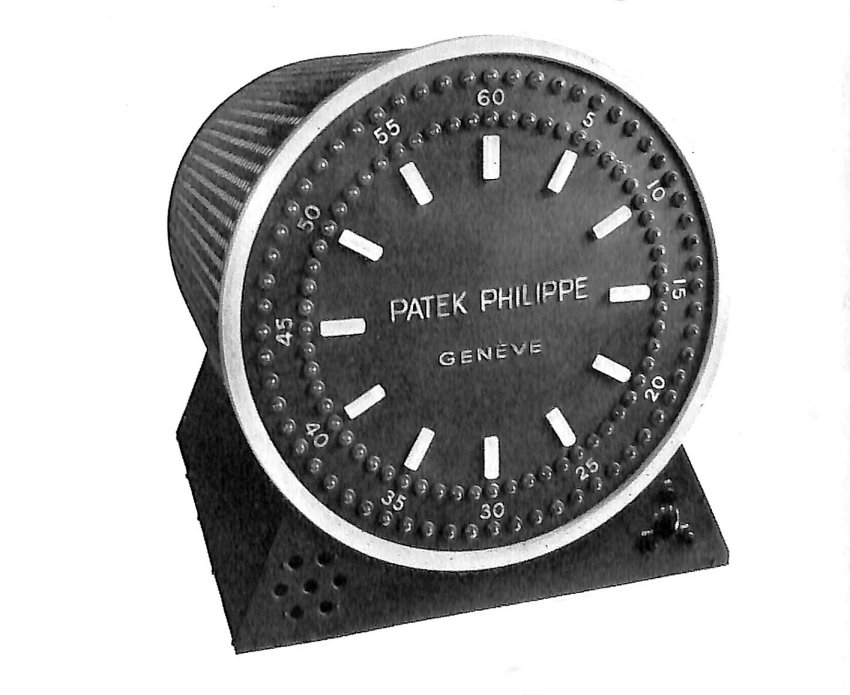
It’s often forgotten today, but Patek Philippe was a pioneer in the field of quartz watchmaking: as early as 1952, the Geneva-based company introduced the first quartz clock without hands [4].