Joel Pynson

May 2026

Images, courtesy Bonhams, Cornette de St Cyr

- Lots 26 et 35

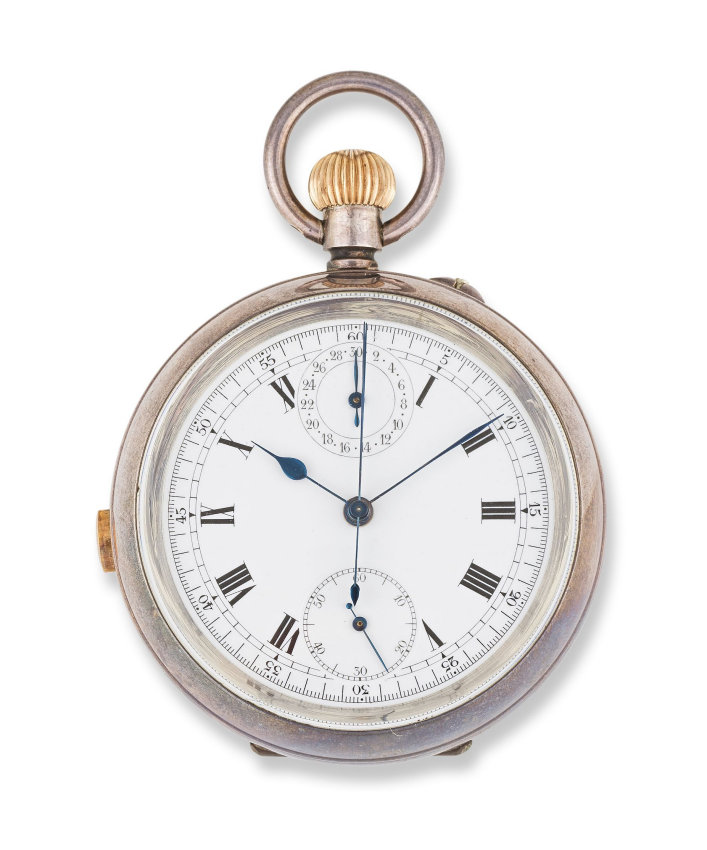
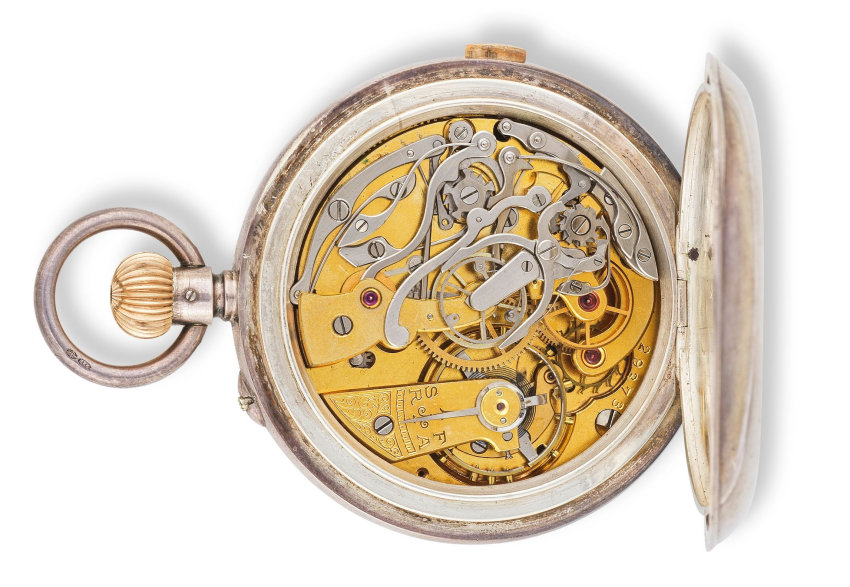
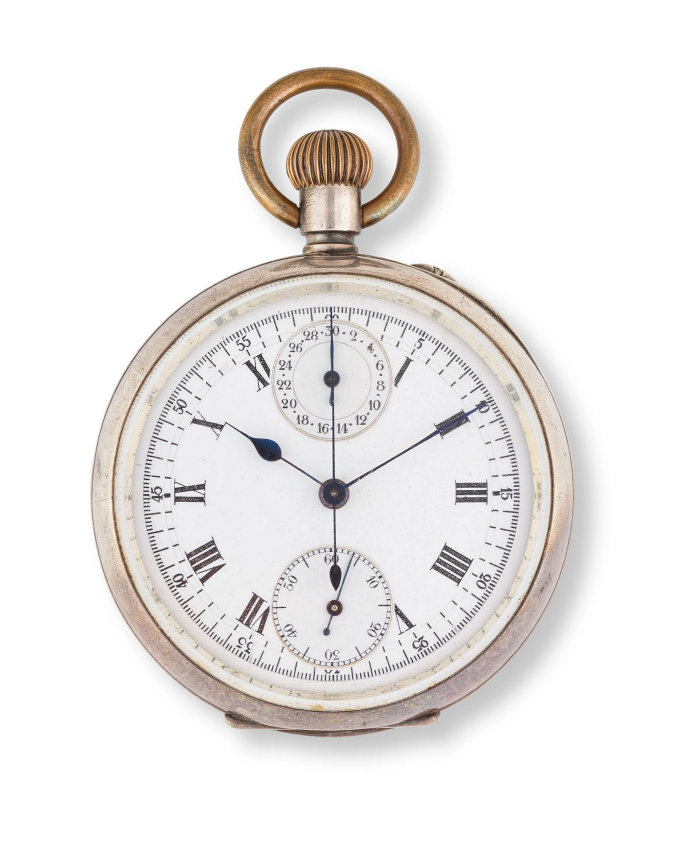
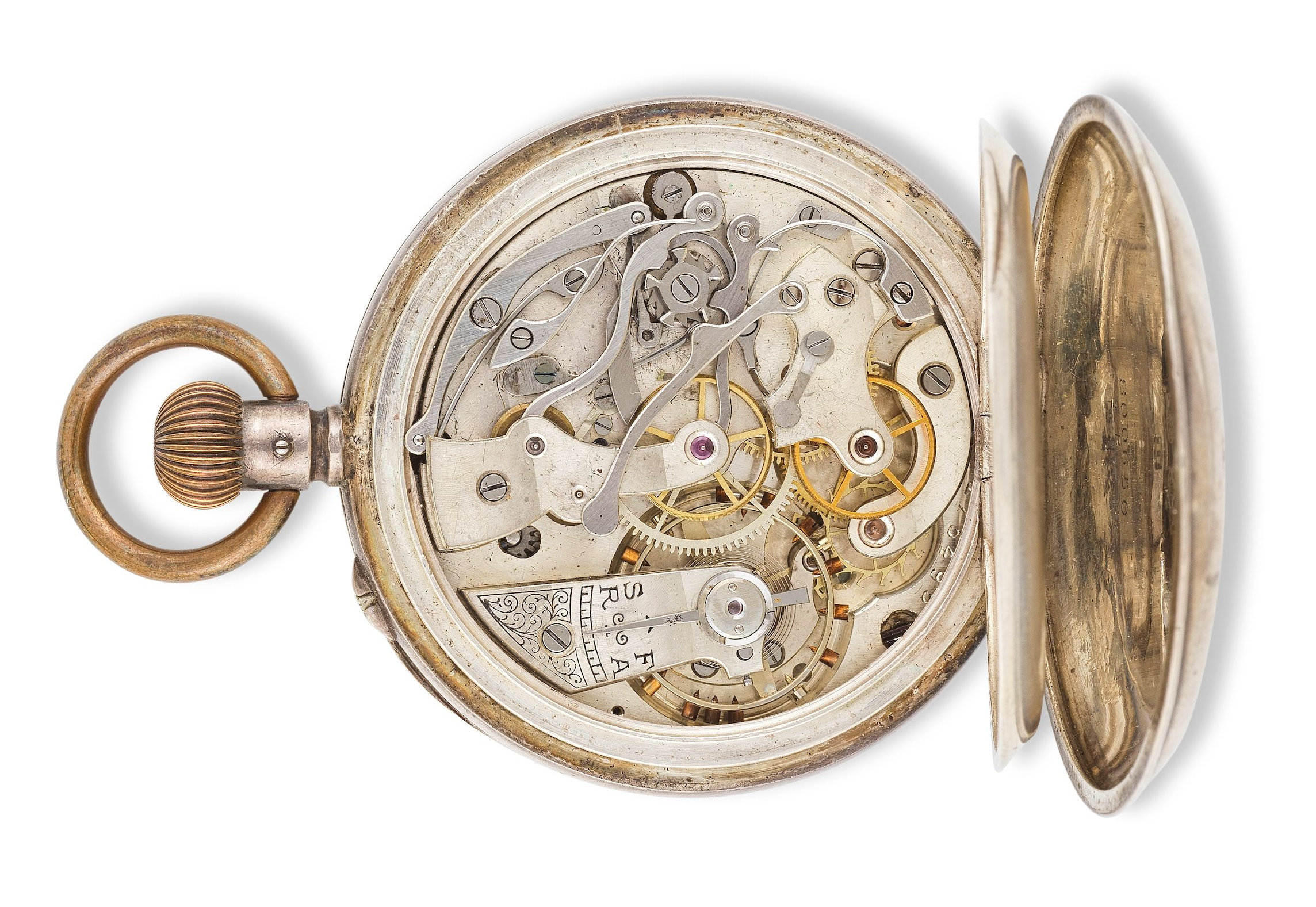
These two chronographs—the first being the more sophisticated model with a split-seconds hand and repeater—were produced by the Electa manufactory in La Chaux-de-Fonds. They are based on chronographs from the Timing & Repeating Watch Co. of Geneva, which in turn were based on American Waltham chronographs.

For more information on this topic, see the article on Electa pocket chronographs here.

- Lot 58

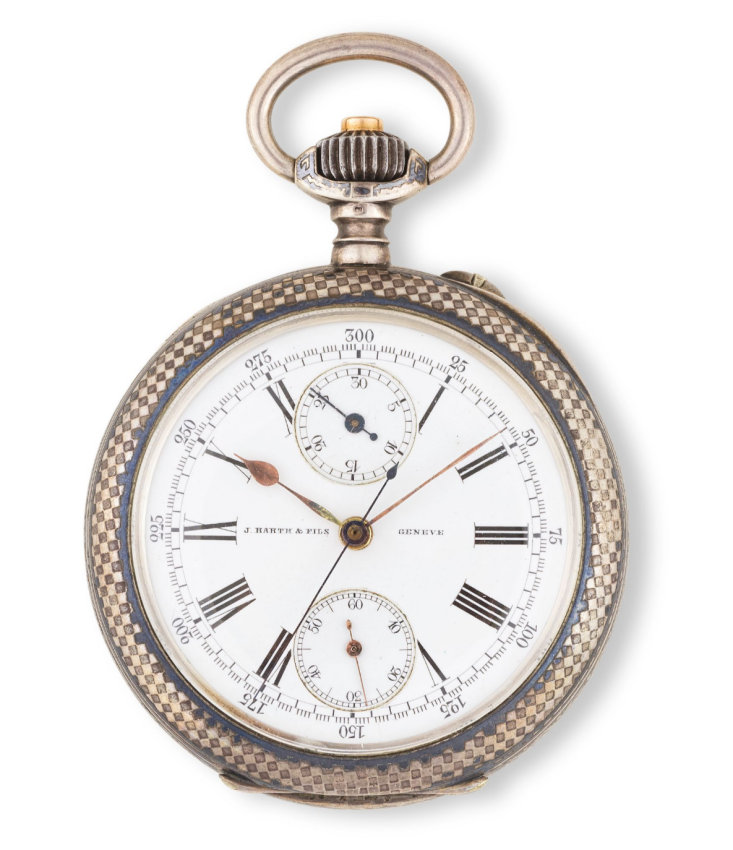
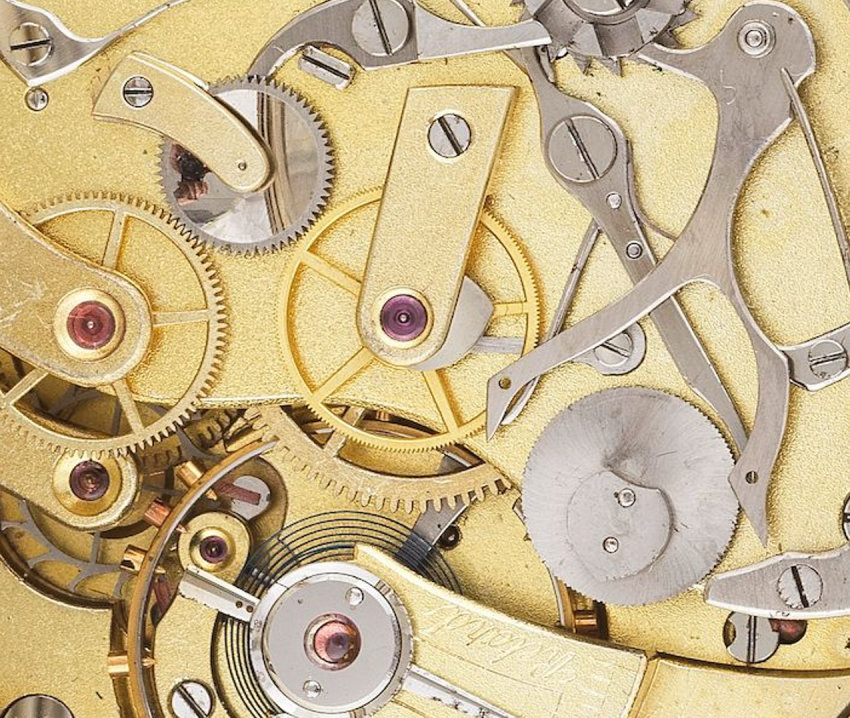
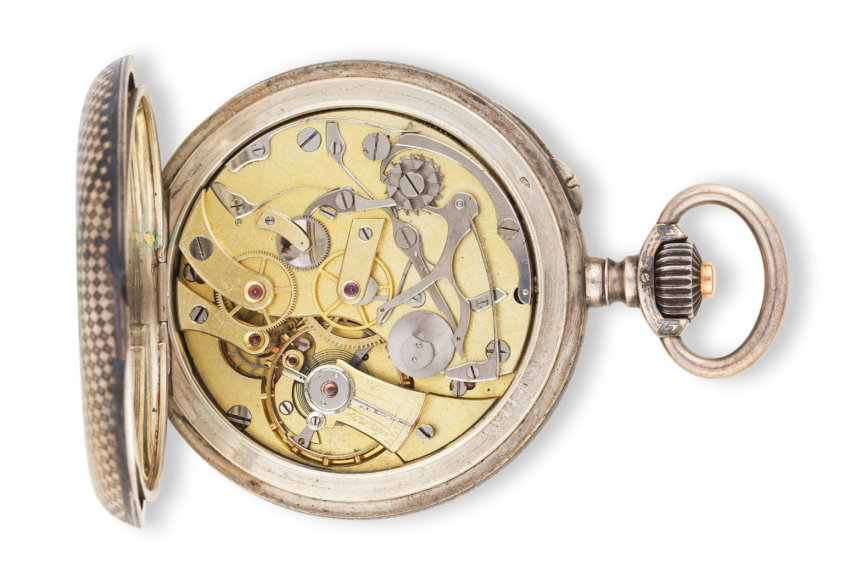
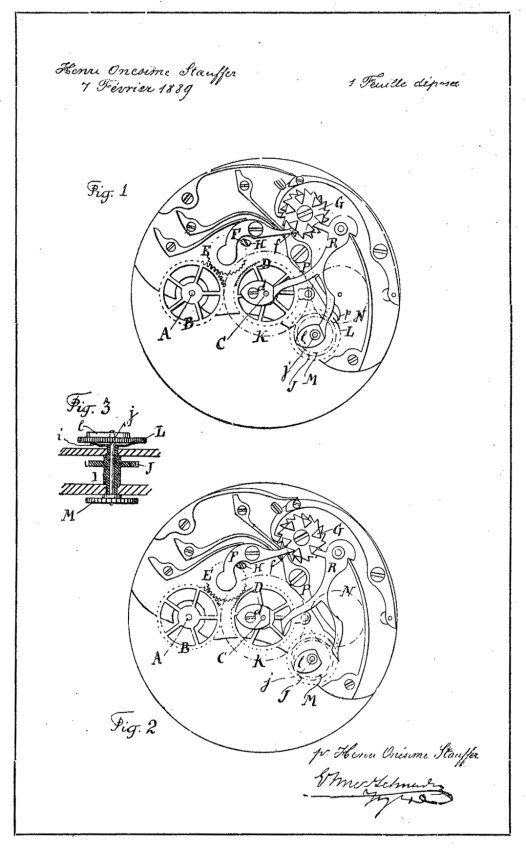
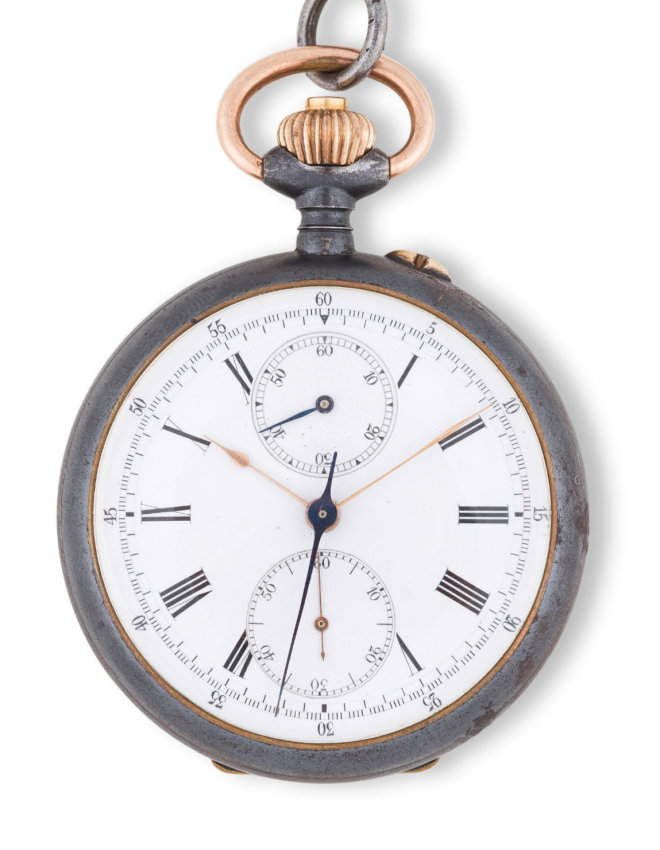
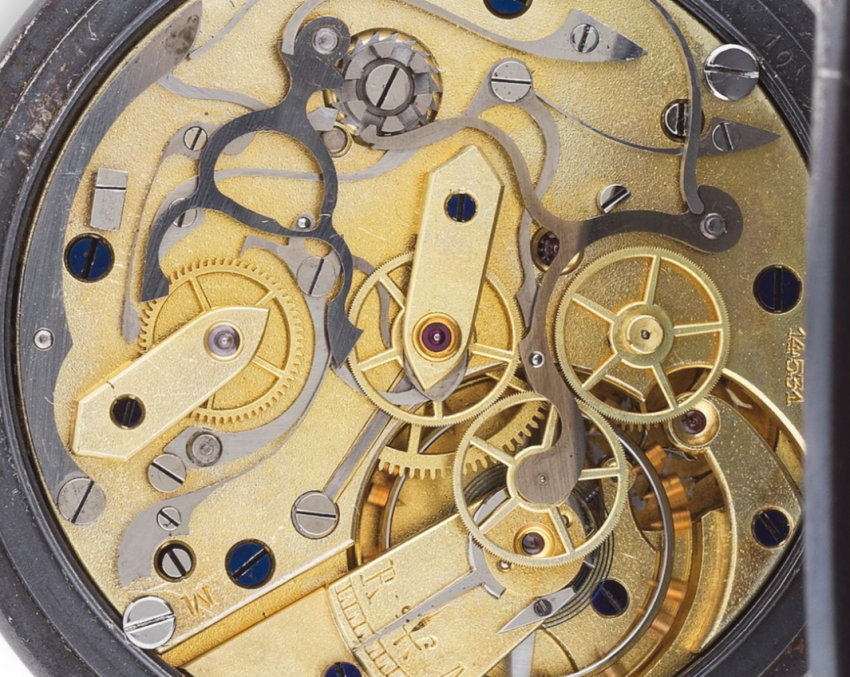
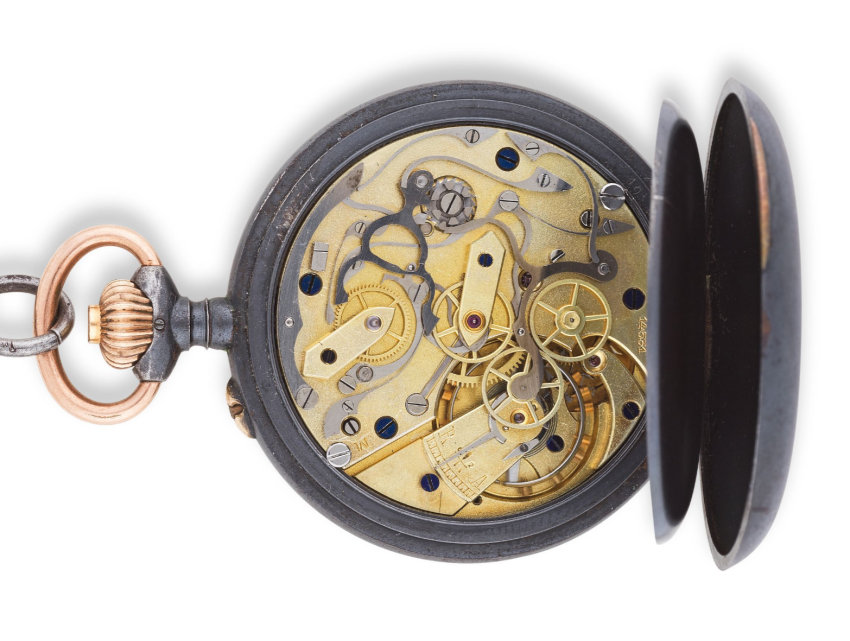
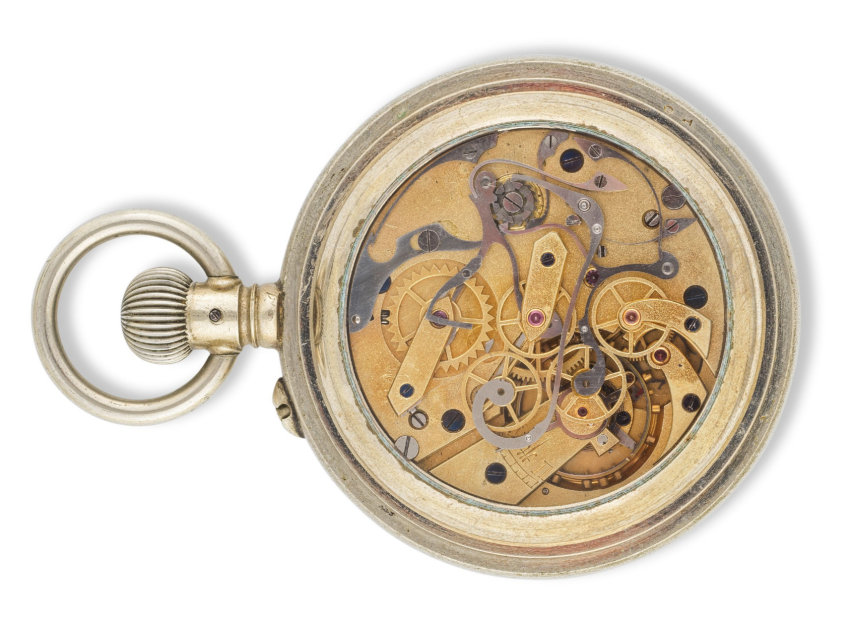
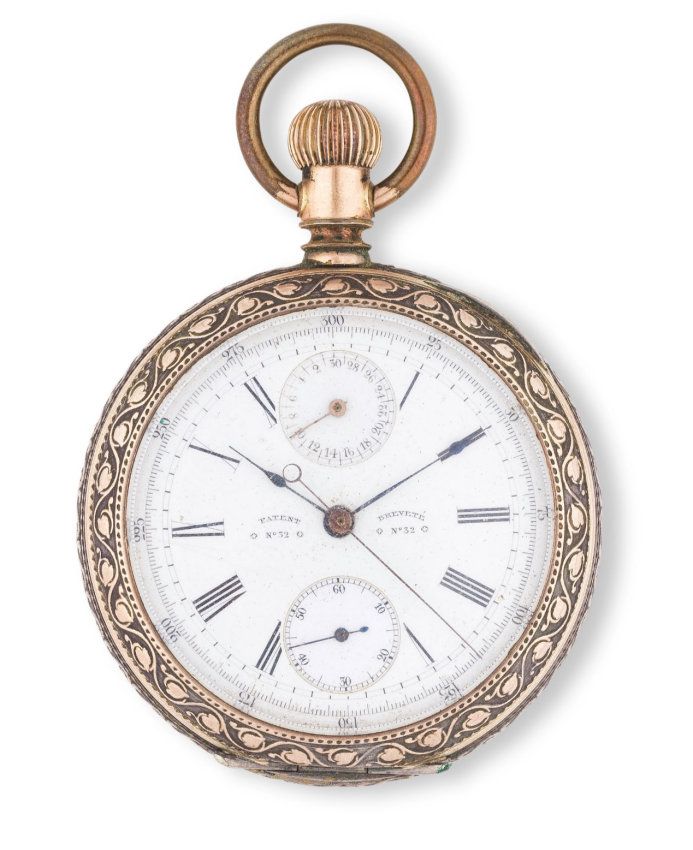
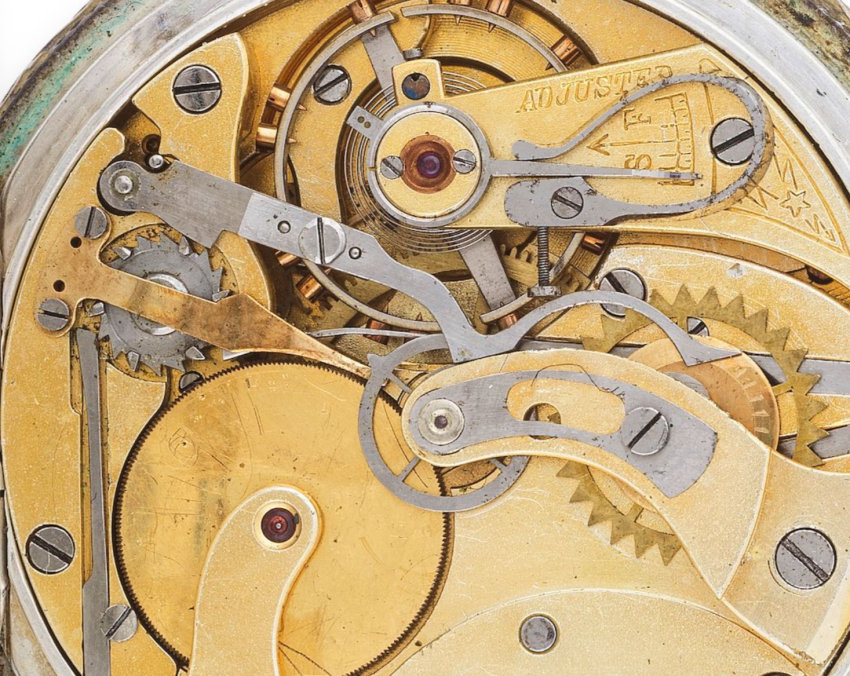
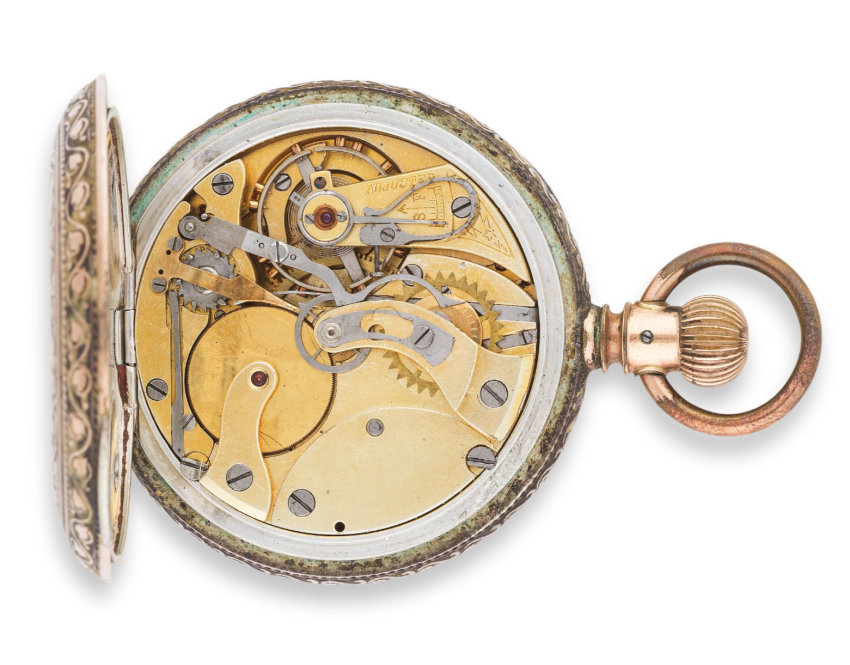
The movement of this chronograph, with its attractive nielloed case, was made by Henri-Onésime Stauffer of Les Ponts-de-Martel, near Le Locle. The patent (CH 542) dates from 1889. Note the extremely fine teeth on the chronograph wheels, which allow for a more precise start to the timing.

- Lot 63 and 89

These are two examples of the many variations of Stauffer-Nicolet chronographs from La Chaux-de-Fonds.

- Lot 64

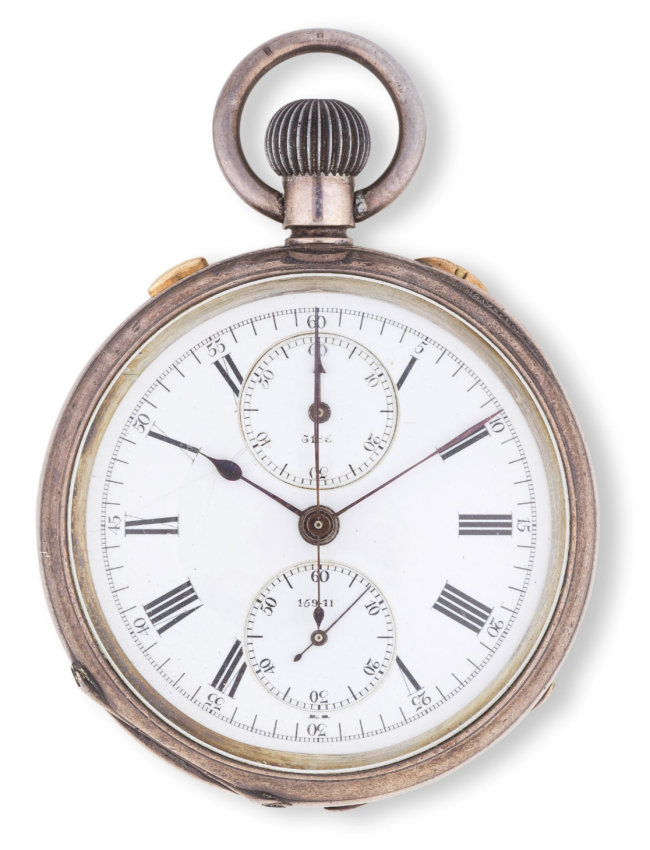
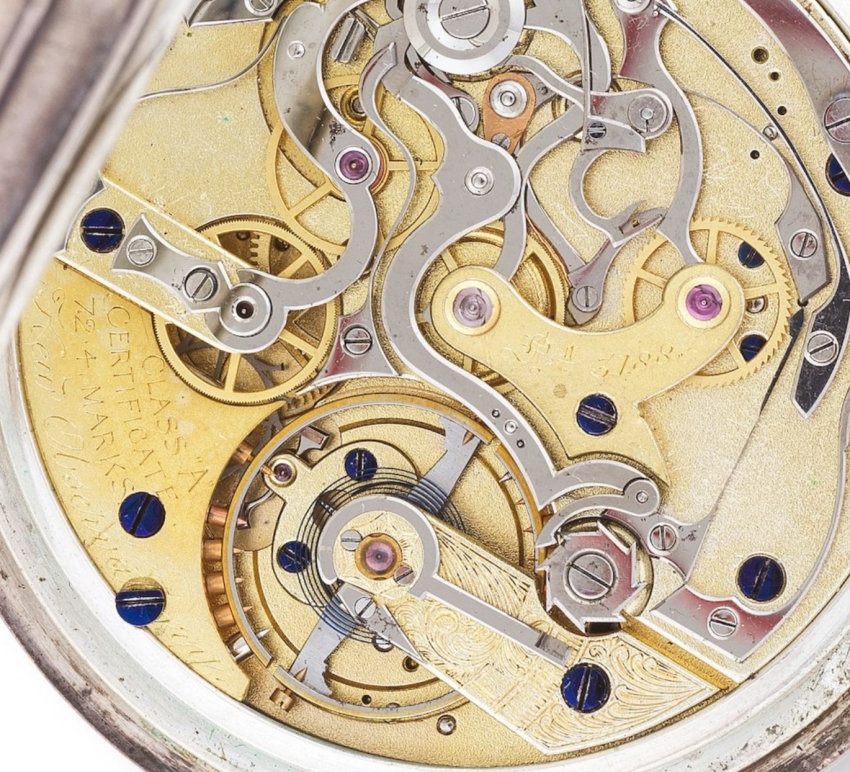
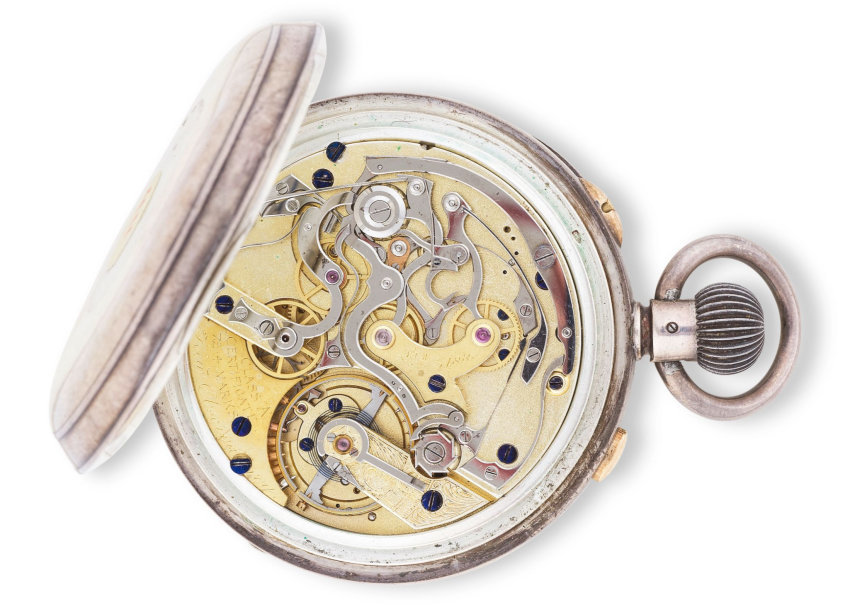
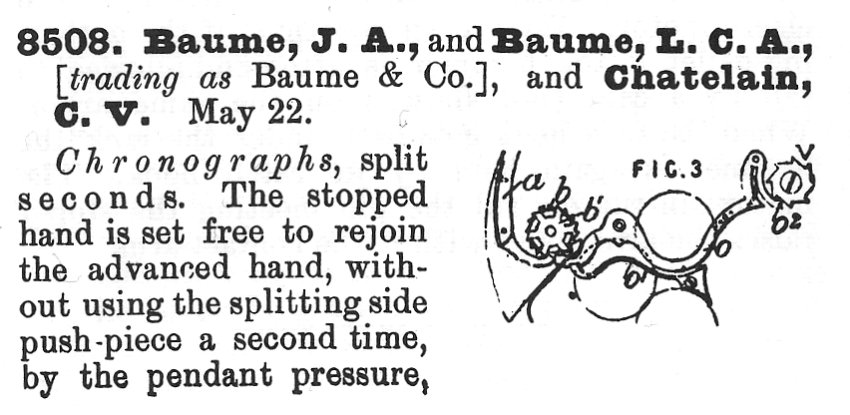
This beautiful split-seconds chronograph holds a Class A chronometer certificate from the Kew Observatory, having scored 72.4 out of 100—a respectable result, though still quite a ways behind the record set by Stauffer-Nicolet, who achieved 91.6 in 1891, also with a split-seconds chronograph.

The beautiful movement is based on a LeCoultre & Cie design, but the split-seconds mechanism was developed by Baume & Co. in London, which patented it in 1889; this watch can therefore be attributed to them.

- Lot 67

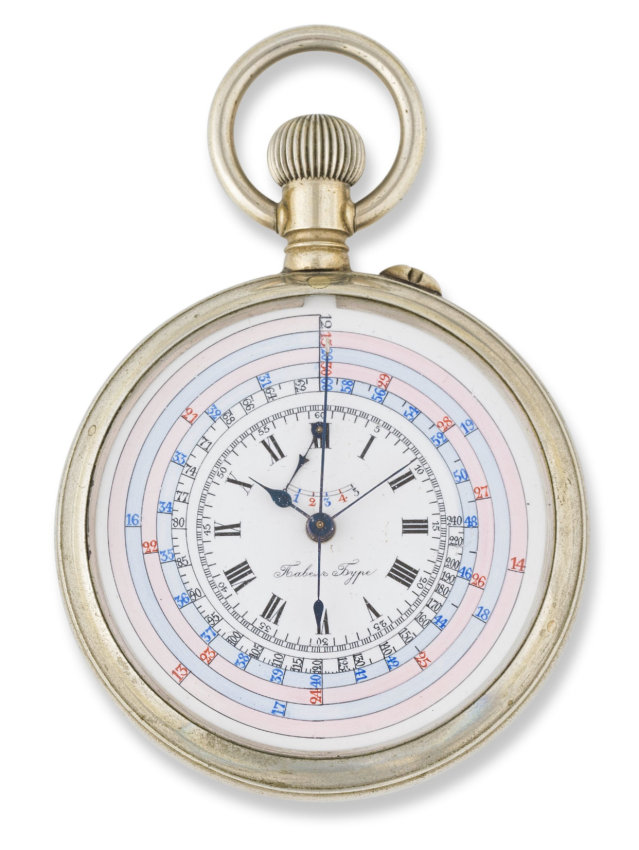
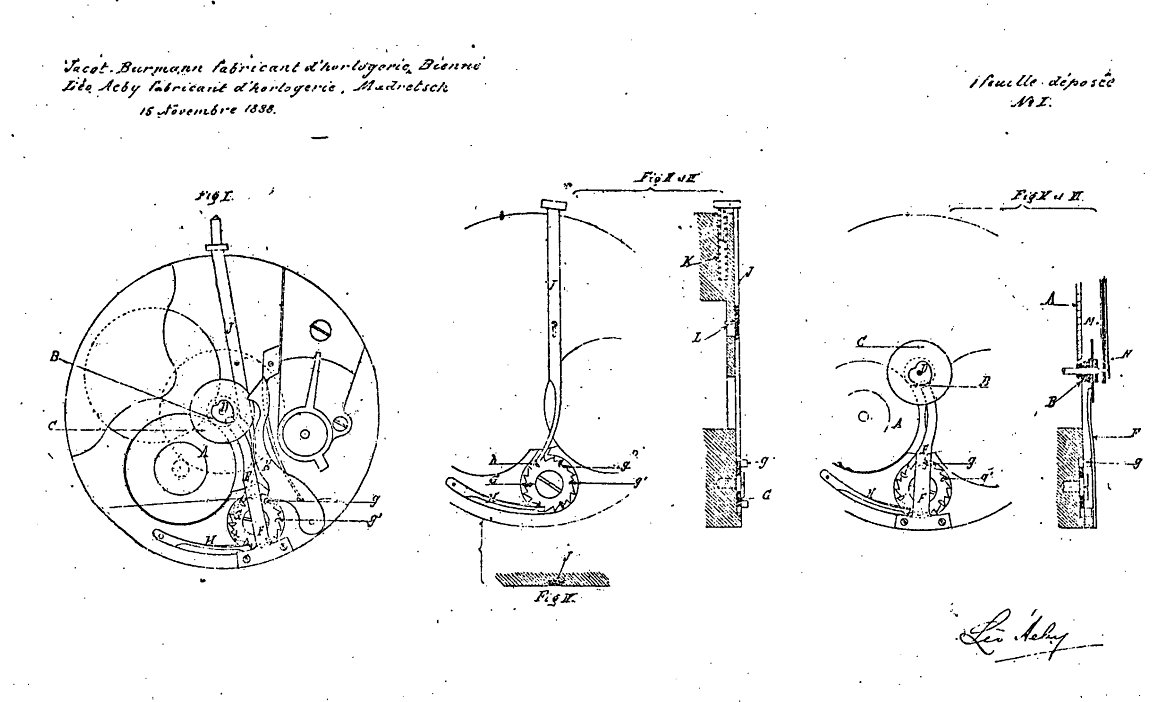
This unusual movement was patented by Henri Jacot-Burman and Léo Aeby in Biel in 1888. Henri Jacot-Burman subsequently refined this movement, resulting in several different versions.

To be continued…

Product added to wishlist

Nous utilisons des cookies afin de fournir une expérience utilisateur conviviale. En naviguant sur ce site, vous acceptez la politique d'utilisation des cookies.