Electa pocket chronographs and the legacy of Henry Alfred Lugrin

Electa pocket chronographs and the legacy of Henry Alfred Lugrin

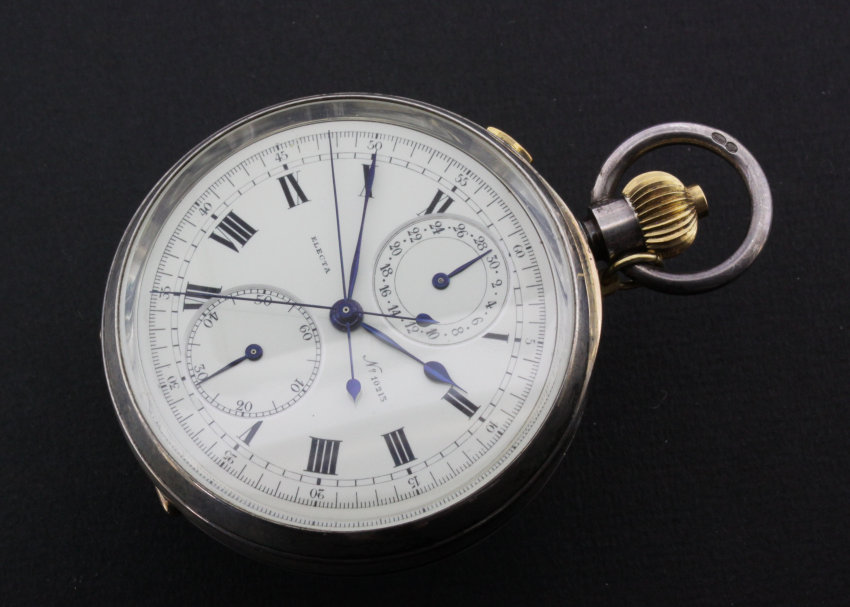
Electa

The history of Electa pocket chronographs began in the United States, continued in Geneva, and ended in La Chaux-de-Fonds. It was a rather unusual journey of technology transfer, but Swiss watchmakers were involved in every stage of the process.
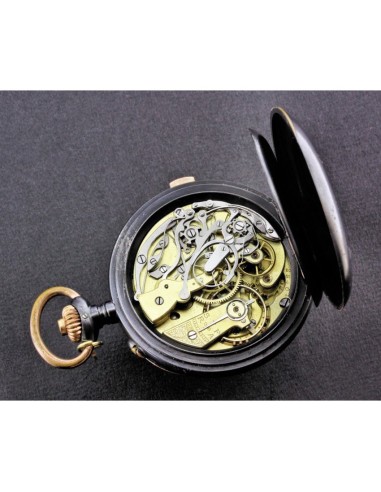
Description

Joël Pynson

December 2025

1. From Massachusetts to Geneva

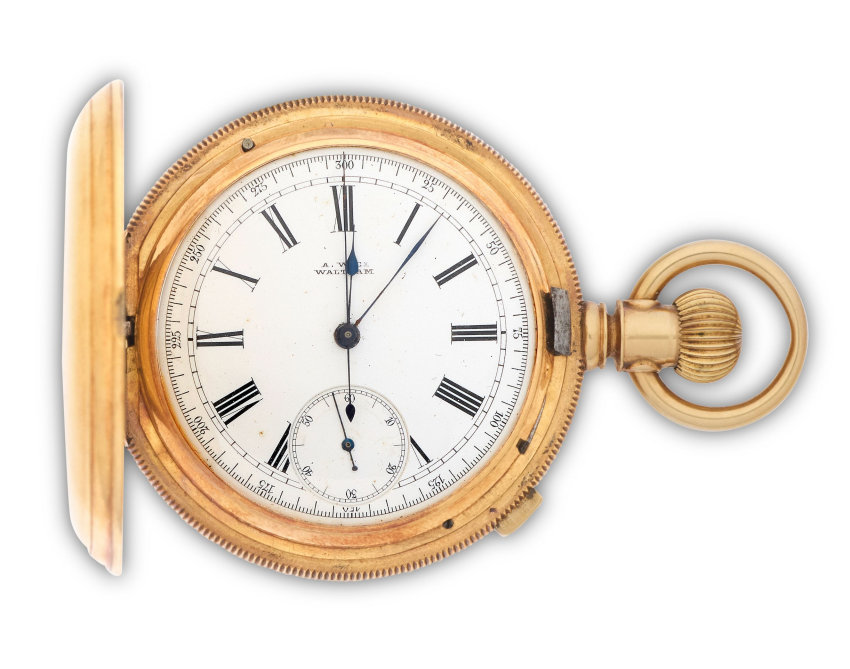
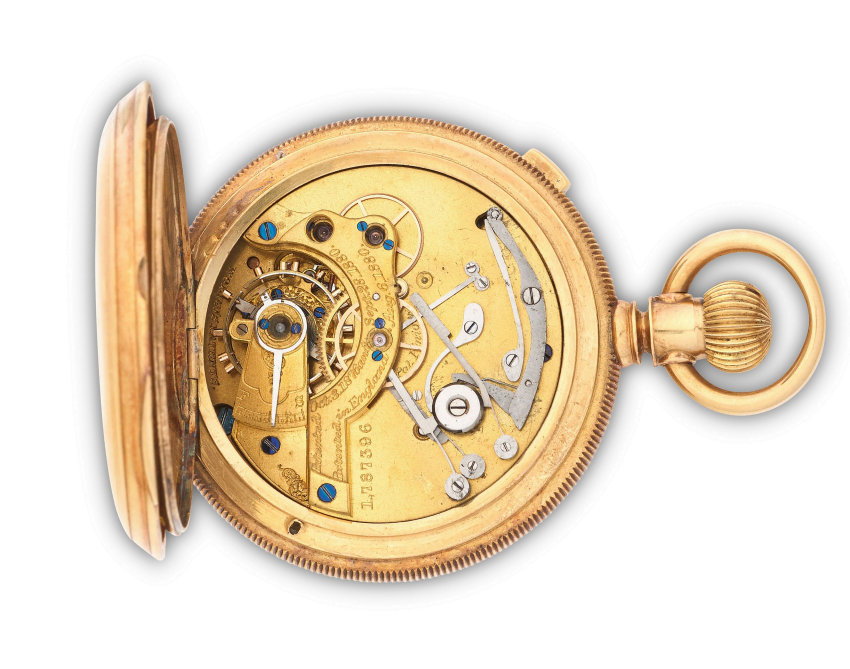
When the famous American Waltham Watch Co., one of the world's largest watch manufacturers at the end of the 19th century, decided to produce complicated watches, which had until then been the preserve of the Swiss, it called on Henry Alfred Lugrin, from the same family as Alfred Lugrin, founder of Lémania, and Prosper Nordmann. Lugrin had filed numerous patents [1] in the United States for chronograph calibers that could be mass-produced, and Nordmann organized their production in 1876.

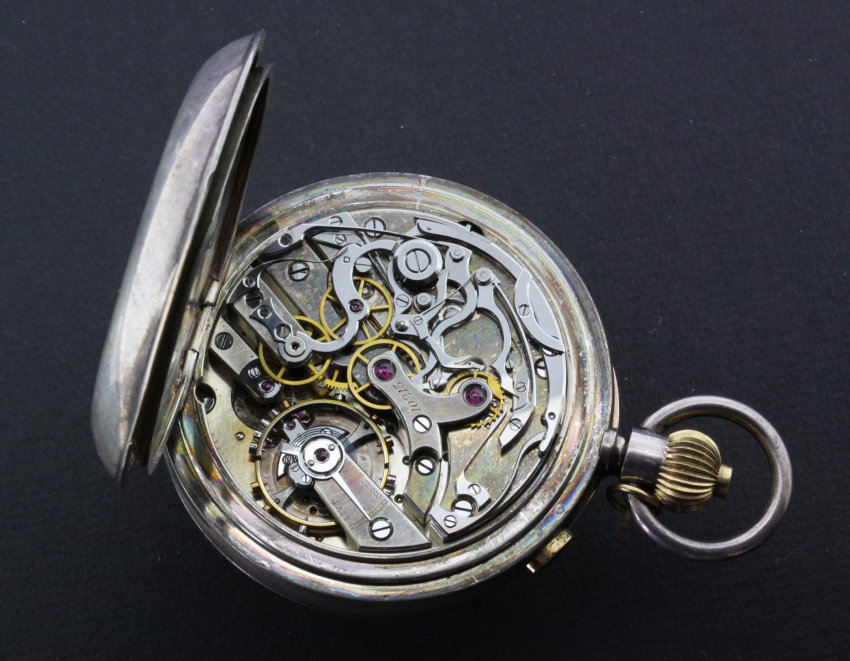
There are several versions of the Lugrin/Waltham calibers, with or without a split-seconds function.

Credit : Bonhams.com

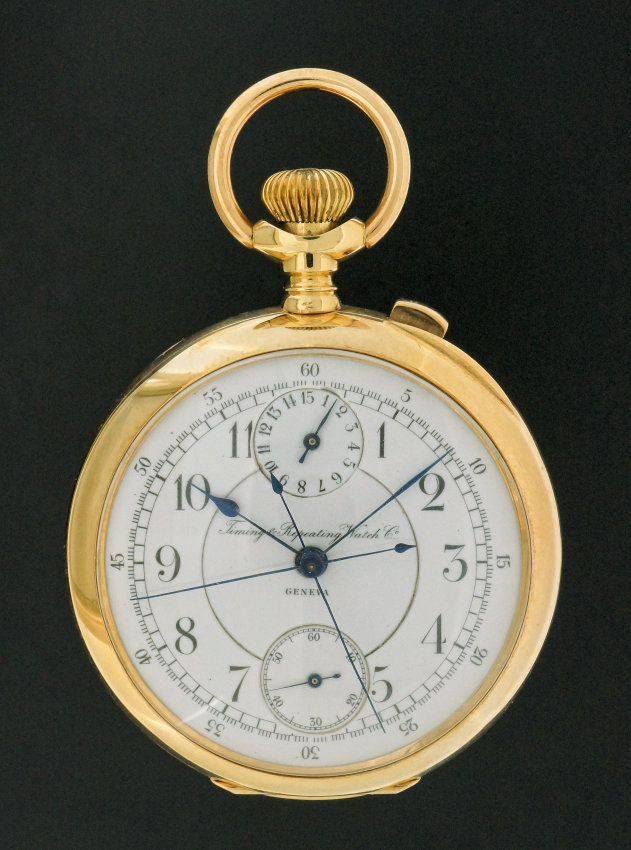
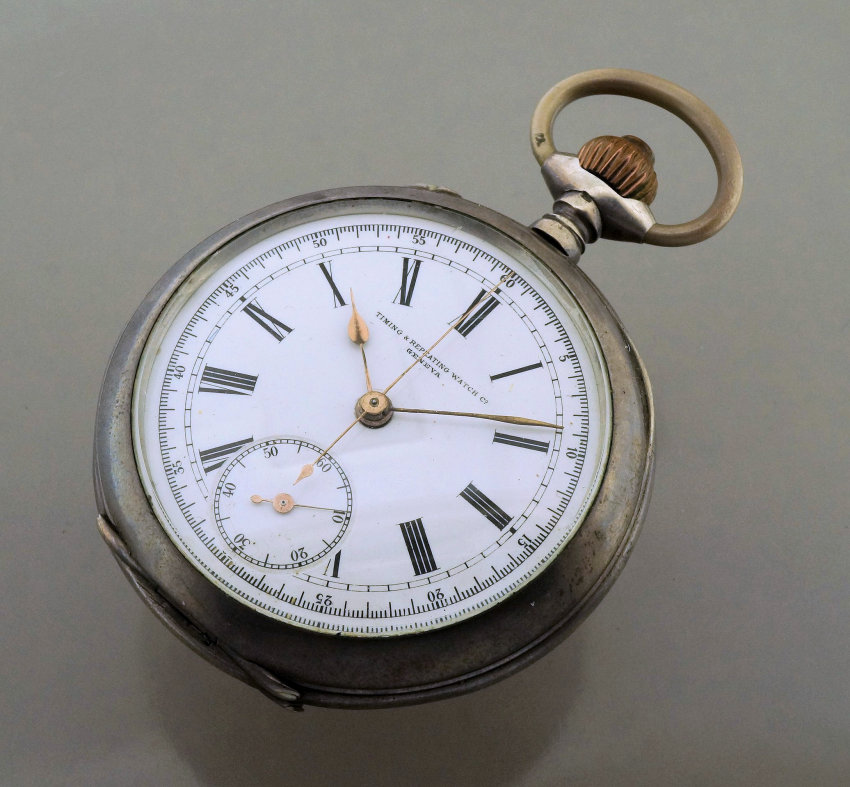
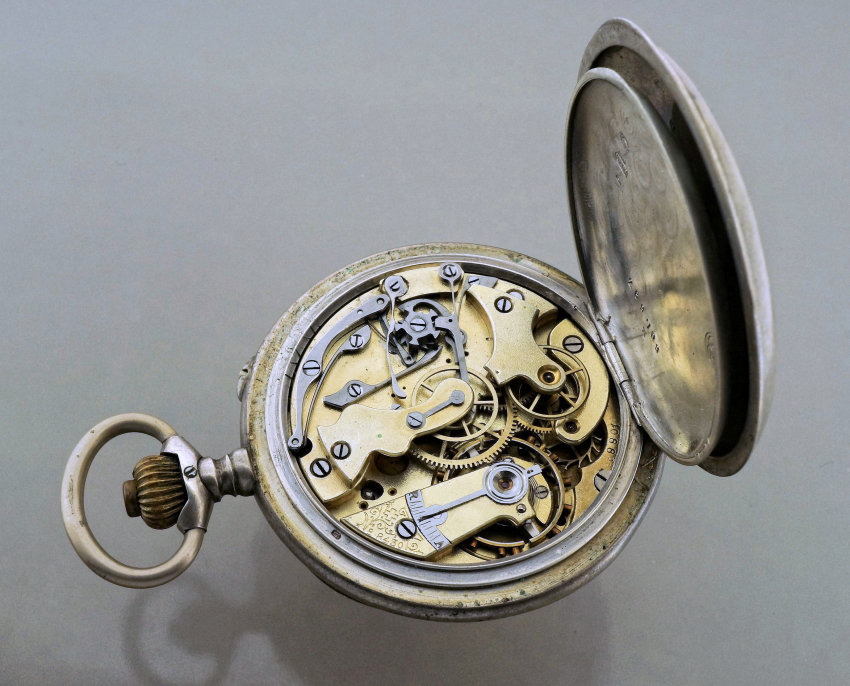
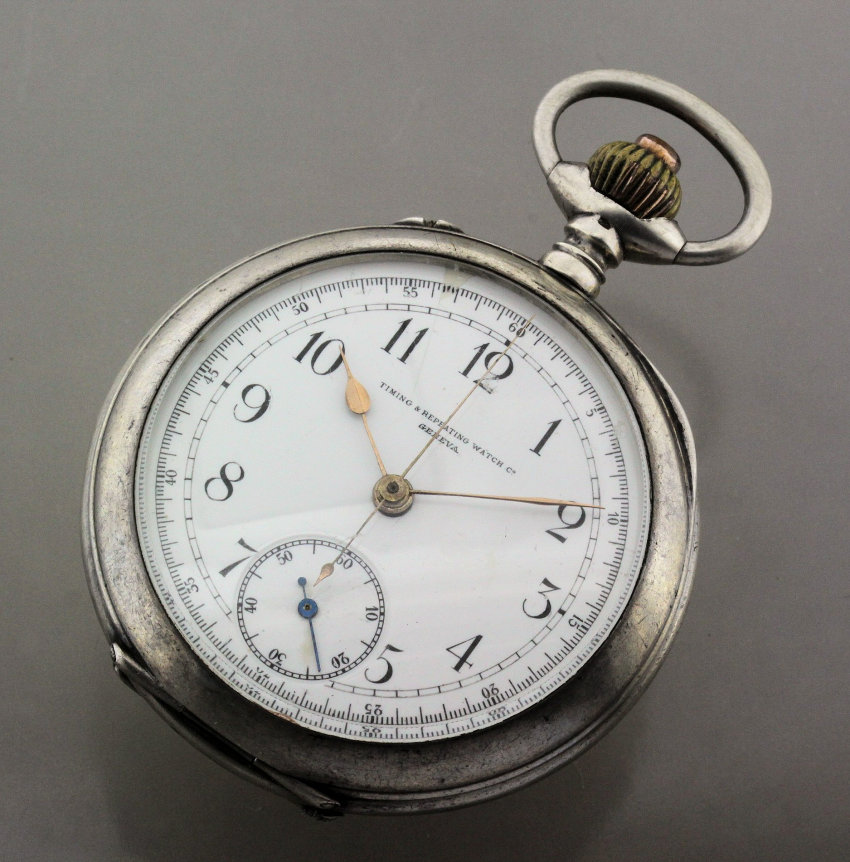
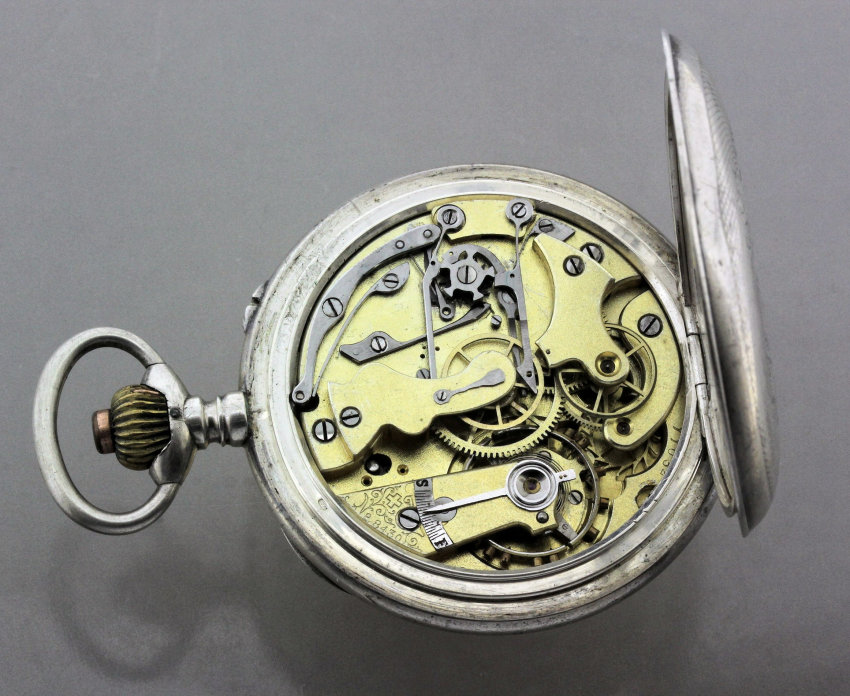
Perhaps because these chronographs did not enjoy the expected success in the United States, Prosper Nordmann transferred their manufacture to Geneva. To this end, he founded the Prosper Nordmann company in Geneva in 1890, followed by the Timing and Repeating Watch Co. the following year.

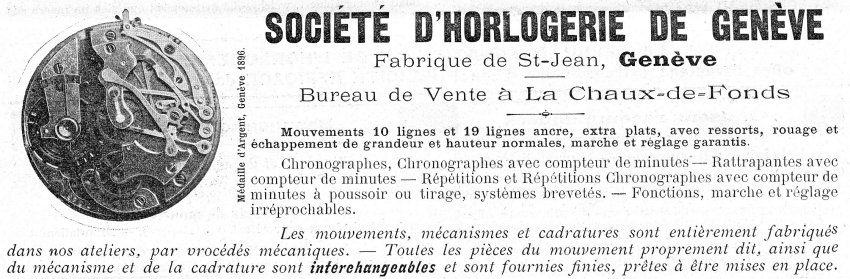
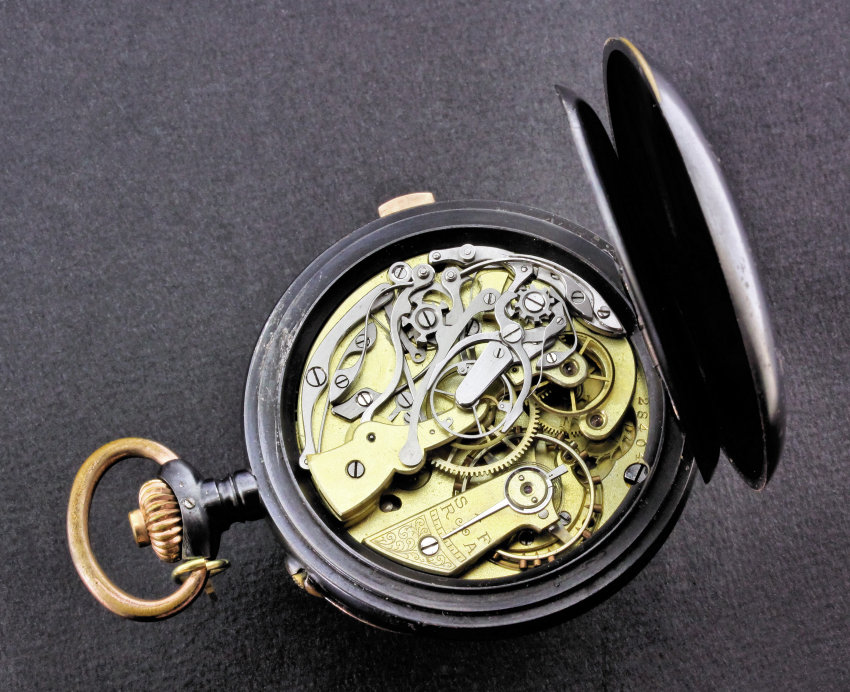
The watches were manufactured in Geneva at the Fabrique de St Jean, which employed around 50 people in 1896. The first chronograph calibers produced by the Timing and Repeating Watch Co. were very similar to Waltham calibers, but they were gradually improved, thanks in particular to the collaboration between Prosper Nordmann and Charles Morlet [4]. The latter had worked in the United States, and it is possible that he had already collaborated with Nordmann.

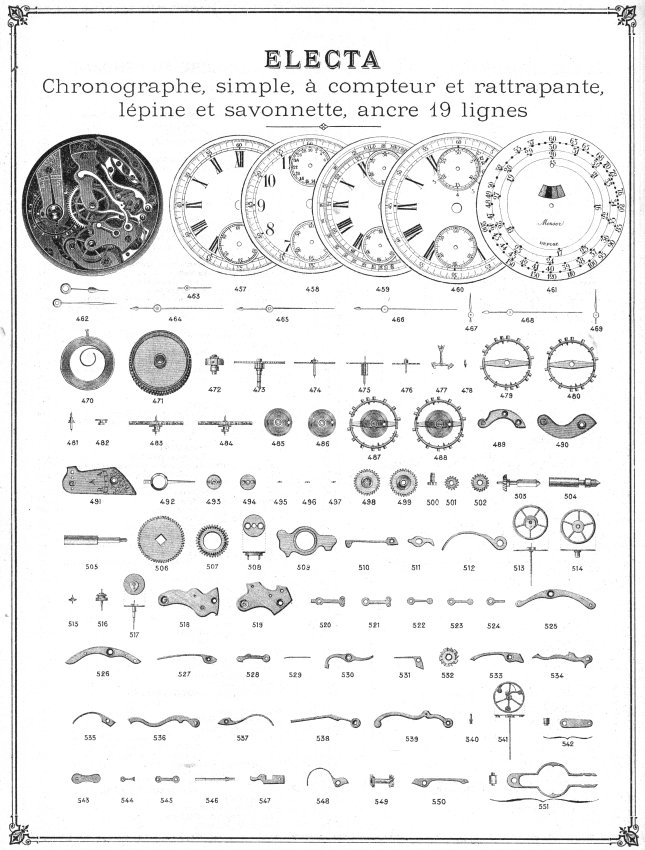
In 1900, the Société d’Horlogerie de Genève registered the Electa trademark, and the company underwent a major overhaul: a sales office was opened in La Chaux-de-Fonds, and, most significantly, Prosper Nordmann stepped down from his position and was replaced by Jules Grumbach, a manufacturer from La Chaux-de-Fonds. [5].

1900

Finally, the company moved to La Chaux-de-Fonds in 1902, under the name Société d’horlogerie Electa [6].

2. Electa in La Chaux-de-Fonds

All the machines from the Geneva factory were transferred to La Chaux-de-Fonds and installed in large buildings, part of which had already been used for assembling the movements produced in Geneva [7].

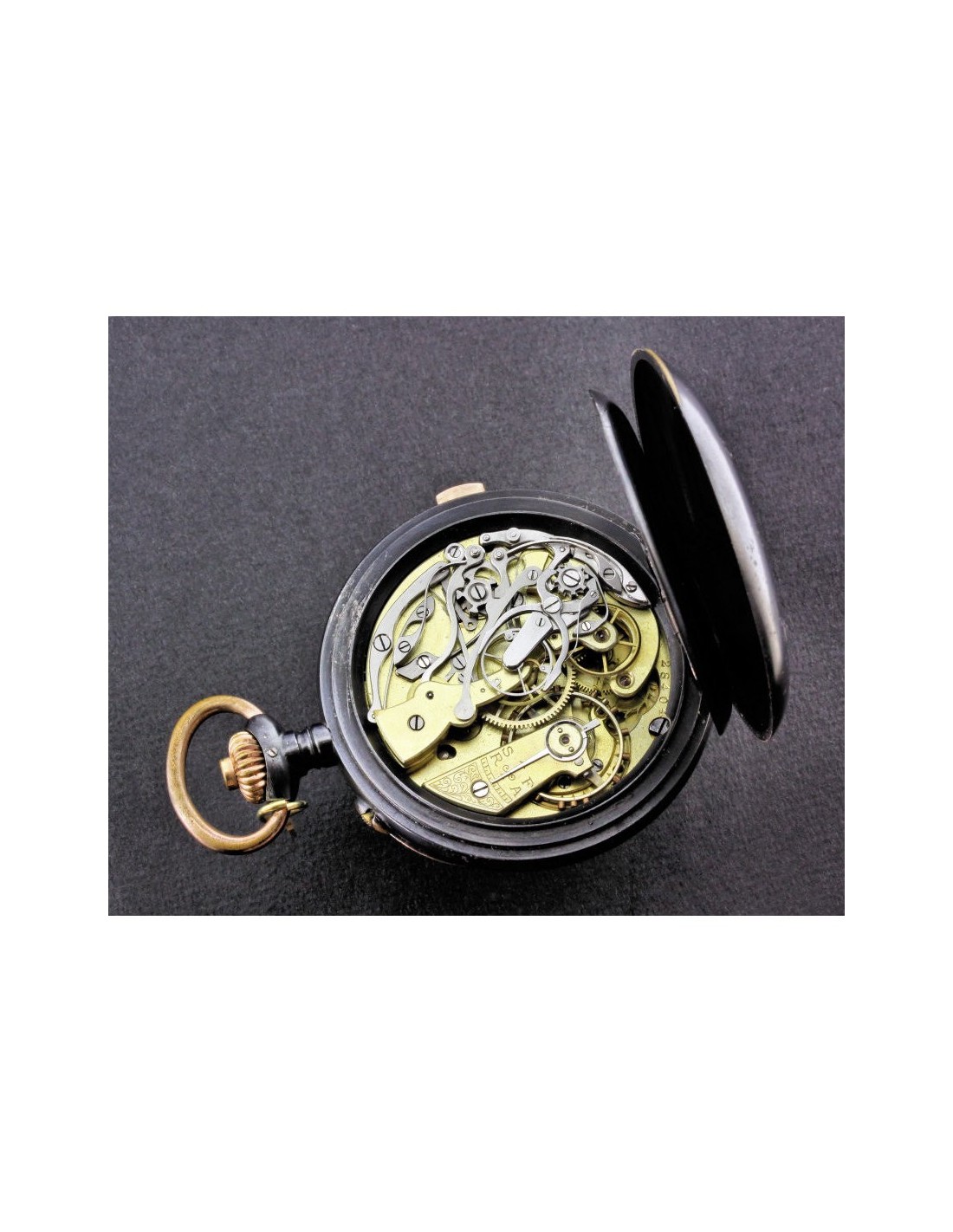
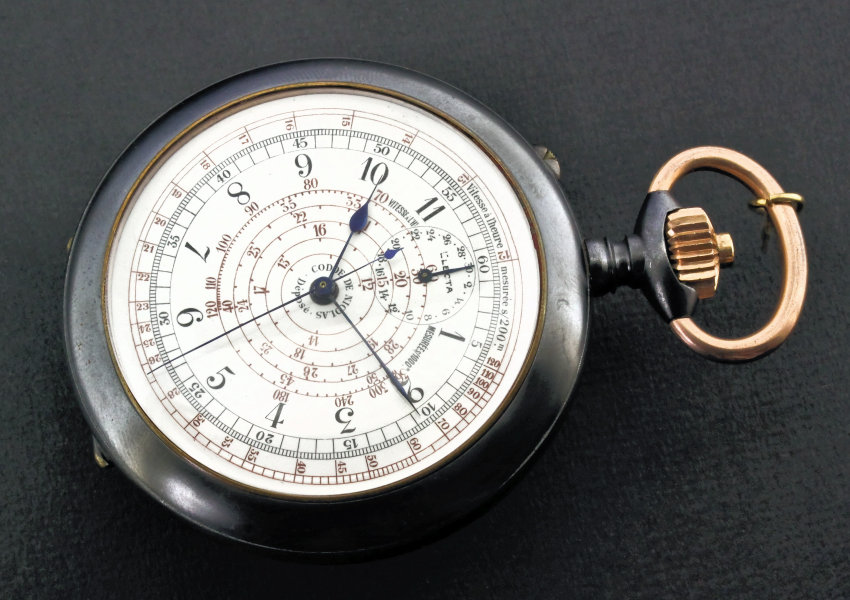
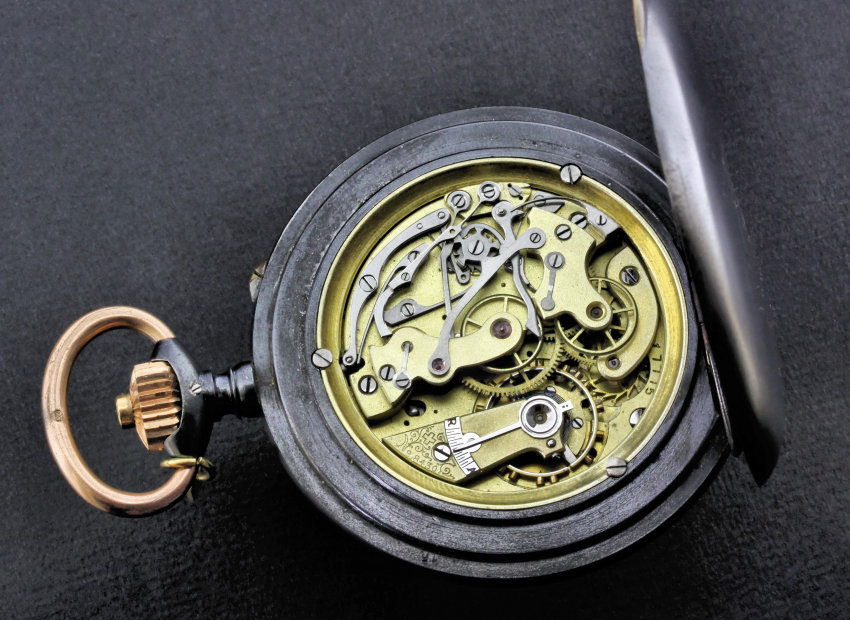
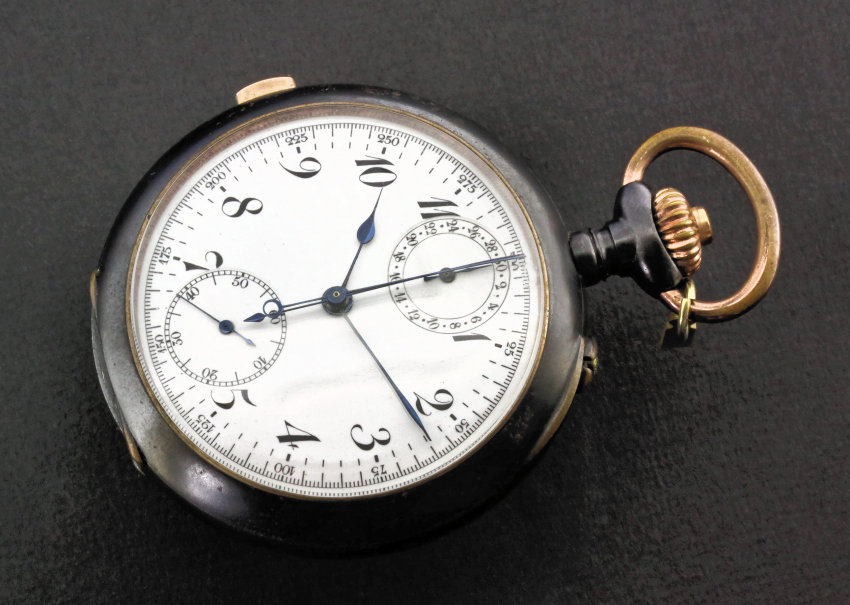
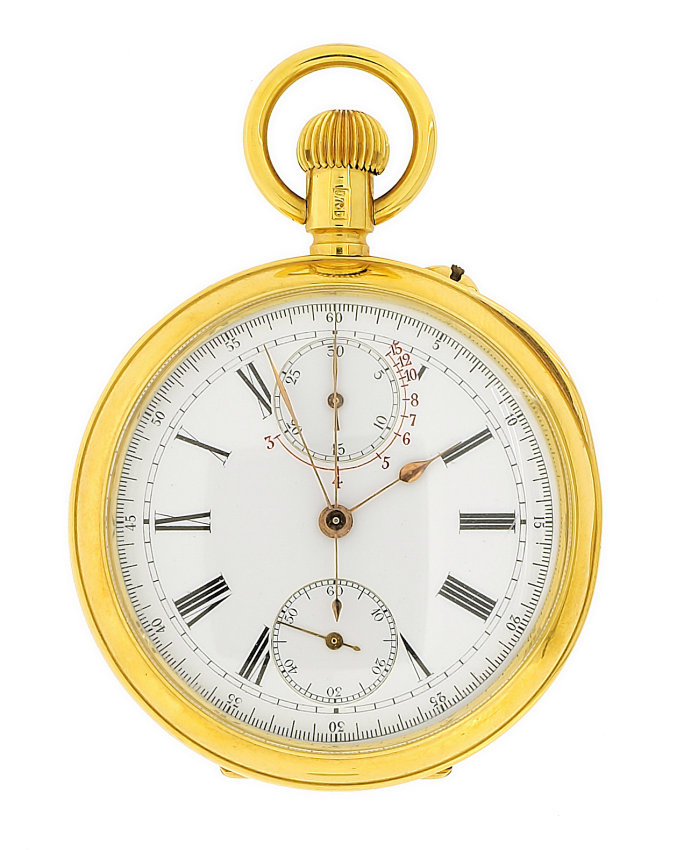
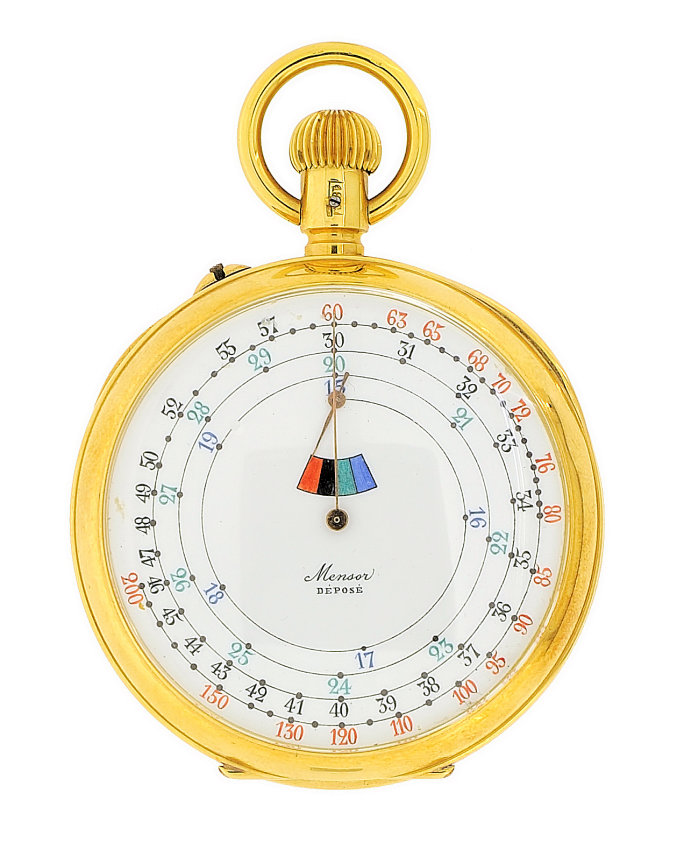
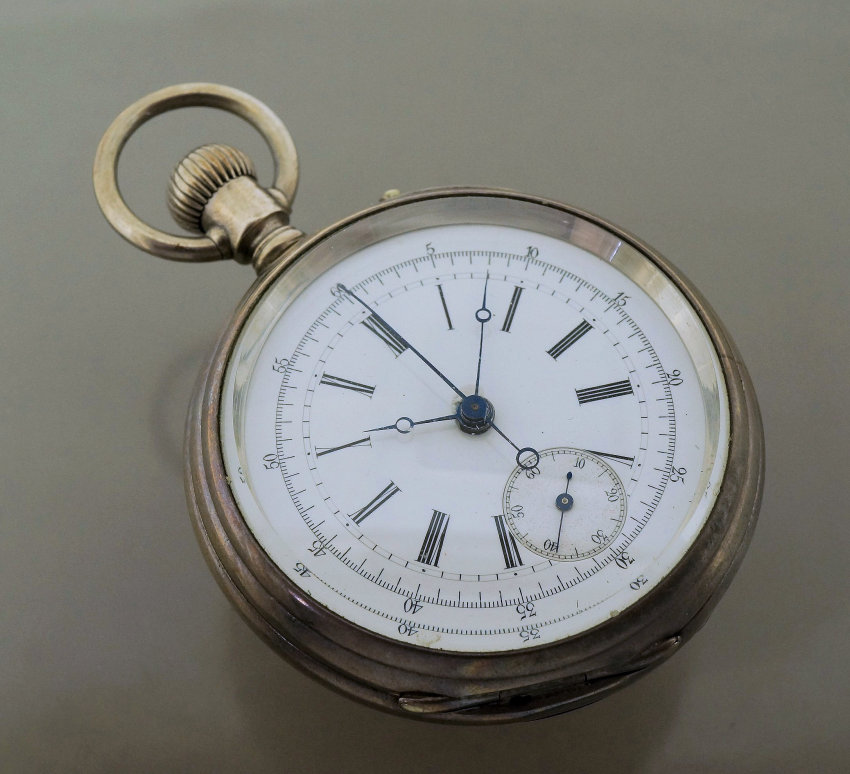
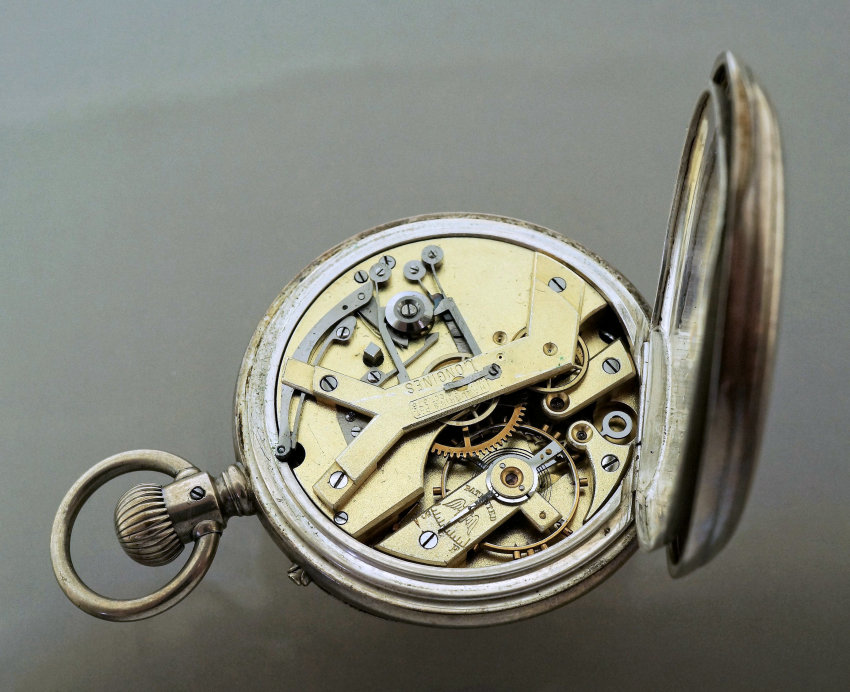
To streamline production, only a small number of calibers were produced, with an upward shift in quality, as demonstrated by the manufacture of the Mensor double-sided chronograph, patented by Ch. Amez-Droz & Co. in Geneva and manufactured by Electa in La Chaux-de-Fonds [8]. Electa chronographs, with or without split-seconds, were slightly different from those of Timing & Repeating, always with a view to improvement.

In 1907, perhaps due to financial difficulties, the Société d’Horlogerie Electa was taken over by Gallet & Co., which then became Gallet & Co., Fabrique d’horlogerie Electa [9].

It should be noted that Electa chronographs could then use calibers from other chronograph caliber manufacturers, such as LeCoultre or Ulysse Nardin.

3. Another contribution by Henry Alfred Lugrin to Swiss watchmaking

In 1947, the Longines factory published a book on the history of the manufacture. Here is what it says [10]:

"(Longines) ventured into the construction of a chronograph in 1879, based on data provided by H. A. Lugrin, an inventor from Vaud delegated by Robert. Asking the machine to produce such a complicated and novel measuring instrument was a real challenge. The victory came at a high price."

J. Eugène Robert was head of the Longines agency in New York, and it was on his advice that Lugrin's patents were used to develop the first Longines pocket chronograph.

The movement also bears Lugrin's patent inscription.

Thus, from the United States, Henry Alfred Lugrin enabled the creation of original chronographs in four different factories!

See also Electa and Gallet.


[1] For example, US 176,231 and US 182,836.

[2] FOSC 1890

[3] FOSC 1891

[4] For example, patent CH 7334

[5] FOSC 1901

[6] FOSC 1902

[7] Revue Internationale de l’Horlogerie, 1902, 11, pp. 562-564

[8] Revue Internationale de l’Horlogerie, 1902, 11, p. 567

[9] FOSC 1907

[10] André Francillon, Histoire de la Fabrique des Longines, published by Longines, 1947, p. 96

Notes:

About Time To Tell: Time To Tell has one of the largest private digitized databases on the history of Swiss watchmaking, with over 2.5 TB of data on more than 1,000 Swiss watch manufacturers. This database has been built up over a period of around 30 years and continues to be updated with around 50 to 100 GB of data each year. The database consists of old documents, mainly Swiss trade journals, dating from the late 19th century to the late 20th century. Most of these documents are not available on the Internet. The historical articles published on the time2tell.com website always cite the sources used.

Time To Tell is a private company, independent of any watch manufacturer.

©Time To Tell, 2025

Reproduction prohibited without permission.

Any use of this article by artificial intelligence is strictly prohibited and will be considered a violation of copyright.

Product Details

Product added to wishlist

Nous utilisons des cookies afin de fournir une expérience utilisateur conviviale. En naviguant sur ce site, vous acceptez la politique d'utilisation des cookies.