The true story of Fabrique Le Phare

The true story of Fabrique Le Phare

Le Phare

In the early 20th century, Fabrique Le Phare was the world's largest producer of repeating pocket watches, and its calibers were used by many other manufacturers. The transition to the wristwatch was difficult, but the company later distinguished itself by creating the first automatic quartz watch.

Description

Joël Pynson

April 2025

1. From Guye & Barbezat to Fabrique Le Phare

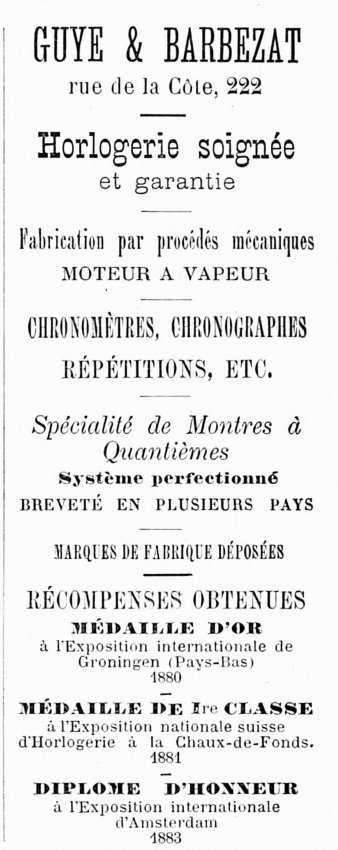
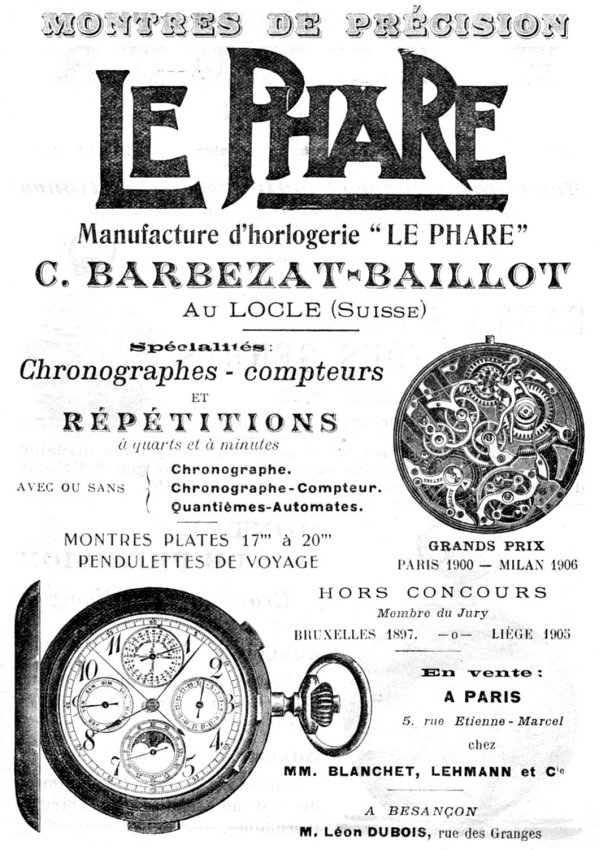
Henri Guye and Charles Barbezat joined forces in Le Locle in 1867 to form the company Guye & Barbezat [1]. The company specialized in beautiful, complicated watches, using ébauches from the Vallée de Joux.

Henri Guye died in 1877, and Charles Barbezat remained sole head of the company.

The quality of the watches is recognized, and the factory wins numerous awards at major international exhibitions, as well as precision prizes at the Neuchâtel Observatory.

1886

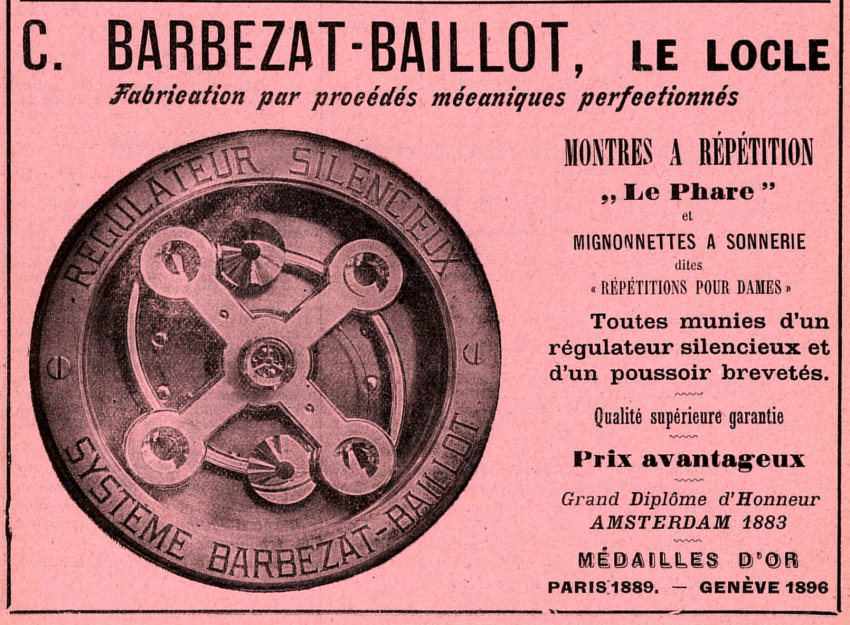
In 1888, the company's name was changed to C. Barbezat-Baillot [2].

Charles Barbezat was an exceptional watchmaker who set himself a goal: to democratize repeater watches. To achieve this, he methodically removed one by one the obstacles to mass production of this type of watch [3]. A steam engine provided the necessary energy, and the manufacture of parts gradually became mechanized. Manufacturing was rationalized: a small number of basic calibers, with different levels of finishing, to which the desired complications could be added.

Mass production required high-precision machining to avoid having to rework manufactured parts. The company therefore developed its own machines, thanks to a young engineer, Alfred Perrenoud, whose quality was such that it led to the creation of a machine-tool branch called Dixi, which was also highly successful.

1913

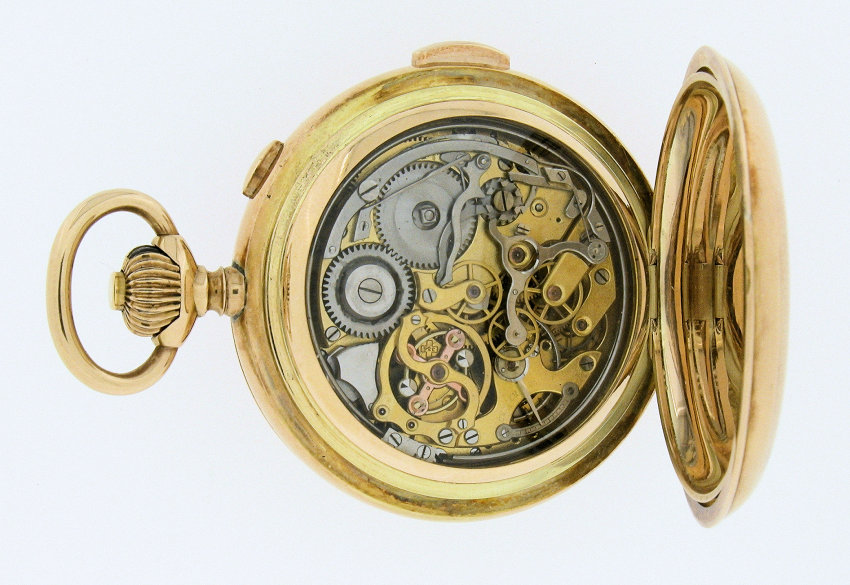
Charles Barbezat not only mass-produced repeater watches. He also improved them [4]. It simplified the mechanism and eliminated one of the drawbacks of traditional systems: regulator noise. The regulator rotates at high speed when the repeater system is engaged, and the noise generated is a nuisance when hearing the bells. In 1889, Charles Barbezat patented a silent regulator driven by centrifugal force, the shape of which makes a Le Phare caliber immediately recognizable today [5].

1899

To make repeater watches even easier to use, Charles Barbezat also patented a pusher that can be operated with one hand, instead of the traditional "latch" sliding down the side of the caseband, which requires both hands to operate [6].

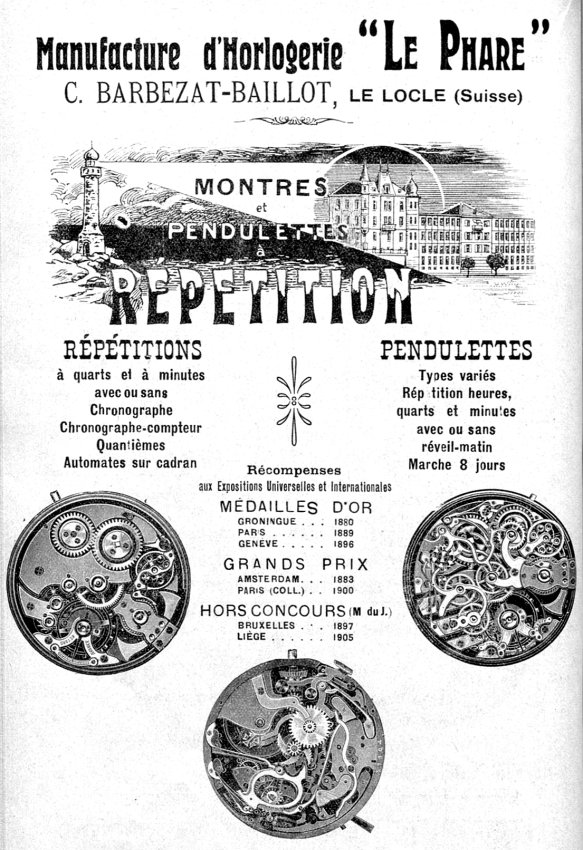
The success of Charles Barbezat's watches was phenomenal, all the more so as the number of possible combinations was impressive: quarter repeater, 5-minute, minute, chronograph, calendar, moon phases, automata, and more.

The Le Phare trademark was registered in 1897, and in 1905 the company became Manufacture d'horlogerie Le Phare, C. Barbezat-Baillot [7].

1906

1911

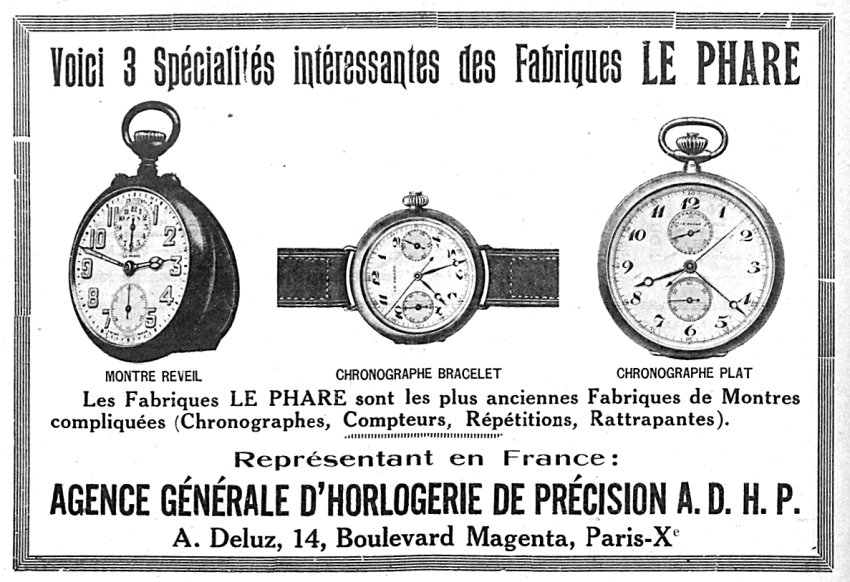
But serious difficulties were to follow with the outbreak of the First World War in 1914. On the one hand, there was a decline in demand for repeater watches, partly due to the adoption of luminescent materials that made it possible to tell the time at night. On the other hand, the company did not produce wristwatches, which were increasingly in demand.

In 1914, Charles Barbezat-Baillot sold his company, which became Fabriques le Phare. Gustave Stolz, one of the watchmakers behind the Fabrique Angélus, became the company's director [8].

2. Fabriques Le Phare

During the war, the factory produced arms and munitions, and went heavily into debt. The crisis that hit the Swiss watchmaking industry after the war worsened the situation.

Local industrialists tried to save the company, in particular Gustave's brother Albert Stolz, who joined the business in 1922 [8]. The debt was rescheduled, but the company never recovered. In 1927, the Stolz brothers left and were replaced by other industrialists such as Jacques and Alfred Nardin.

In 1928 Louis Hèche became director, but two years later he was called upon to head Breitling following the death of Gaston-Léon Breitling.

1928

The machine tool department separated from the factory and became Machines Dixi SA in 1928 [9].

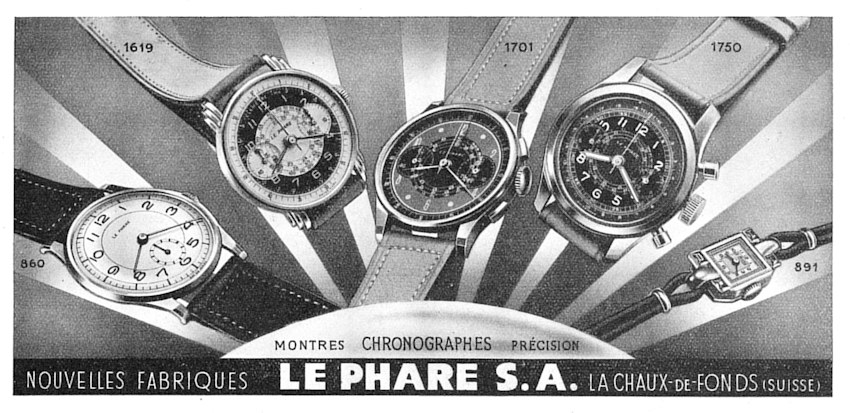
In 1931, Fabriques Le Phare was declared bankrupt [10]. The buildings were sold at auction. But in 1932 a group of industrialists, including Jacques-André Nardin, relaunched the company under the name Nouvelles Fabriques Le Phare SA [11].

3. Nouvelles Fabriques Le Phare

The factory is relaunched, probably with ébauches still in stock, and also sourced from Ébauches SA. The company's situation remained difficult, judging by the numerous changes in the board of directors.

In 1938, the company moved from Le Locle to La Chaux-de-Fonds [12].

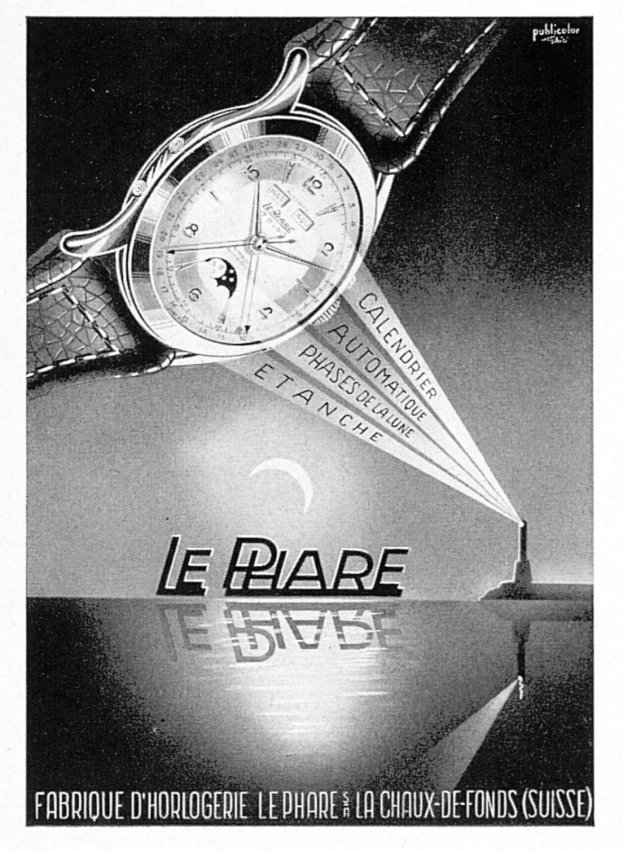
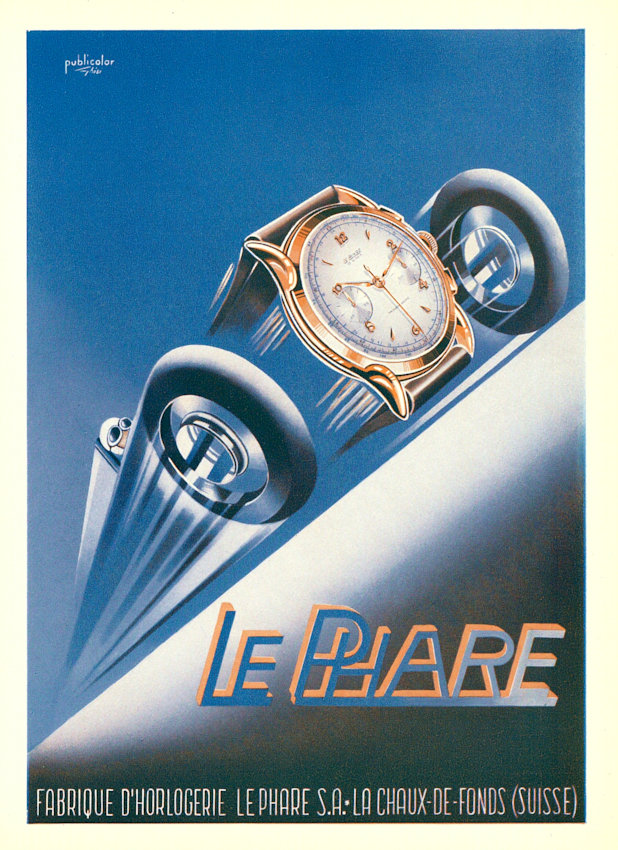
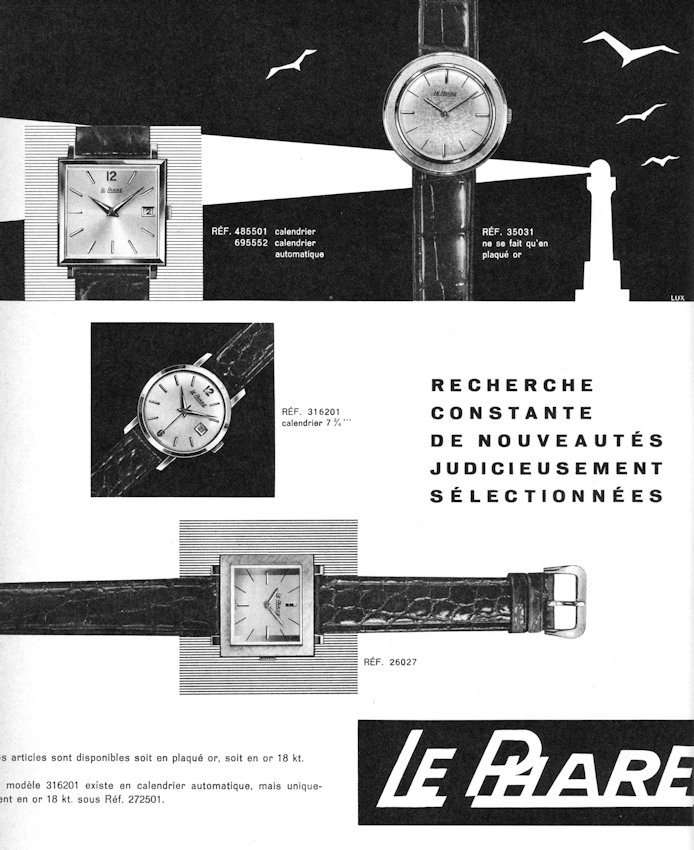
The real change came in 1940, when a La Chaux-de-Fonds industrialist, Gaston-Paul Schwarz, took over management of the factory [13]. Le Phare became a generalist watchmaker with a varied range of watches, in particular beautifully crafted calendar watches and wristwatch chronographs.

1951

1942

1960

The Schwarz family continues to run the company. After Gaston-Paul, it was Henri-Louis in 1944, then Gaston fils in 1950 [14].

In 1956, the company became Le Phare SA [15].

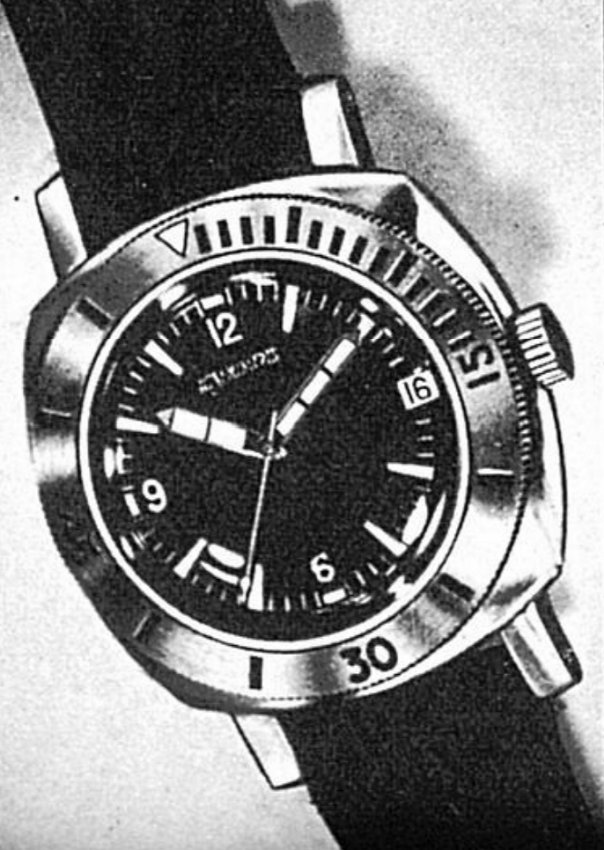
Numerous new models are launched: automatic watches, chronographs, including a regatta chronograph, diving watches, one of which is water-resistant to 1000m and another in solid gold, including a rotating bezel!

1961

In 1973, the company merged with another Schwarz family factory, Compagnie des Montres Sultana, to become Le Phare-Sultana [16].

4. Le Phare, Sultana and Jean d'Eve

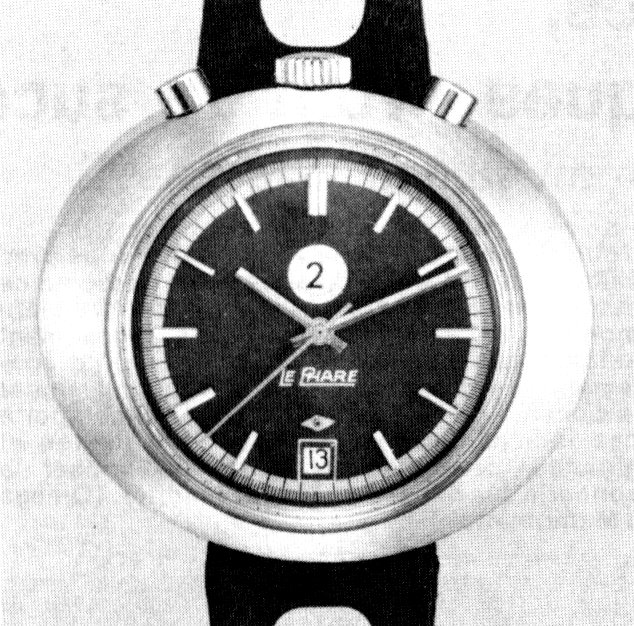
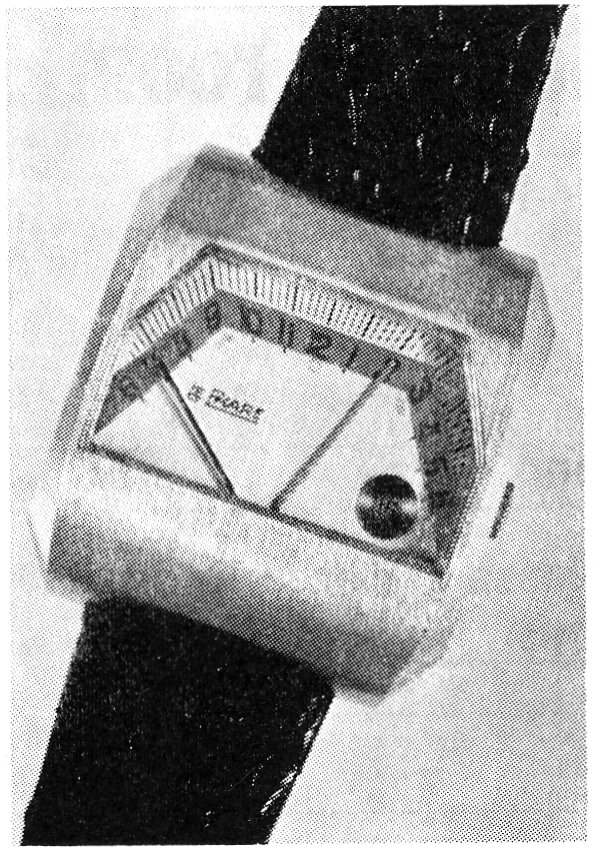
In 1973, Le Phare launched an original watch, the Sectora with retrograde hours and minutes. The caliber, developed by Dubois Dépraz at Le Lieu in the Vallée de Joux, was inspired by the famous Sector watch created by Record Watch in 1905 [17].

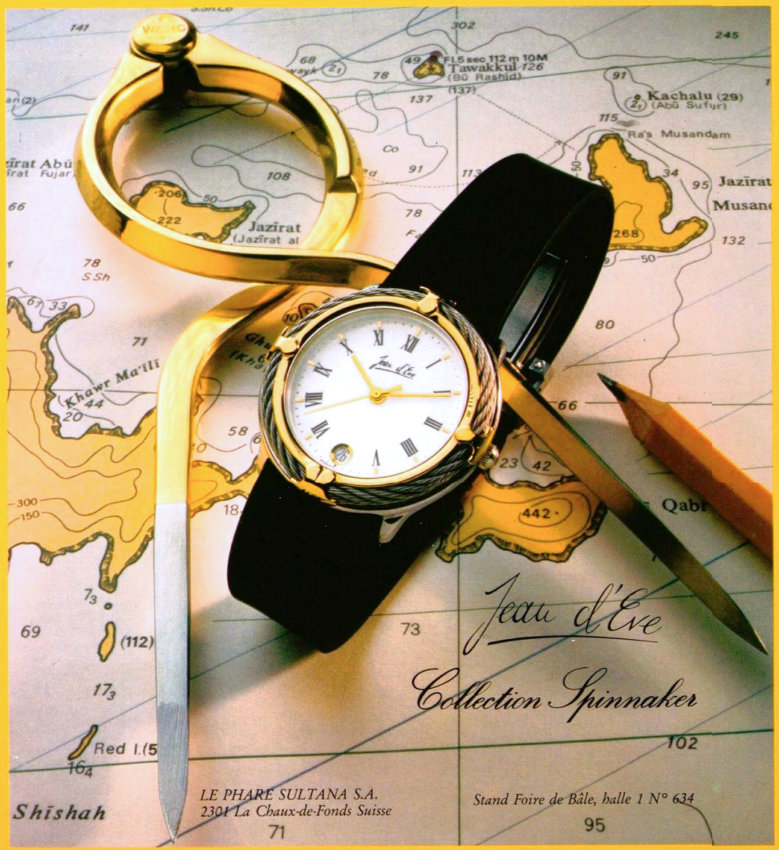
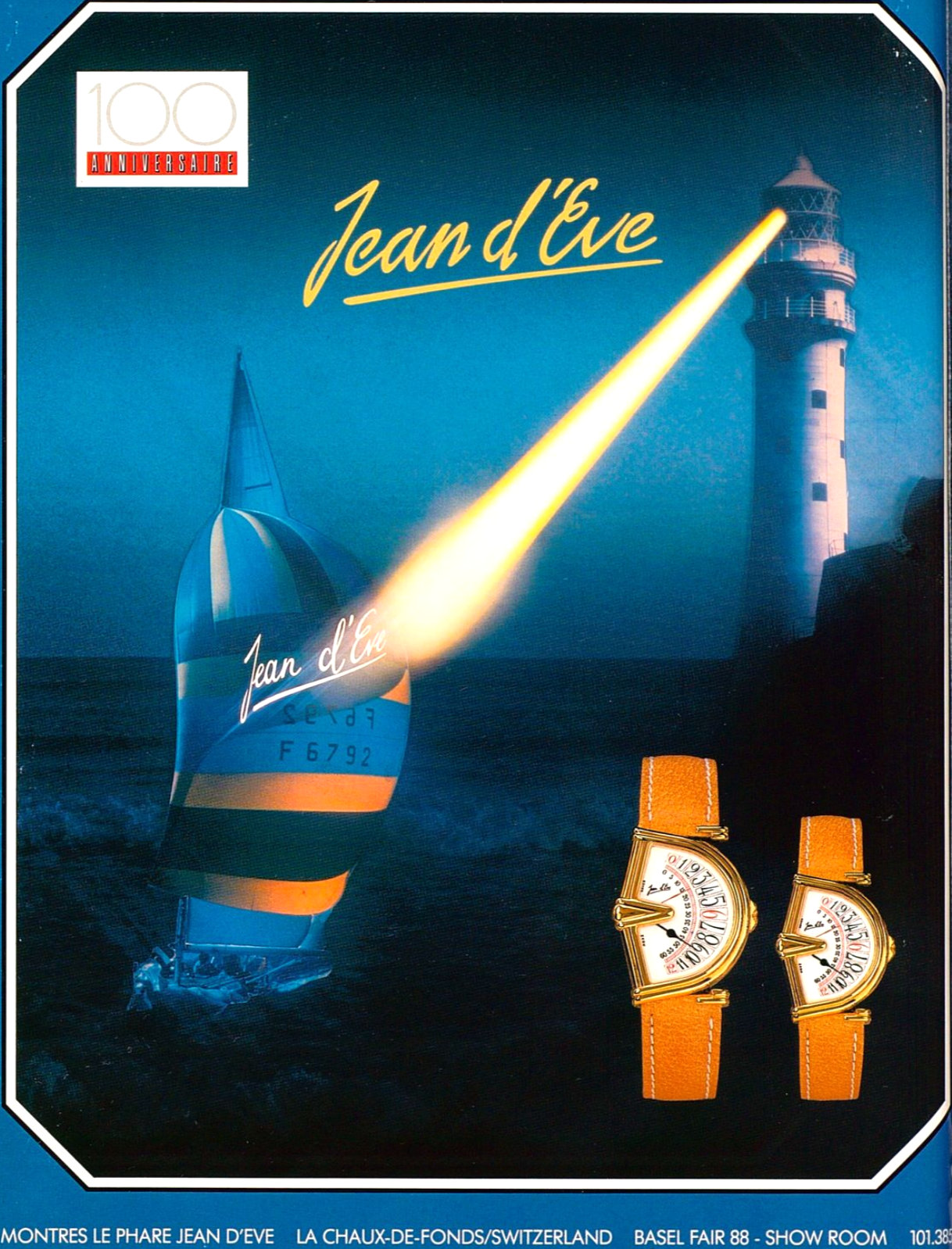
Like many other Swiss watch companies, Le Phare tried to move upmarket during the "quartz crisis" and registered the Jean d'Eve brand. In 1984, the company became Le Phare-Jean d'Eve [18].

1983

1988

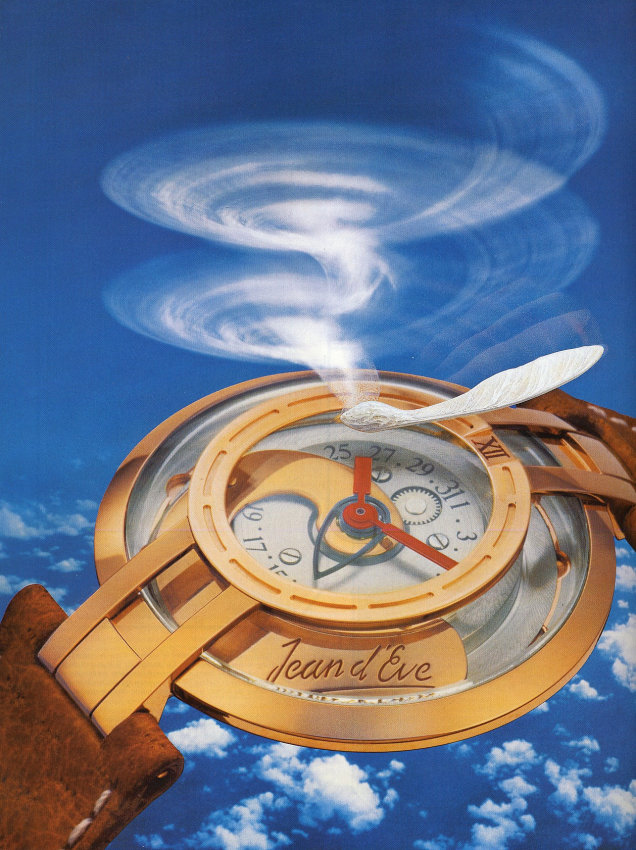
A remarkable watch was launched in 1988: the Samara. It was the first quartz watch whose energy was supplied by a rotor activated by wrist movements, as in an automatic watch [18].

1988

This technological feat did not allow the company to survive. In 1991, it came under Chinese ownership [19] and the brand gradually disappeared.

Today it belongs to the Hong Kong group Free Town Watch Products.

The current Jean D'Eve website can be found here (unsecured site).


[1] Jean-Paul Bourdin, Fabricants et horlogers loclois, 2012, Editions G d'Encre, p. 270

[2] FOSC 1888

[3] La Suisse Horlogère, 1948, 6, pp. 70-77

[4] La Fédération Horlogère, 1896, August 2, p. 321

[5] Patent CH 334

[6] Patent CH 7782

[7] FOSC 1905

[8] FOSC 1922

[9] FOSC 1928

[10] FOSC 1931

[11] FOSC 1932

[12] FOSC 1938

[13] FOSC 1940

[14] FOSC

[15] FOSC 1956

[16] FOSC 1973

[17] Dubois Dépraz, 90 années d'horlogerie compliquée, edited by Dubois Dépraz, 1991, pp. 78-80

[18] For further information, see Joël Pynson, La montre-bracelet suisse, published by Time To Tell, 2024, pp. 396-397.

[19] FOSC 1991

The archives of Fédération Horlogère, Davoine and l'Impartial are available online at www.doc.rero.ch

The archives of Journal Suisse d'Horlogerie, Europa Star, Revue Internationale d'Horlogerie and Suisse Horlogère are available at The Watch Library

The FOSC (Feuille Officielle Suisse du Commerce) is available on E-periodica

Notes :

About Time To Tell: Time To Tell has one of the largest private digitized databases on the history of Swiss watchmaking, with over 2.3 TB of data on more than 1,000 Swiss watch manufacturers. This database has been built up over a period of some thirty years, and continues to be fed with around 50 to 100 GB of data every year. The database is made up of old documents, mainly Swiss trade journals, dating from the late 19th to the late 20th century. Most of these documents are not available on the Internet. Historical articles published on the time2tell.com website always cite the sources used.

Time To Tell is a private company, independent of any watch manufacturer.

©Time To Tell, 2025 

Reproduction forbidden without authorization.

Any use of this article by artificial intelligence is strictly forbidden and will be considered an infringement of copyright.

Product Details

Product added to wishlist

Nous utilisons des cookies afin de fournir une expérience utilisateur conviviale. En naviguant sur ce site, vous acceptez la politique d'utilisation des cookies.