The true story of Heloisa watches

The true story of Heloisa watches

Heloisa

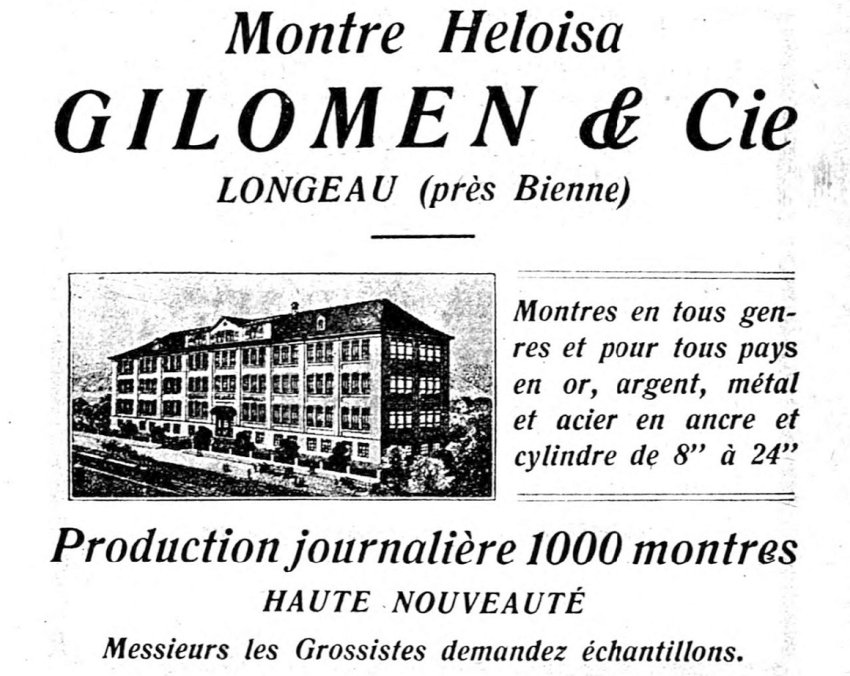
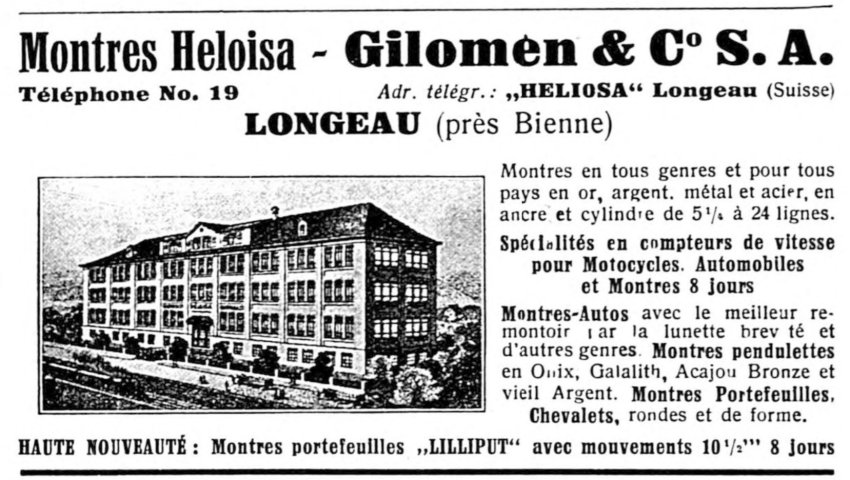
This factory in Longeau, near Biel, is part of the Gilomen dynasty.
Description

Joël Pynson

October 2025

1. The Gilomen family

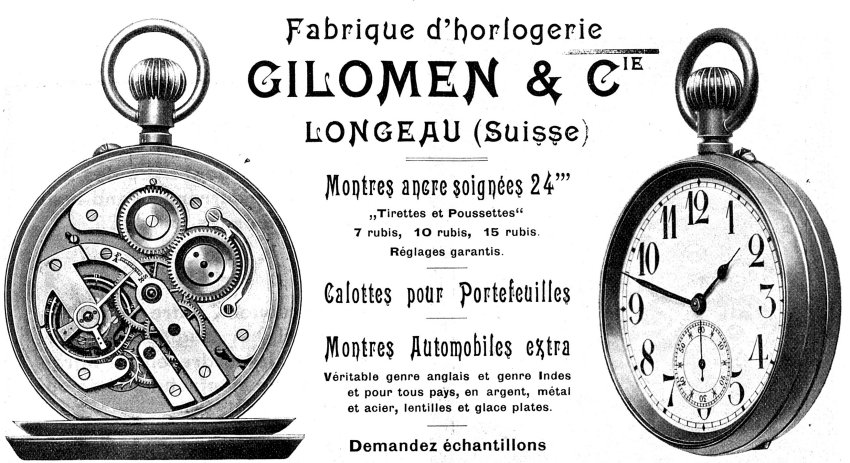
Heloisa's origins date back to 1906, when Eduard Gilomen-Meier, his son Eduard Jr., Karl Gilomen-Ruefli, and Hans Gilomen-Schöni established their watchmaking factory in Lengnau, near Biel, under the name Gilomen & Cie [1].

Adding the wives' names after their husbands' names was customary in Switzerland, but in this case it was essential, as many members of the Gilomen family were involved in watchmaking, often with the same first name.

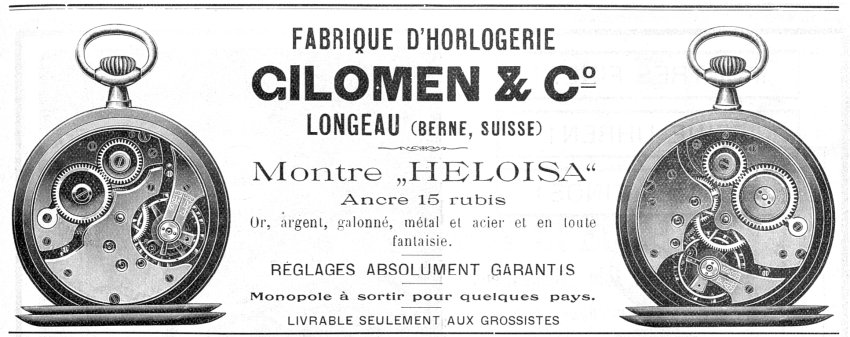
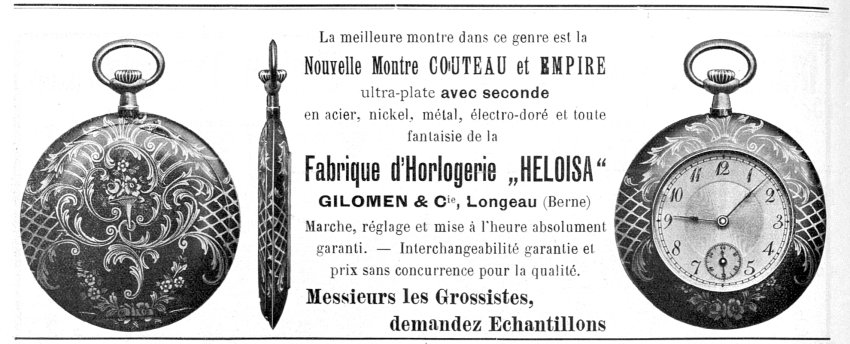
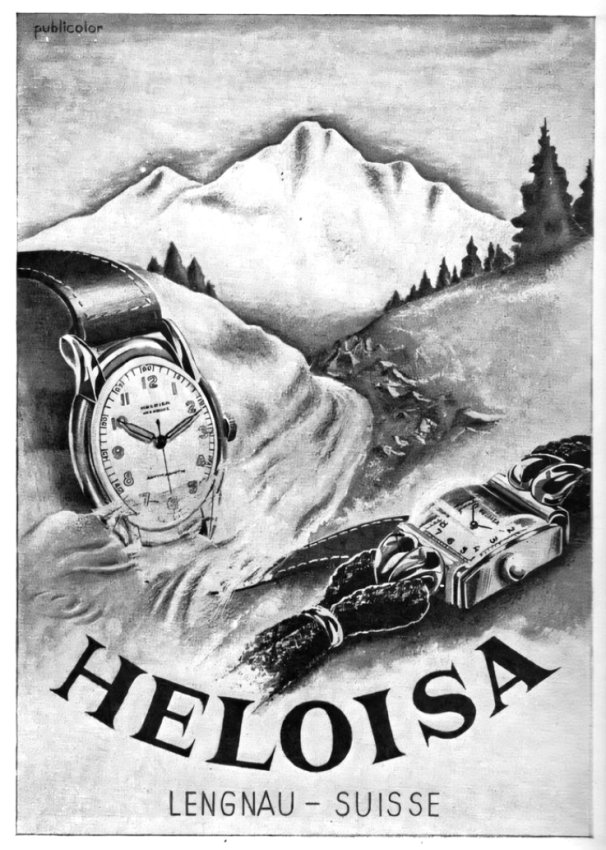
The Heloisa brand was registered in 1912.

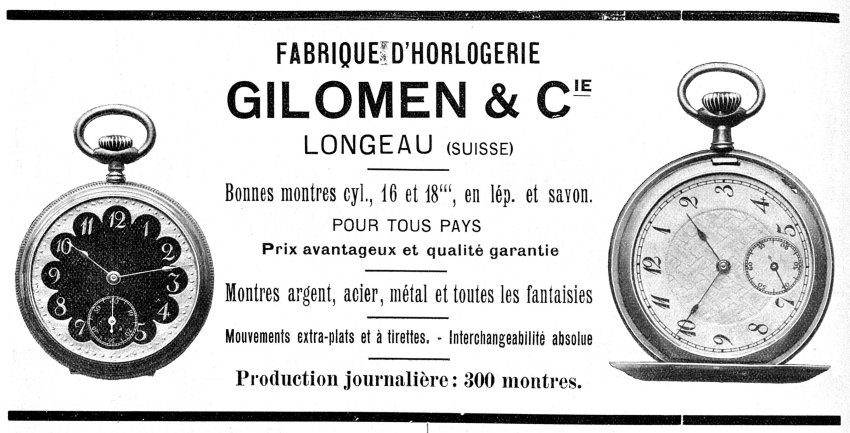
In the early 1910s, the factory produced sturdy anchor watches and claimed to make 300 per day.

1911

1911

1912

1913

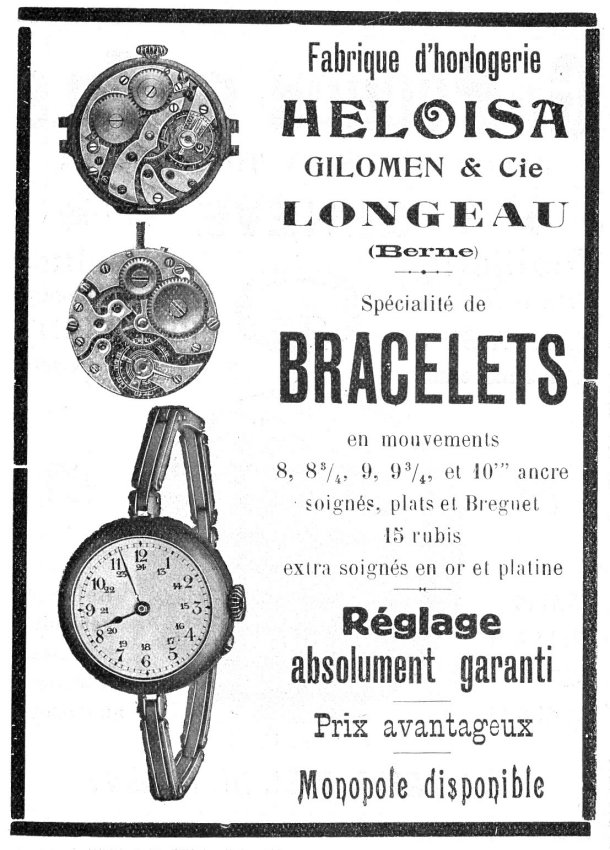
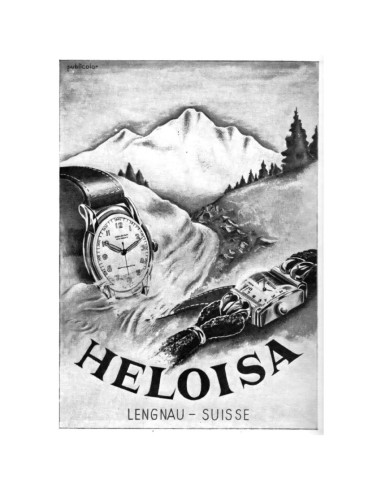
In 1914, Heloisa began producing wristwatches. In 1916, the factory became Gilomen & Cie, Heloisa Watch [2].

In 1918, Heloisa claimed to be manufacturing 1,000 watches per day.

1914

1920

1918

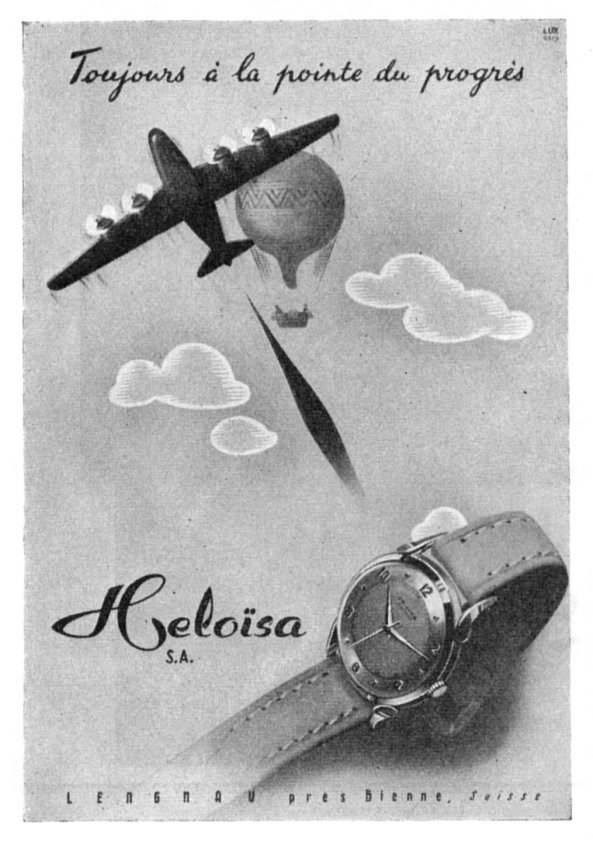
During the crisis period of the 1930s, Heloisa diversified by offering speedometers, car watches, and pendulum clocks.

1931

In 1932, Heloisa became a public limited company with a change in shareholders, still within the Gilomen family: Robert Gilomen-Spahr and his son Walter, and Hans Gilomen, son of Eduard [3].

But surprisingly, in 1935 the company was transferred to other members of the Gilomen family: Eduard Gilomen-Schlup, Walter Gilomen-Klay, and Robert Gilomen-Schlup [4]. Subsequently, other Gilomens joined the family saga: Robert Gilomen-Bindy and Leo Brotschi-Gilomen, for example!

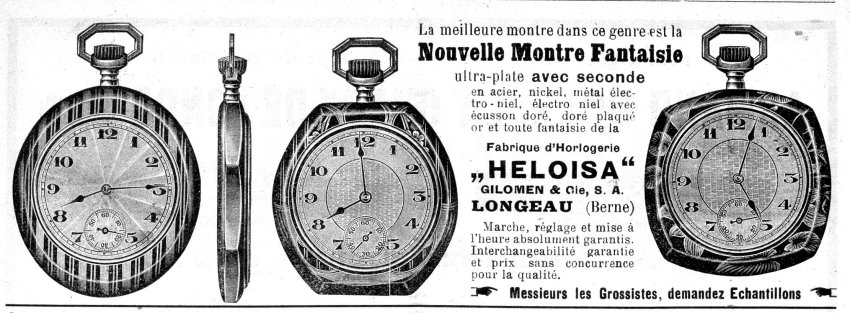
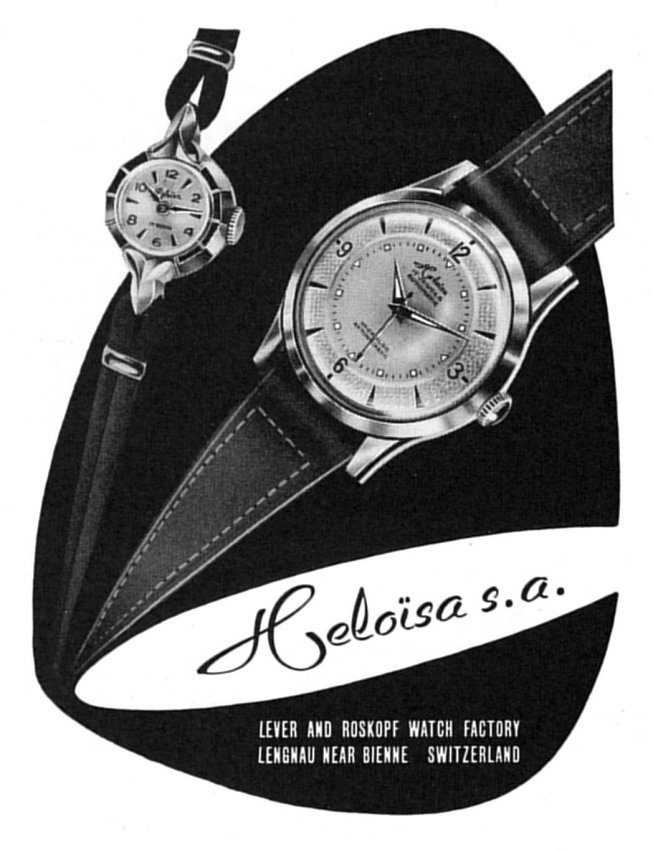
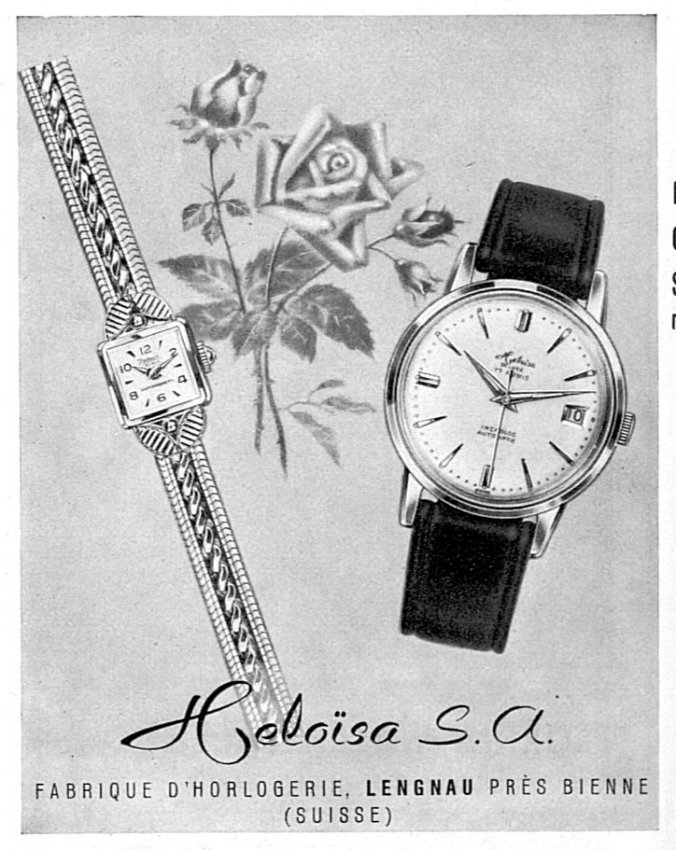
Heloisa watches, meanwhile, were very classic, based on Ébauches SA movements.

1947

1949

1954

1962

1968

1971

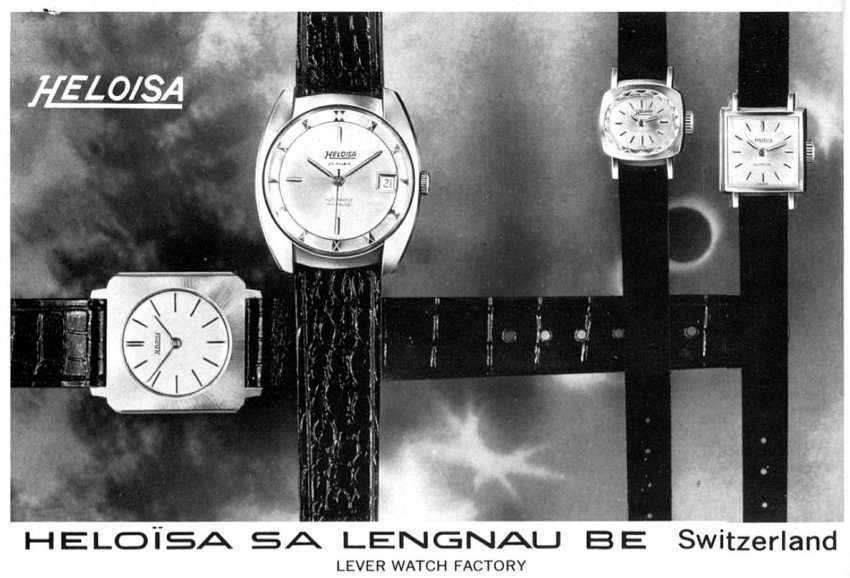
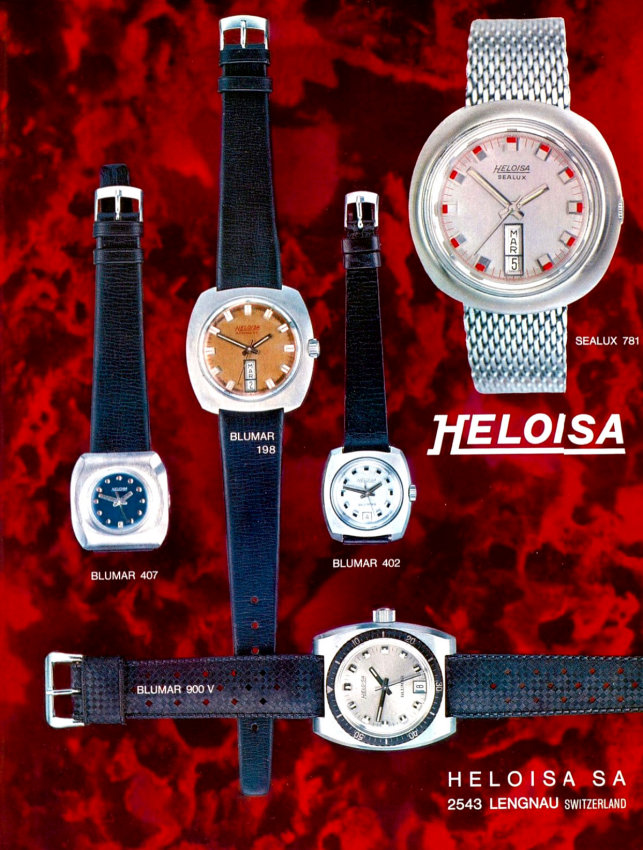
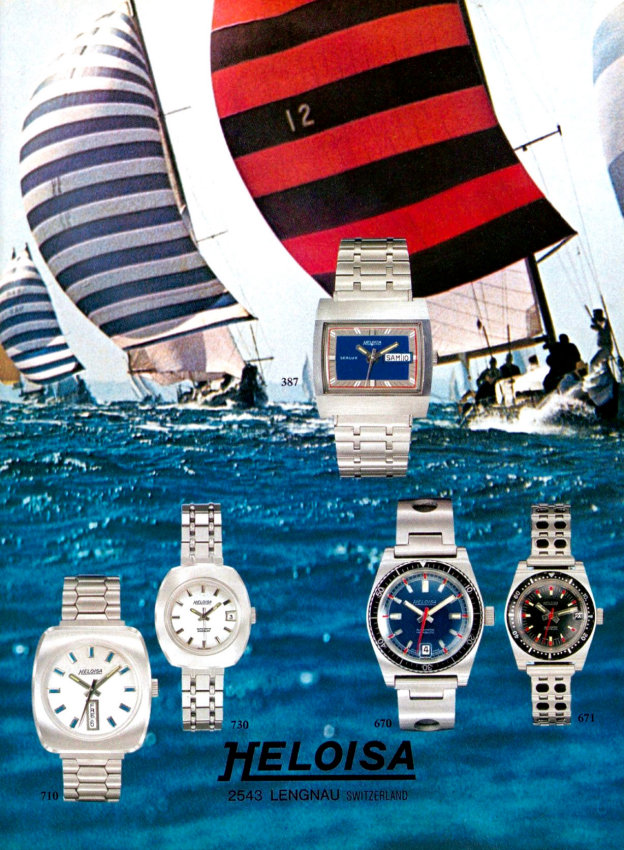
At the end of the 1960s, Heloisa produced its first diving watches.

1969

1972

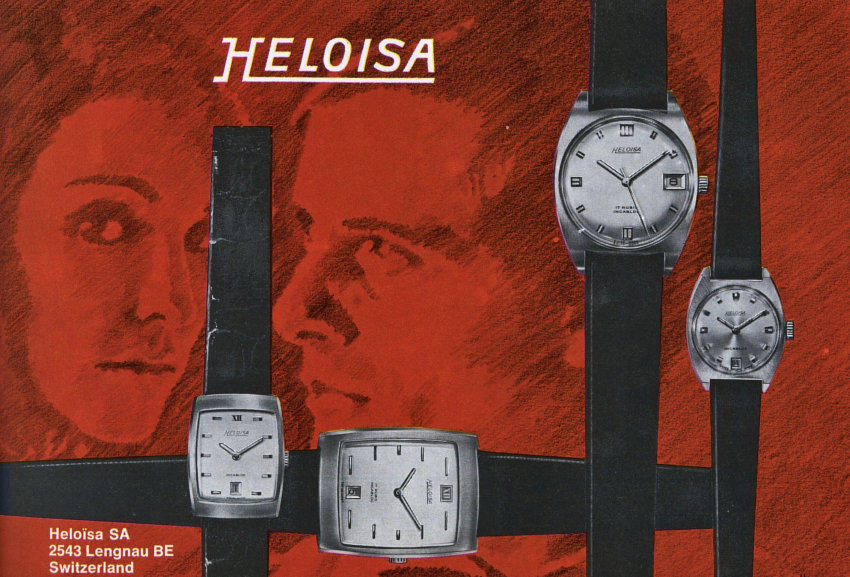
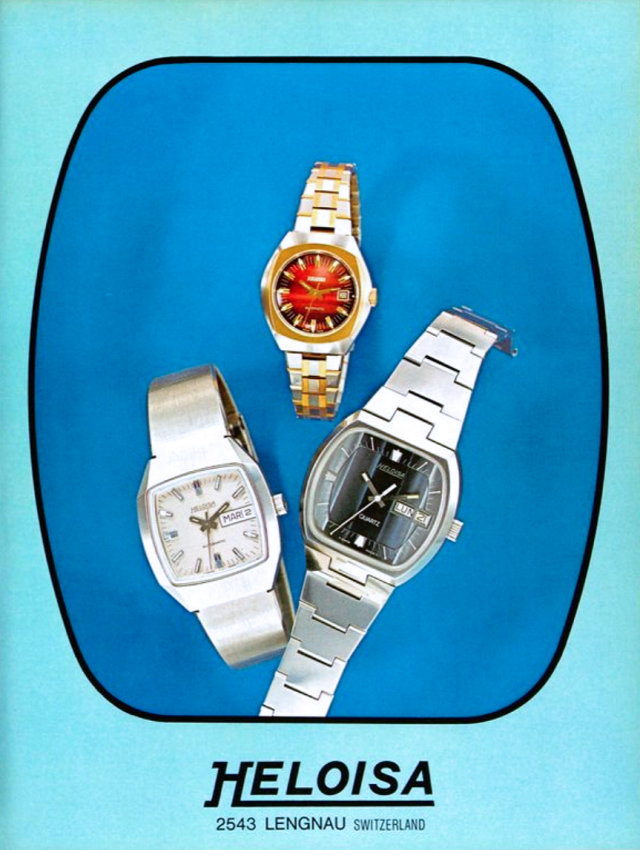
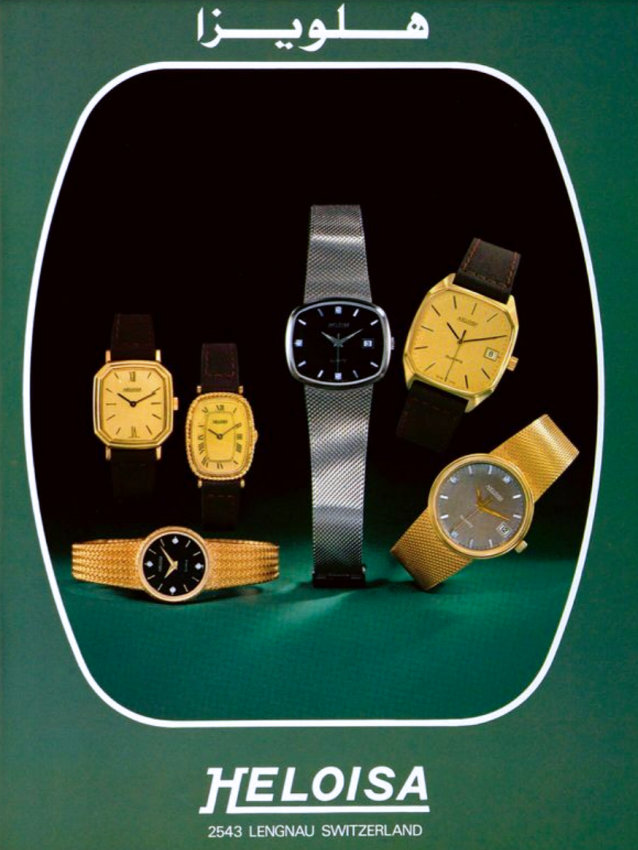
In 1976, Heloisa also launched a quartz watch and, like many others, attempted to move upmarket, particularly targeting the Middle Eastern markets.

1976

1980

But the company struggled to withstand the fall in prices of American and then Asian quartz watches and the collapse of currencies against the Swiss franc. It found itself in difficulty in the early 1980s.

2. A new future in Arabia

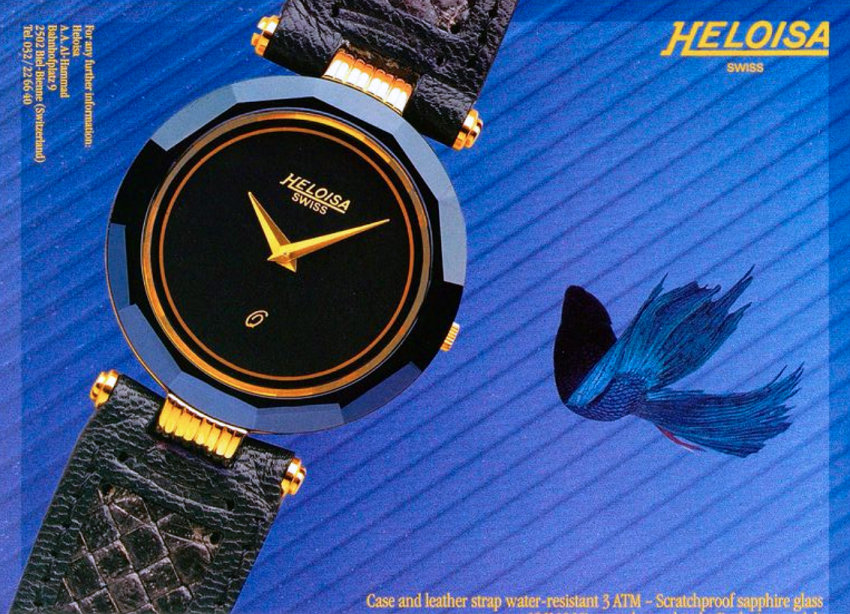
In 1983, Heloisa was taken over by Abdul Razak al Hammad of Saudi Arabia, who relaunched it [5]. 

1988

Heloisa still exists in her adopted country: https://heloisawatches.com/ 


[1]] FOSC 1906

[2] FOSC 1916

[3] FOSC 1932

[4] FOSC 1935

[5] FOSC 1983

The FOSC (Swiss Official Gazette of Commerce) is available on E-periodica

Notes:

About Time To Tell: Time To Tell has one of the largest private digitized databases on the history of Swiss watchmaking, with over 2.5 TB of data on more than 1,000 Swiss watch manufacturers. This database has been built up over a period of around 30 years and continues to be updated with around 50 to 100 GB of data each year. The database consists of old documents, mainly Swiss trade journals, dating from the late 19th century to the late 20th century. Most of these documents are not available on the Internet. The historical articles published on the time2tell.com website always cite the sources used.

Time To Tell is a private company, independent of any watch manufacturer.

©Time To Tell, 2025

Reproduction prohibited without permission.

Any use of this article by artificial intelligence is strictly prohibited and will be considered a violation of copyright.

Product Details

Product added to wishlist

Nous utilisons des cookies afin de fournir une expérience utilisateur conviviale. En naviguant sur ce site, vous acceptez la politique d'utilisation des cookies.