The true story of Grana and Certina watches

The true story of Grana and Certina watches

Certina

The Kurth brothers from Grenchen initially marketed their watches under the Grana brand, but it was the Certina brand that finally took hold, thanks to successful models such as the Labora and Certina DS.

Description

Joël Pynson

January 2025

1. The Kurth dynasty

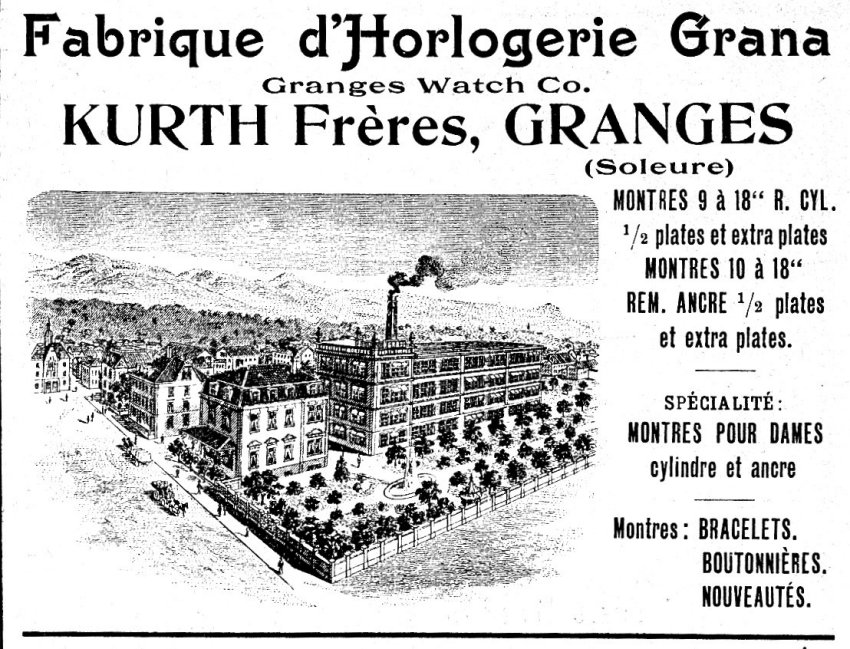
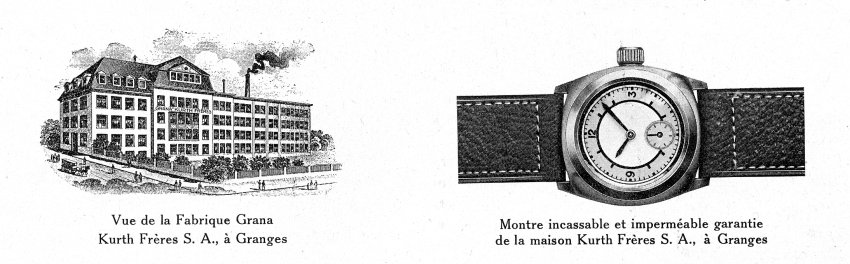
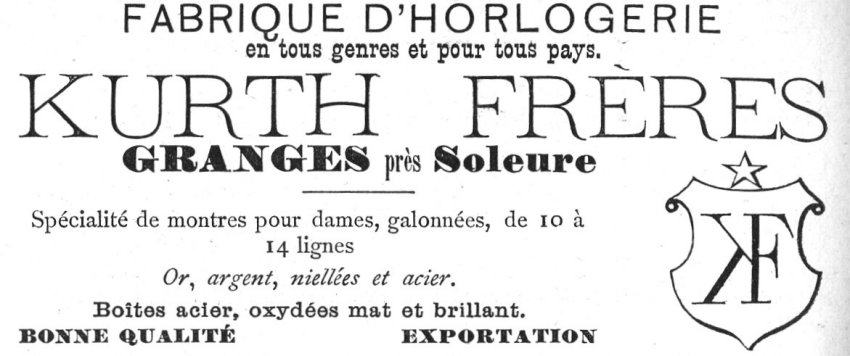
Adolph Kurth registered his watchmaking factory in Grenchen in 1891 [1], but he must already have been active there, since the official founding date was 1888.

His brother Alfred joined him in 1896, and the company became Kurth Frères.

Adolph died in 1897, and a third brother, Emil, joined the company [2].

The factory specializes in ladies' watches and manufactures its own movements, from 10 to 14 lines.

1896

The Grana brand was registered in 1898.

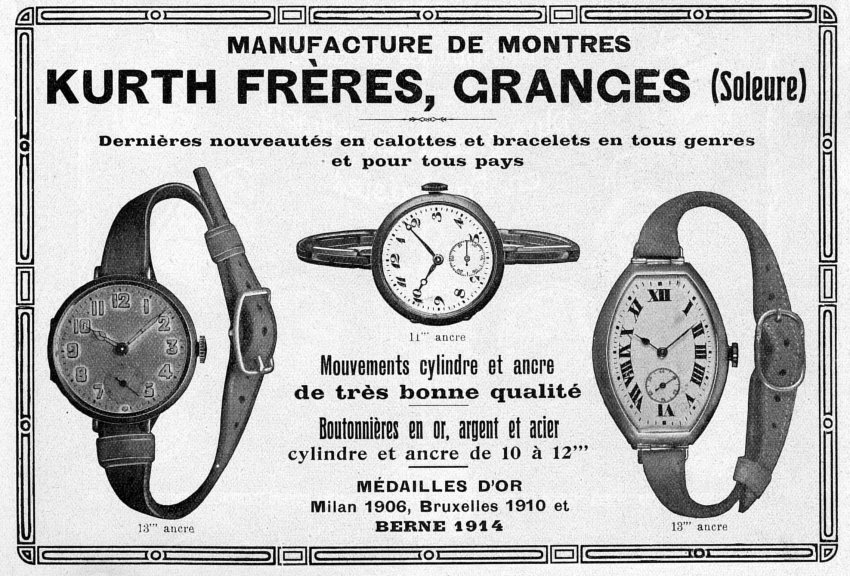
By 1903, the Kurth brothers were making wristwatches, and their quality was recognized at major international exhibitions: gold medals in Milan in 1906, Brussels in 1910, and Bern in 1914.

1905

1915

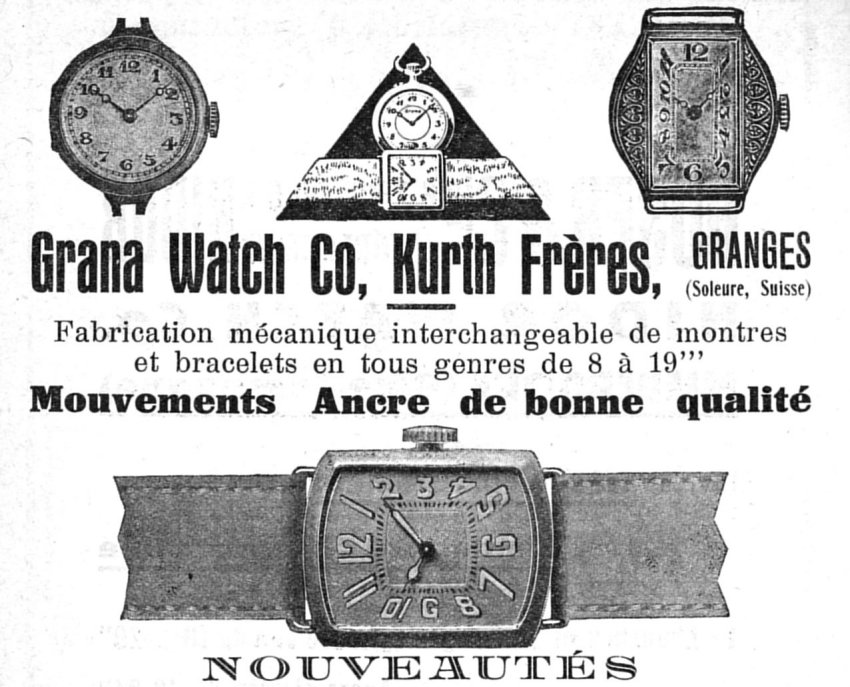
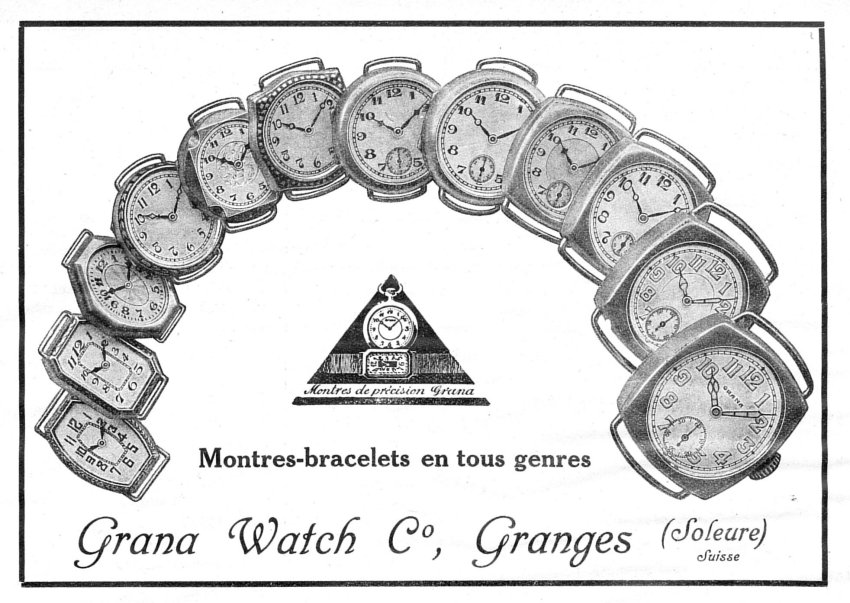
Several trademarks were registered, such as Ultima, Moderna, or Narcisse, which even briefly became the company name [3]. In 1921, the company was renamed Fabrique Grana [4].

1922

1929

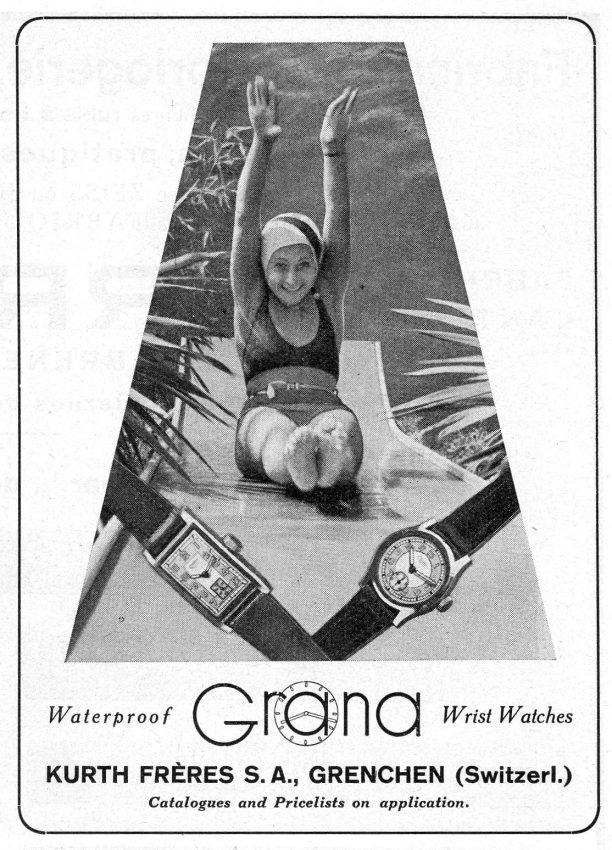
The Certina trademark is registered in 1924.

When the watchmaking trusts were created during the crisis of the 1920s-1930s, Fabrique Grana entered into an agreement with Ébauches SA, but retained its production of ébauches. The company thus retained its status as a manufacture [5].

In 1932, the Fabrique d'Horlogerie Grana became a public limited company, and saw the arrival of the 2nd generation of the Kurth family: Adolph, Erwin and Hans [6].

Emil Kurth died in 1934. The company he had helped to create was now a medium-sized factory employing 120 people [7].

1935

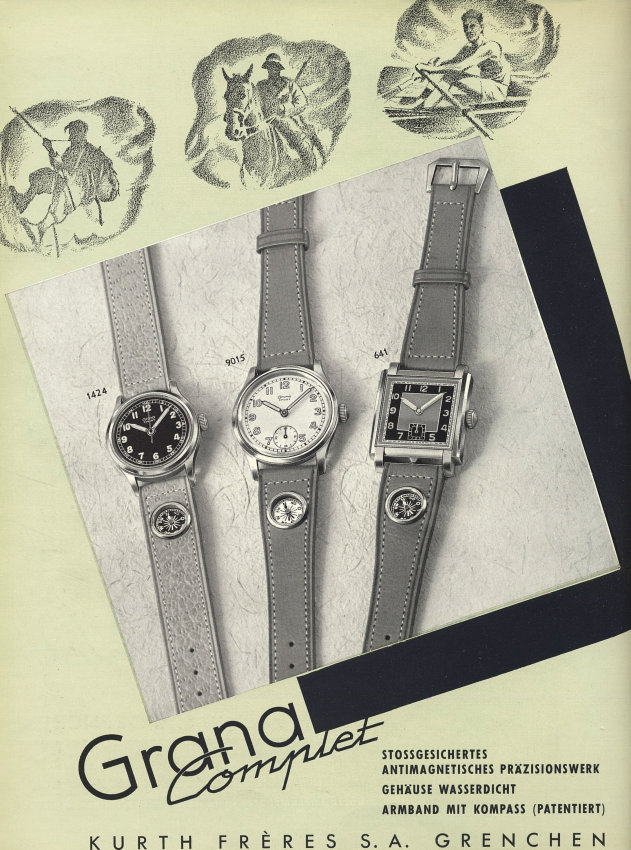
In 1935, Grana produced its first shockproof watches. Good-quality watches are sold under the Grana brand, and standard-quality watches under the Certina and Ultima brands.

Alfred Kurth died in 1937, and Hans Kurth became Chairman of the Board [8].

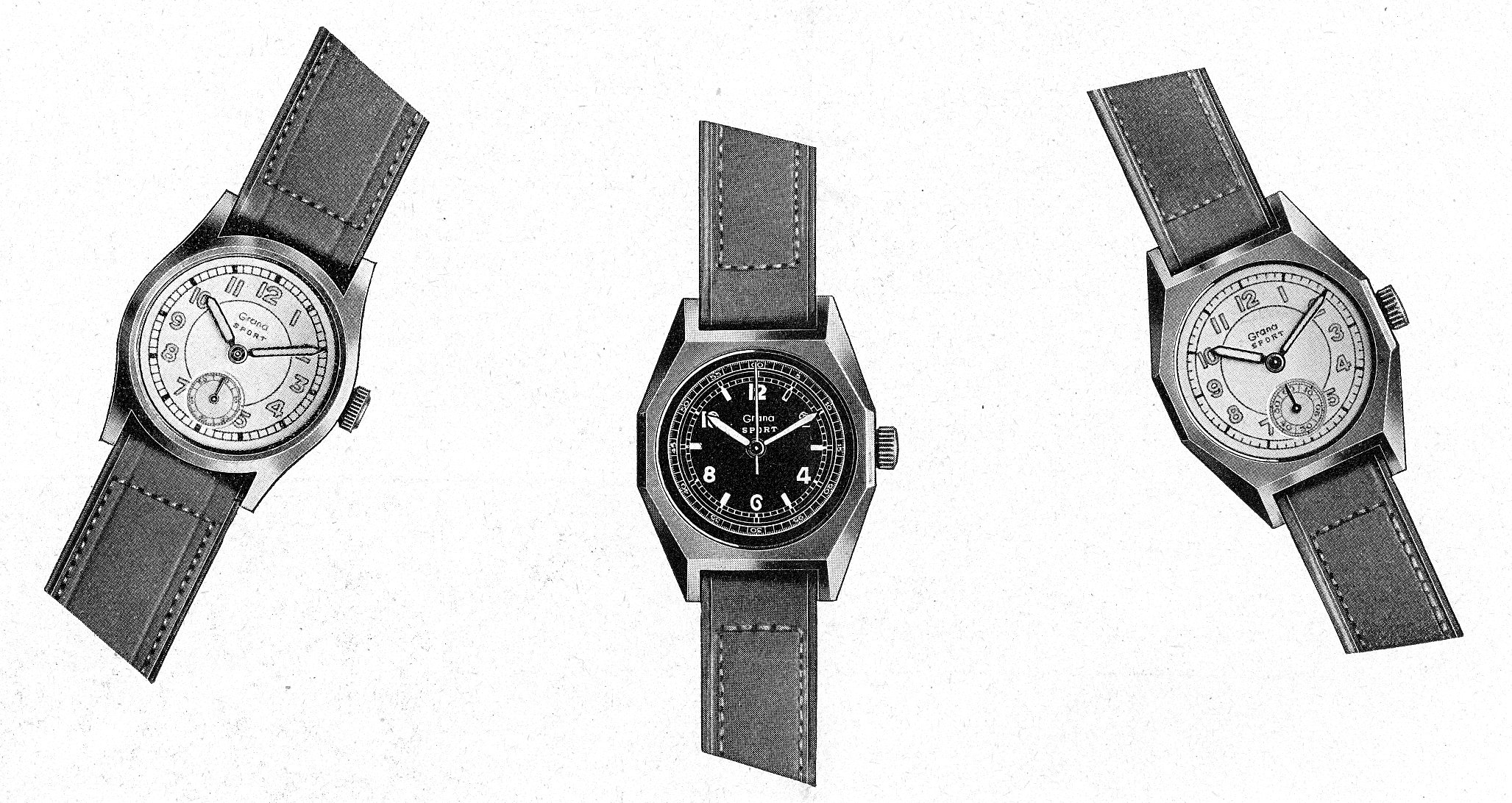
In 1938, to celebrate the company's 50th anniversary, Grana launches a series of Grana Sport models, water-resistant, in steel, with shock protection. Sports watches became a speciality of the company, which now employed 250 people.

1939

1938

1943

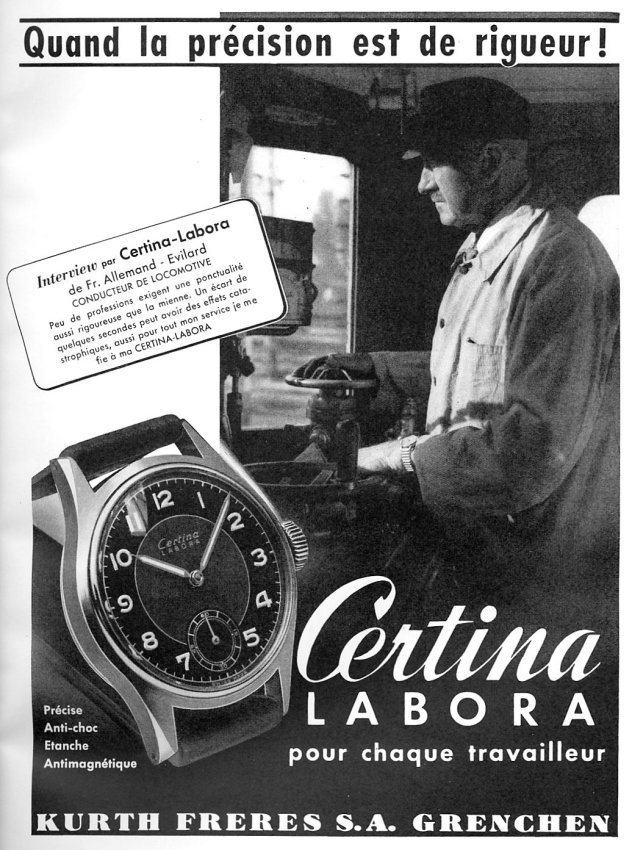
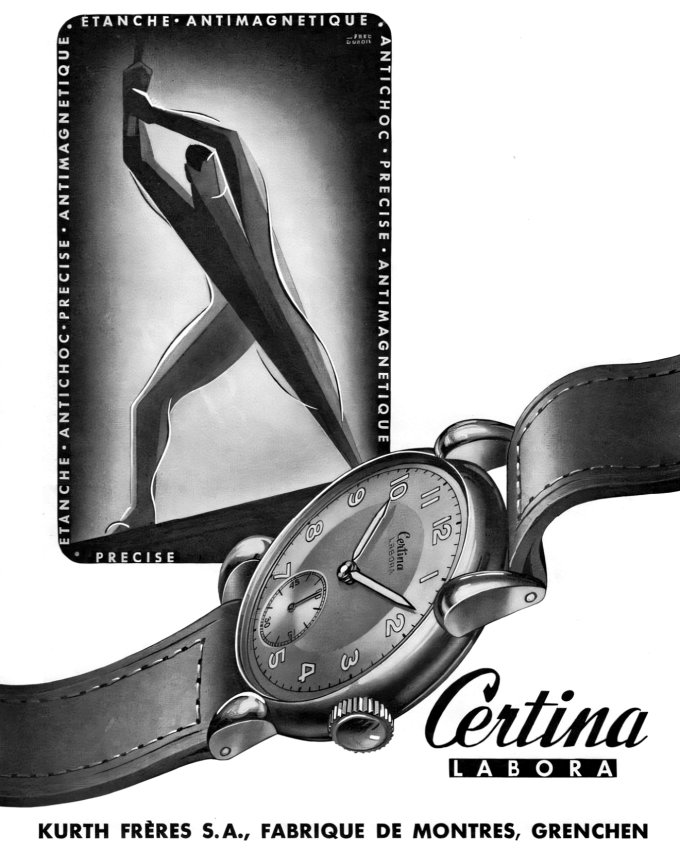
In 1944, the Kurth brothers launched a model that was to enjoy considerable success: the Certina Labora. Designed for workers and active people, it was solid, precise and inexpensive. The Certina brand was so successful that the company was renamed Fabrique des montres Certina in 1949 [9].

1944

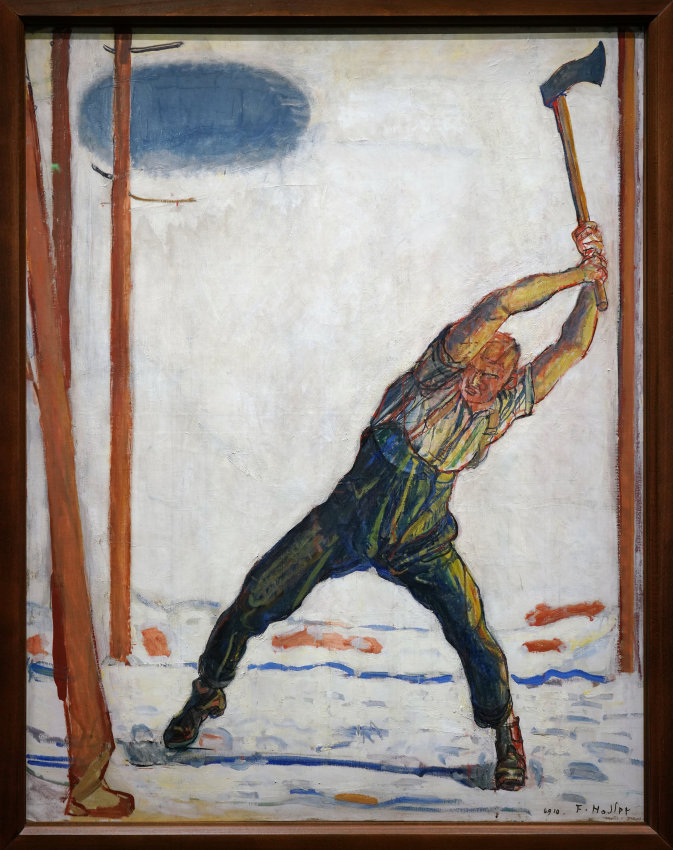
Ferdinand Hodler, The Woodcutter, 1910, Musée d'Orsay

1946

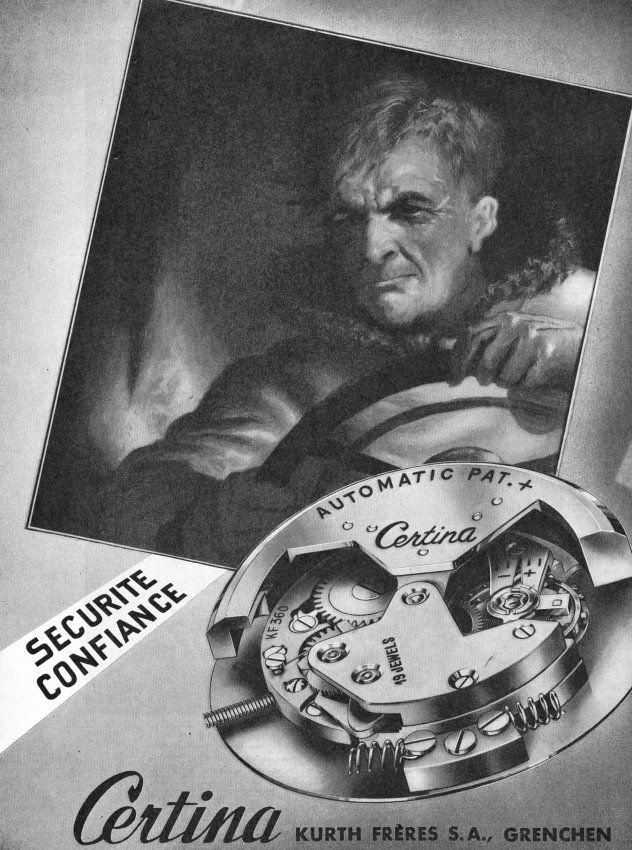
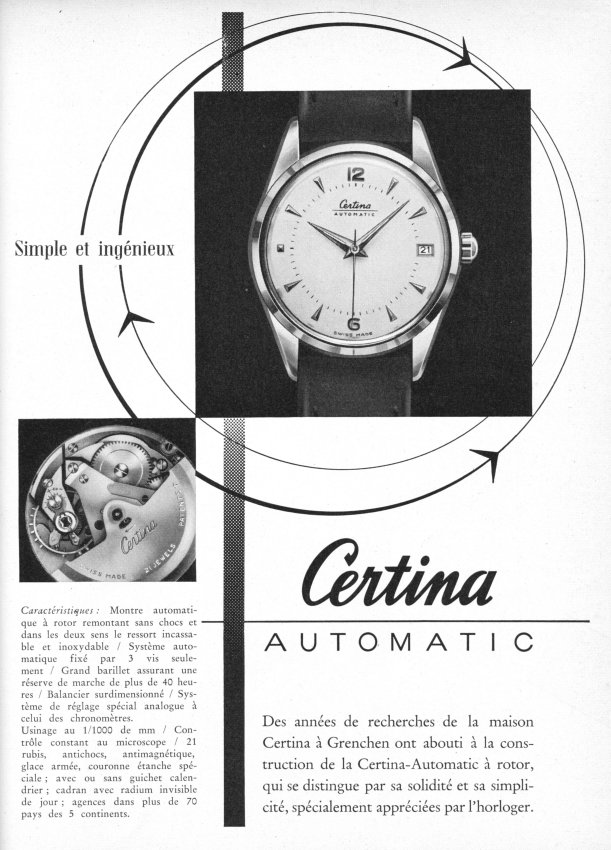
In 1948, Certina launched its first automatic caliber, KF360. This was a classic movement for its time, with a stop-type oscillating weight. The second automatic caliber, 25-45 and 28-45, launched in 1953, is more modern: rotor turning 360° and winding in both directions, center seconds, with or without date window.

1948

1953

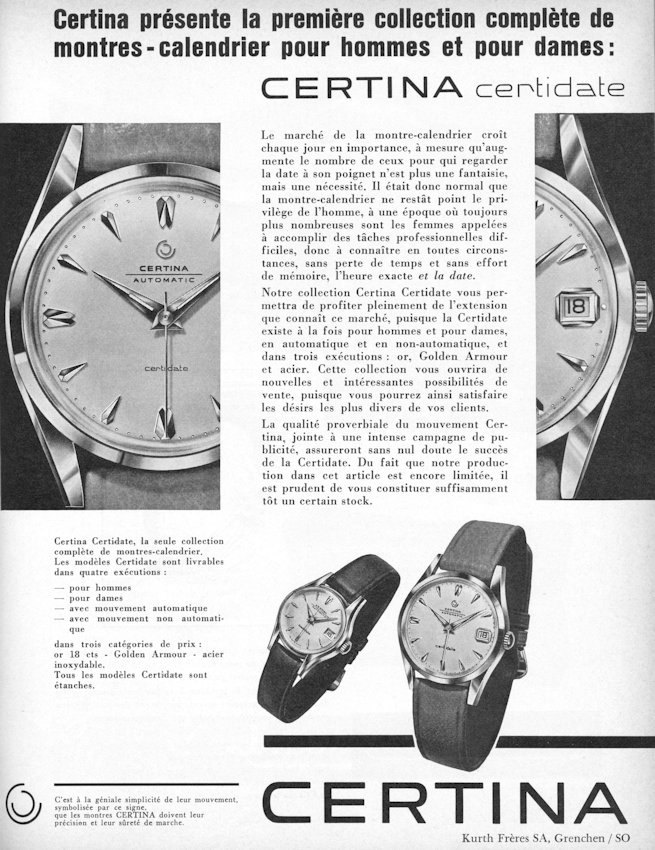
The Certidate date version was also available with a hand-wound movement.

1957

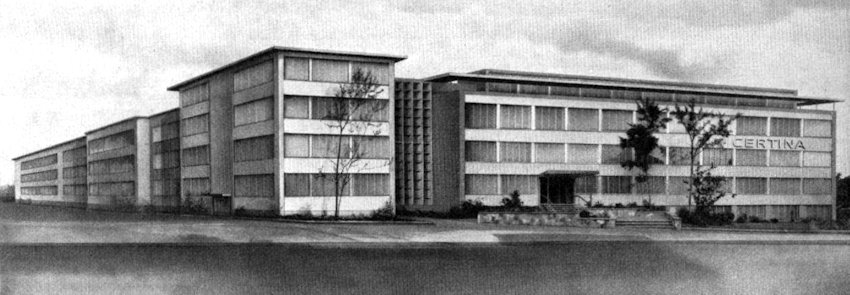
In 1959, to celebrate the company's 70th anniversary, Certina inaugurated new buildings to house all its activities: administration, research offices, winding and adjustment workshops, and of course the movement factory [10].

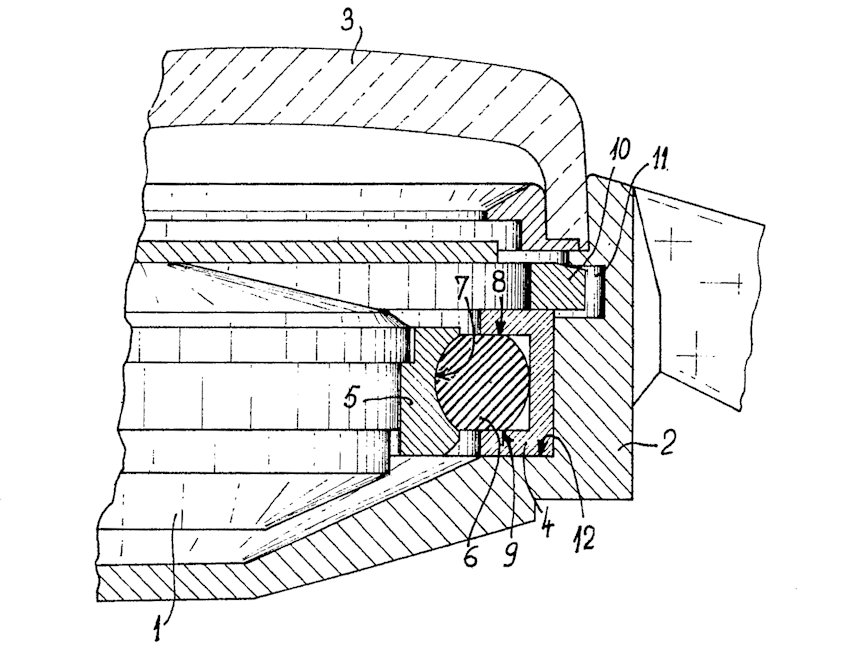
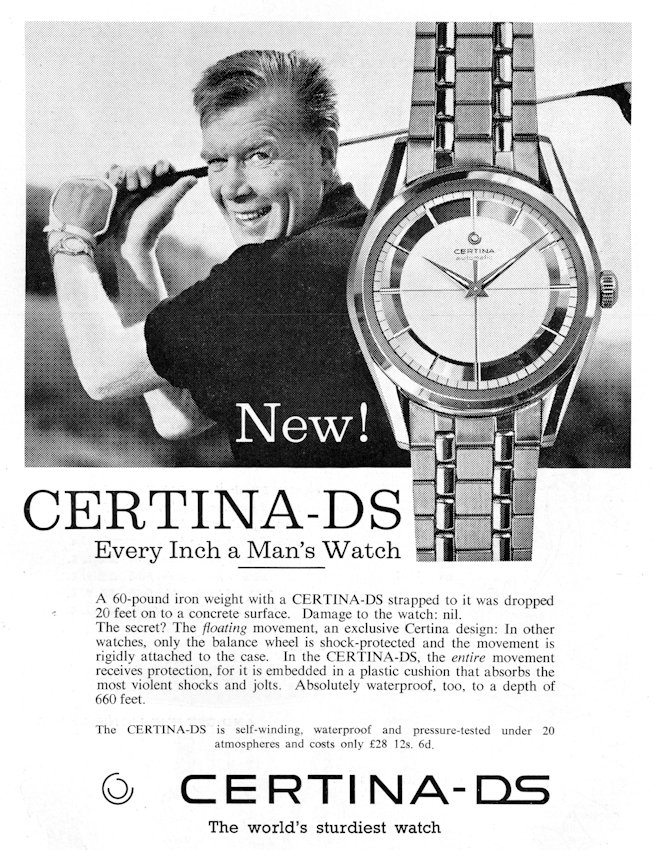
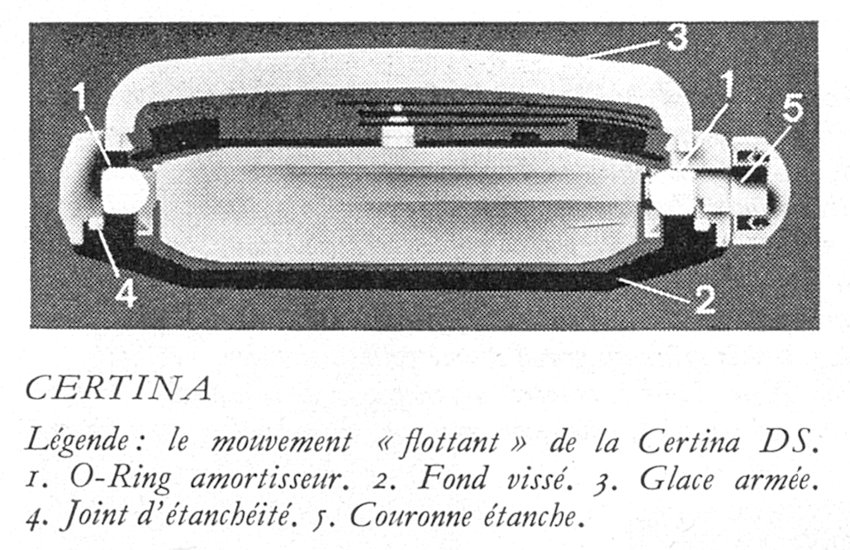
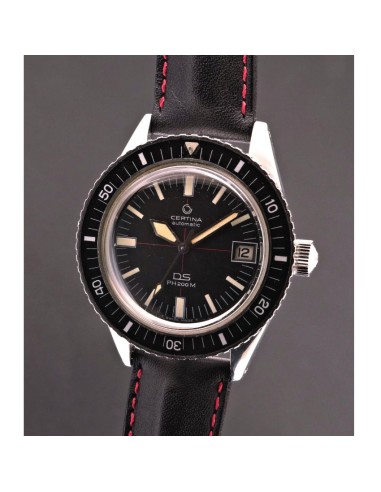
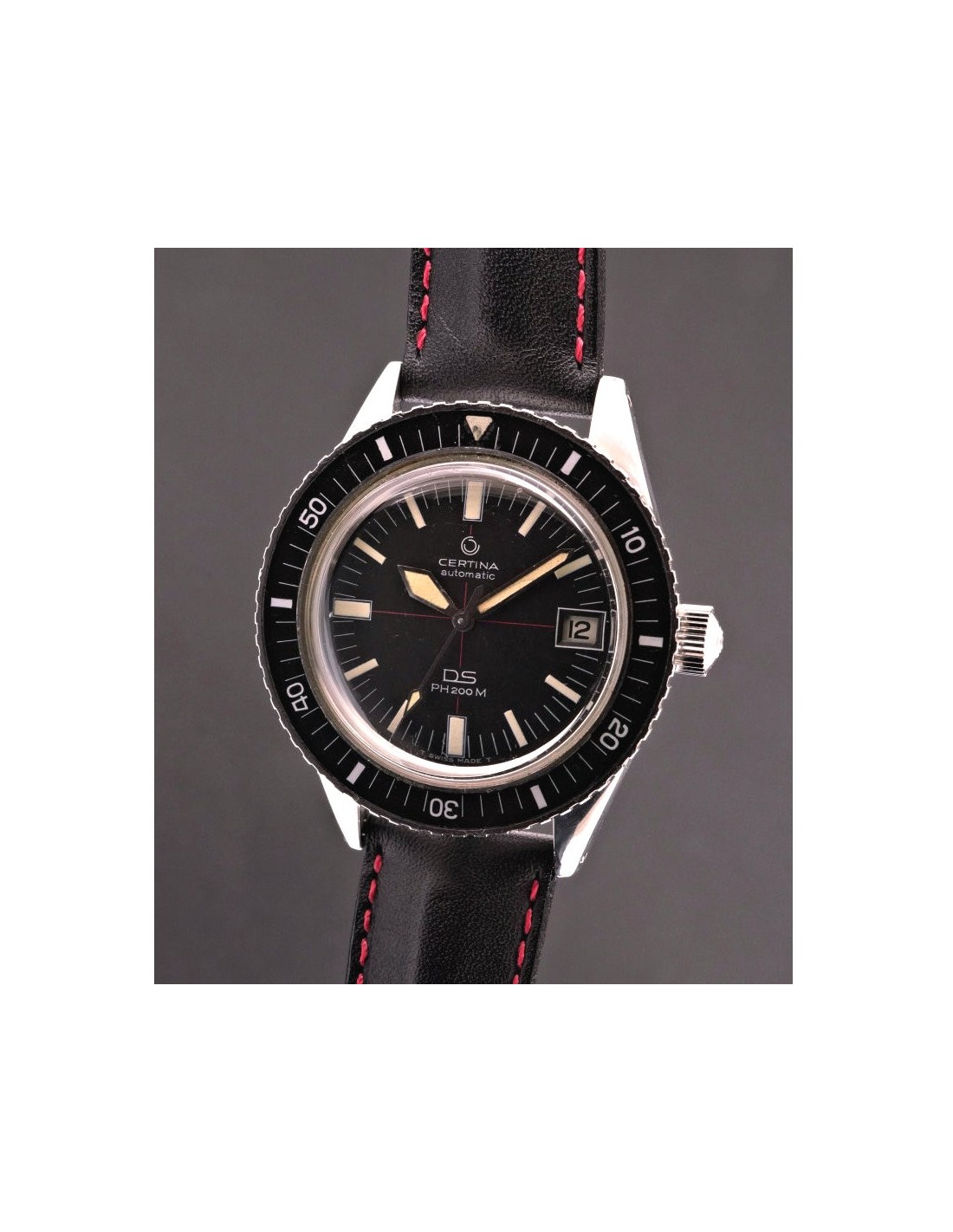
It was also in 1959 that Certina launched its most famous model to date: the Certina DS (DS for Double Security). This watch was designed to be extremely shock-resistant. The movement is in fact "floating", meaning that it is supported only at the periphery of the case, via an elastic O-ring that runs around the movement. The escapement is, of course, shockproof. What's more, the case is water-resistant to a depth of 200 m.

This system was patented [11] by the Huguenin case manufacturer in Le Locle, the same company that supplied the cases for Omega's Speedmaster chronograph.

Brevet Huguenin, CH 408 793

1959

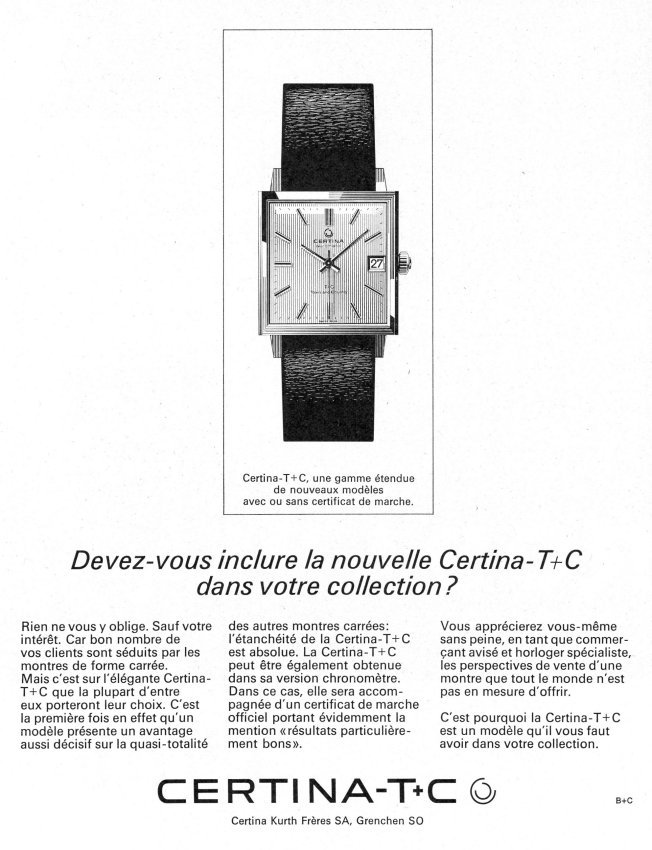
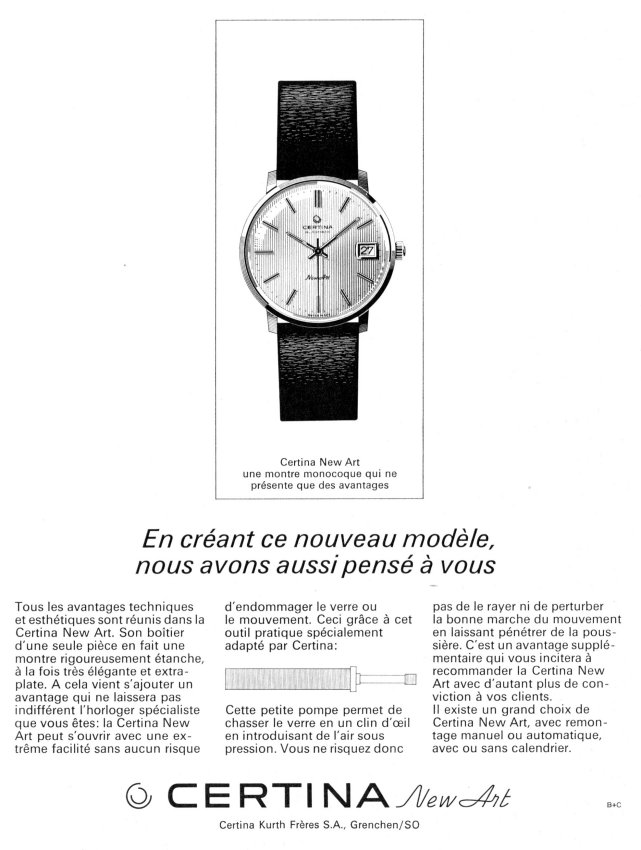
In 1965, Certina launched an elegant square water-resistant watch: the Certina T+C (Town and Country), and the following year a sleekly styled model, the New Art.

1965

1966

In 1968, the water-resistance and shock-resistance of the DS model were improved, and the model was renamed DS-2. Two new diving models were launched: the PH 200M, water-resistant to 200 m, and the Super PH 500M, water-resistant to 500 m.

The following year, Certina launched a DS-2 Chronolympic chronograph, and in 1970 a model water-resistant to 1000 m: the Super PH 1000M.

By 1969, Certina, managed by Hans Kurth, employed more than 850 people and produced over 500,000 watches a year [12].

As electronics began to gain ground in watchmaking, Certina joined forces with Buren, Roamer and Rolex to create Neosonic SA. The aim of this new company was to carry out research into electronic watches, in collaboration with the Swiss Federal Institute of Technology in Zurich [13]. Philipp Kurth, Certina's Technical Director, is appointed Chairman of the Board.

Increasing the frequency of the balance-spring is a factor in improving watch precision. The development of the Clinergic 21 by Fabriques d'Assortiment Réunies in 1966 led to the launch of calibres beating at 36,000 vph, used by Girard-Perregaux, Longines, Cyma, Zodiac, Doxa and many others [14].

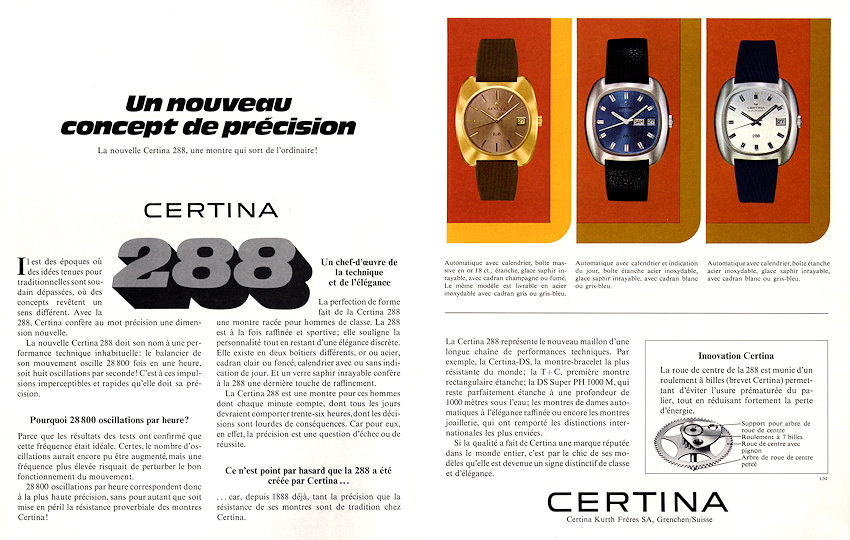
After the advent of the Clinergic 21, theoretical work and tests on the escapement continued. However, tests showed that for watches manufactured at the time, the ideal frequency was slightly less than 30,000 A/h. This was the advent of 28,800 vph watches. Certina used these calibers as soon as they became available, adding an improvement in the form of a miniature ball bearing to prevent premature barrel wear [15].

The launch of these watches, aptly named 288, took place in 1970.

1971

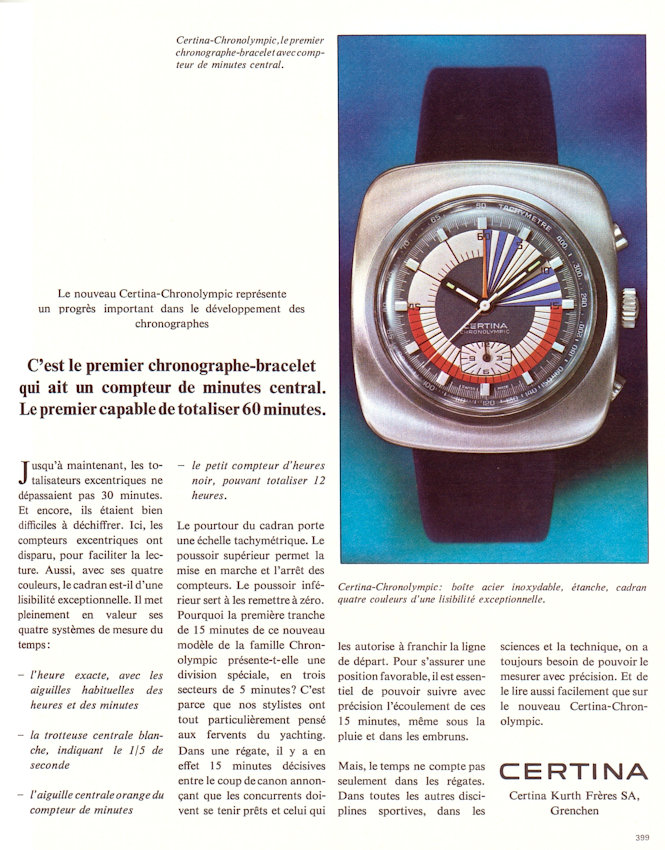
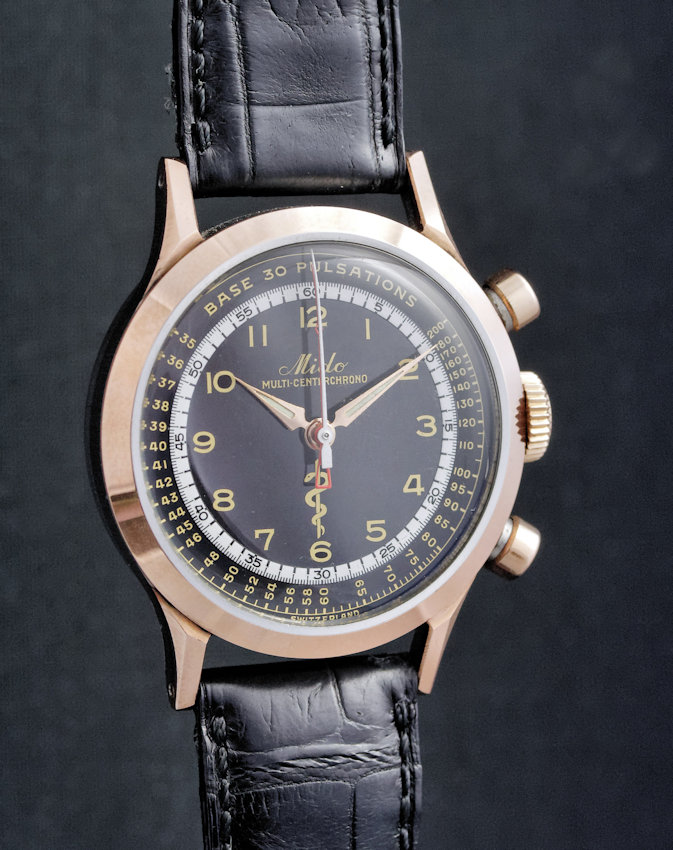
The following year Certina launched a version of the Chronolympic chronograph with a central minute counter. It was then presented as "the first wrist chronograph with central minute counter". This is not true: the first chronograph of this type is the Mido Multi-Centerchrono, which dates from 1941, and Longines also produced them from 1942 onwards.

1971

With the end of the statut horloger, which had protected the Swiss watchmaking industry since the 1930s, Swiss manufacturers faced stiff competition from abroad in the 1960s. This marked the beginning of company mergers, with the aim of pooling resources and skills. In 1971, ASUAG encouraged this consolidation and created the General Watch Holding Co. which oversaw 7 Swiss watch manufacturers: Edox, Eterna, Mido, Oris, Rado, Technos and Certina [16].

2. General Watch Holding

With integration into General Watch Holding, Certina lost its manufacturing status, which had in fact been considerably reduced with the gradual introduction of Ébauches SA calibers into Certina watch production.

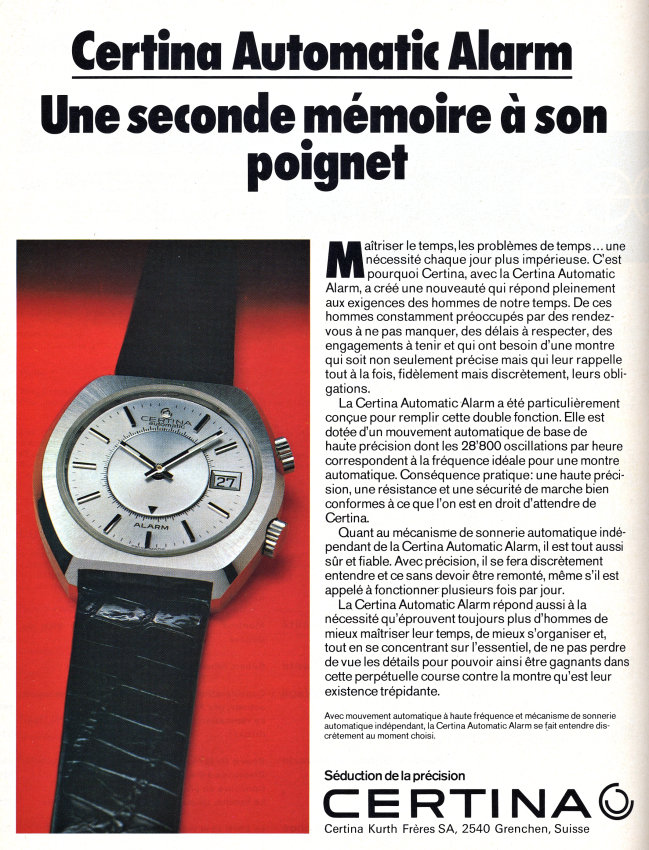
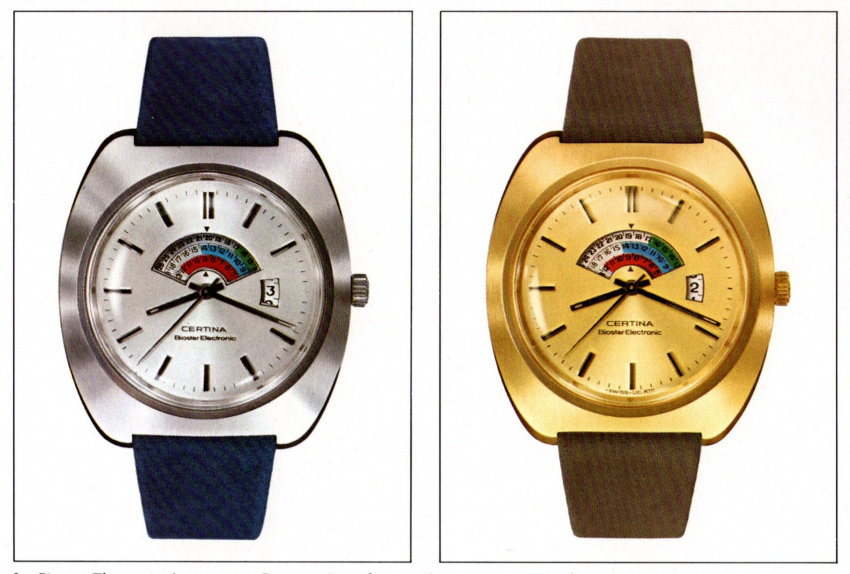
Certina's first years in the holding company were rather favorable: launch of several models, including the Biostar-Electronic and the DS 288, launch of electronic and quartz watches in 1973, and launch of an automatic alarm watch in 1974.

1974

Certina Biostar, 1972. The disc is supposed to show the wearer's 3 biorhythms: physical, psychic and intellectual, according to a rather fanciful theory.

The presence of the Rado factory in the General Watch group enabled Certina to launch the DS Diamaster in 1975 with a tungsten carbide case, a technology initiated with the Rado Diastar.

Hans and Erwin Kurth retired from the company in 1975. It was at this time that the famous "quartz crisis" began, and Certina was not to escape it.

In 1976, the Certina factory in Grenchen ceased movement production, which was relocated to other ASUAG Group production centers [17]. Despite the launch of numerous quartz watch models, including the Marine, Newport and Arc Royal ranges, redundancies occurred in Grenchen [18], and in 1981 Certina, Edox and Technos were merged under the same entity [19].

In 1983, ASUAG merged with SSIH (Omega, Tissot, Lémania) [20]. The General Watch Holding was dismantled and many companies sold: Oris, Edox and Technos left ASUAG. But Certina remained, along with Rado and Mido. These 3 manufacturers joined SMH, which became the Swatch Group in 1998.

An article on the main Certina watch models can be found here.

The official Certina website is here.

[1] FOSC 1891

[2] FOSC 1897

[3] FOSC 1910

[4] FOSC 1921

[5] La Fédération Horlogère, 1929, 23, p. 239

[6] FOSC 1932

[7] Revue Internationale d'Horlogerie, 1935, 9, p. 101

[8] FOSC 1937

[9] FOSC 1949

[10] Journal Suisse d'Horlogerie, 1959, 1, pp. 121-122

[11] Patents CH 346 825 and CH 408 793

[12] Journal Suisse d'Horlogerie, 1969, 6, p. 756

[13] Journal Suisse d'Horlogerie, 1969, 2, p. 146

[14] Joël Pynson, La montre-bracelet Suisse, Editions Time To Tell, 2024, pp. 273-283

[15] La Suisse Horlogère, weekly edition, 1970, 17, p. 646

[16] Journal Suisse d'Horlogerie, 1971, 2, p. 138

[17] La Suisse Horlogère, weekly edition, 1976, 48, p. 1119

[18] La Suisse Horlogère, weekly edition, 1978, 41, p. 939

[19] La Suisse Horlogère, weekly edition, 1981, 19, p. 13

[20] Joël Pynson, La montre-bracelet Suisse, Editions Time To Tell, 2024, pp. 386-387

The archives of Fédération Horlogère, Davoine and l'Impartial are available online at www.doc.rero.ch

The archives of Journal Suisse d'Horlogerie, Europa Star, Revue Internationale d'Horlogerie and Suisse Horlogère are available at The Watch Library

The FOSC (Feuille Officielle Suisse du Commerce) is available on E-periodica

Notes :

About Time To Tell: Time To Tell has one of the largest private digitized databases on the history of Swiss watchmaking, with over 2.3 TB of data on more than 1,000 Swiss watch manufacturers. This database has been built up over a period of some thirty years, and continues to be fed with around 50 to 100 GB of data every year. The database is made up of old documents, mainly Swiss trade journals, dating from the late 19th to the late 20th century. Most of these documents are not available on the Internet. Historical articles published on the time2tell.com website always cite the sources used.

Time To Tell is a private company, independent of any watch manufacturer.

Time To Tell, 2025

Reproduction forbidden without authorization.

Any use of this article by artificial intelligence is strictly forbidden and will be considered an infringement of copyright.
Product Details

Product added to wishlist

Nous utilisons des cookies afin de fournir une expérience utilisateur conviviale. En naviguant sur ce site, vous acceptez la politique d'utilisation des cookies.