The true story of Vulcain watches

The true story of Vulcain watches

Vulcain

Initially a specialist in complicated pocket watches, Vulcain became internationally renowned for its famous Cricket alarm wristwatch, which has gone on to enjoy numerous incarnations. The brand almost disappeared with the "quartz crisis", but was revived.

Description

Joël Pynson

May 2025

1. The Ditisheim dynasty

The Ditisheims are among the many families from Alsace who came to Switzerland in the 19th century. Other families with similar names, such as the Didisheims, followed the same path.

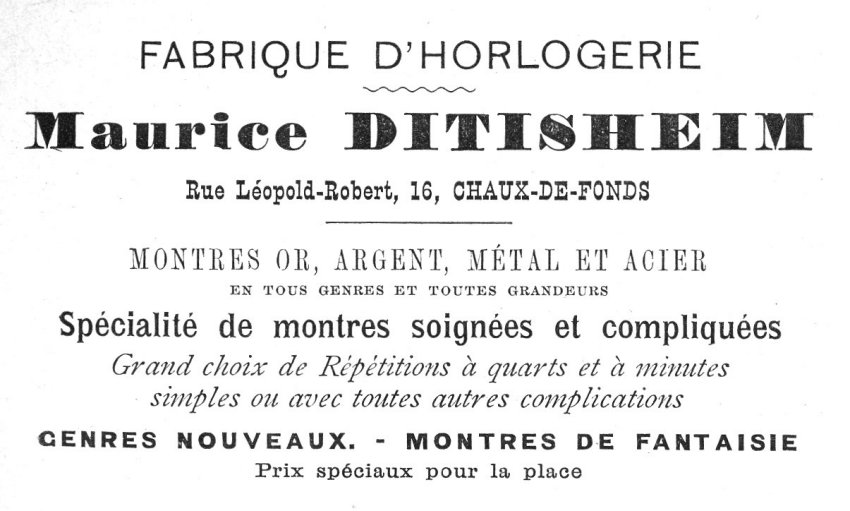
Around 1858, Aron and Maurice Ditisheim settled in La Chaux-de-Fonds under the name Ditisheim frères. Émile joined them in 1883 [1].

In 1886, Maurice remained sole head of the company, which became simply Maurice Ditisheim. In 1889, Herman and Jules Ditisheim joined the watch factory, followed by Albert in 1891 {2].

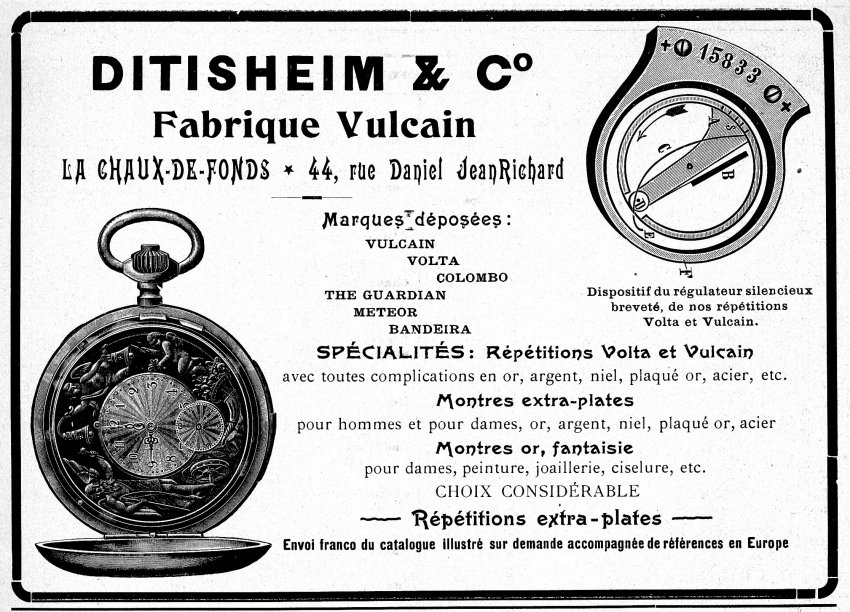
The company specializes in complicated pocket watches, particularly repeater watches.

1890

1894

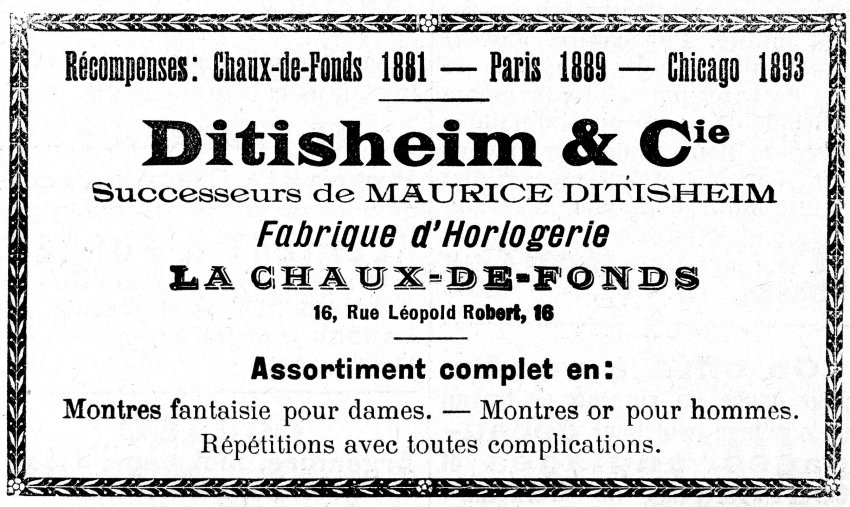
In 1893, Maurice Ditisheim left the company. Herman, Albert and Jules succeeded him under the name Ditisheim & Cie [3].

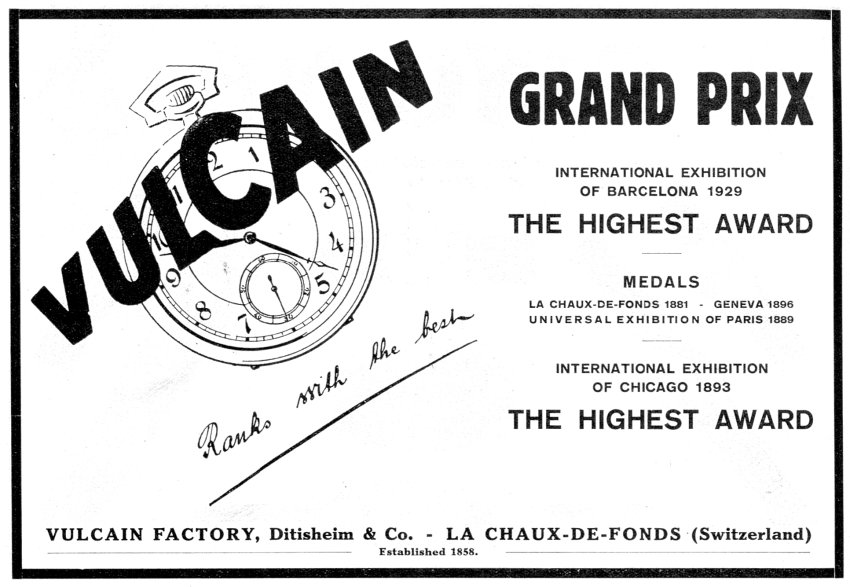
Ditisheim's watches were highly acclaimed and won awards at the major exhibitions in Paris and Chicago.

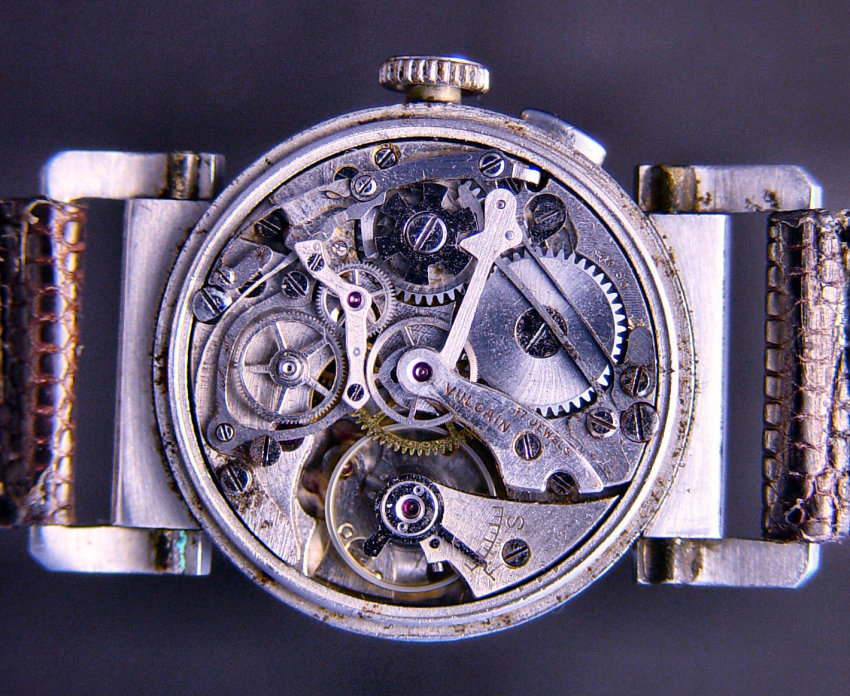
The Volta trademark was registered in 1896, and in 1898 the company added Fabrique Vulcain to its name [4]. The Vulcain trademark was registered the following year. As with many manufacturers of mass-produced repeating pocket watches, the movements for the Vulcain and Volta watches came from the famous Le Phare factory in Le Locle. Le Phare owed its success to the remarkable quality of its calibers, and to a silent regulator that made it easier to hear the chimes. In 1898, Vulcain innovated by developing its own silent regulator system [5], which today makes it easy to recognize a Vulcain caliber.

1901

1905

By 1909, Vulcain was producing wristwatches. In 1910, the company became Fabriques Vulcain et Volta.

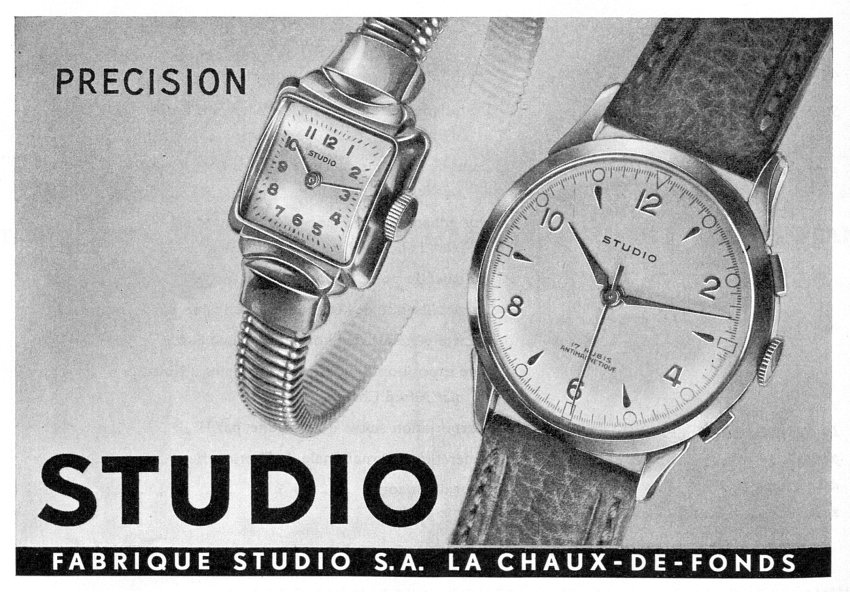
During the First World War, in 1915, the Ditisheims created Fabrique Studio, which was used as Vulcain's second, more economical brand [6].

Other members of the Ditisheim family joined the company: Charles in 1921, Robert and Maurice in 1925 [7]. Robert is an engineer, and it was under his impetus that the famous Vulcain Cricket was later developed.

A close family member, André Didisheim, also joins the Manufacture.

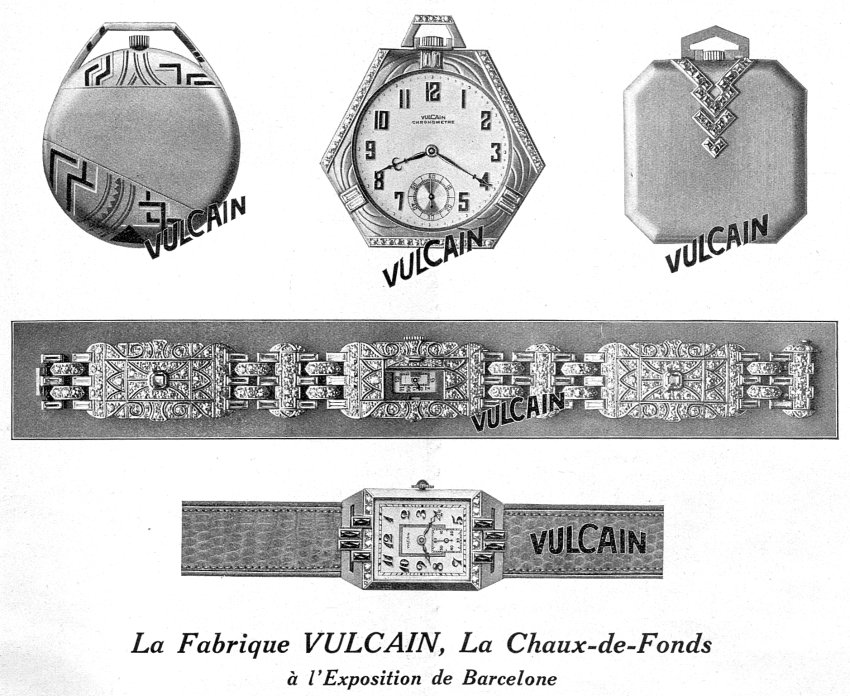
Vulcain was a manufacture producing its own movements, but now turned to the Vallée de Joux for its special calibers, such as those presented at the Barcelona Exhibition in 1929, where the company won a Grand Prix [8].

1929

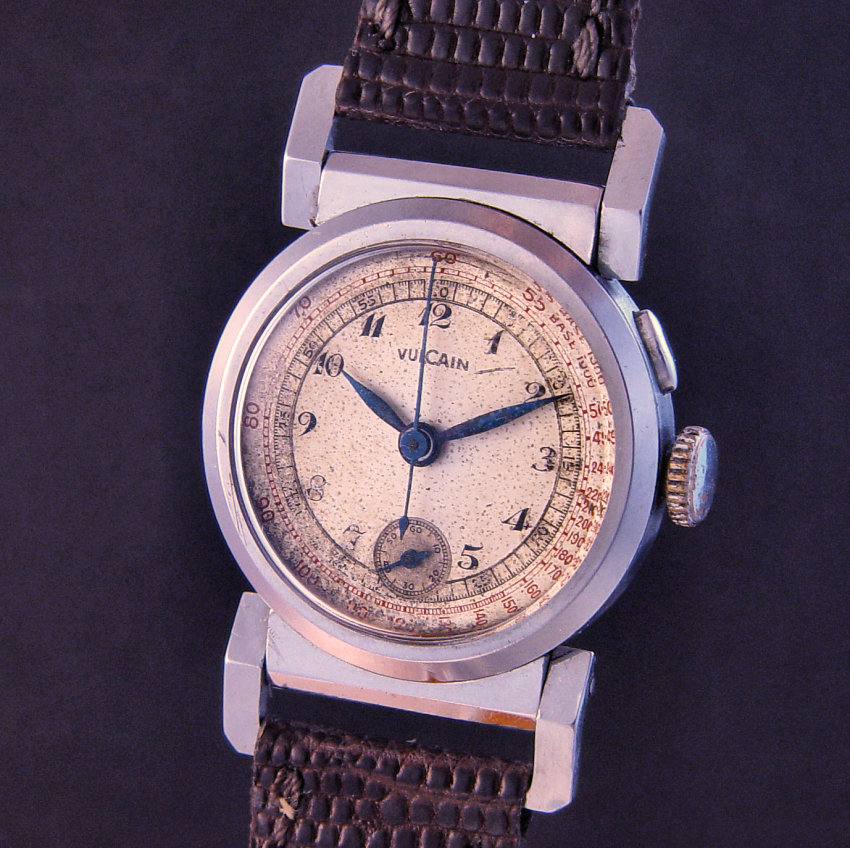
Vulcain watches are very classic, but in 1939 Vulcain developed a rare column-wheel chronograph caliber, the 65 Y, based on its 10.5-line caliber 65MS. The small size of this movement enabled Vulcain to produce very slim, elegant chronographs without counters, which were selected by Uruguay's armed forces but may also have been popular with ladies.

But for several years Vulcain had been working on a project that would make the company famous: designing an alarm wristwatch.

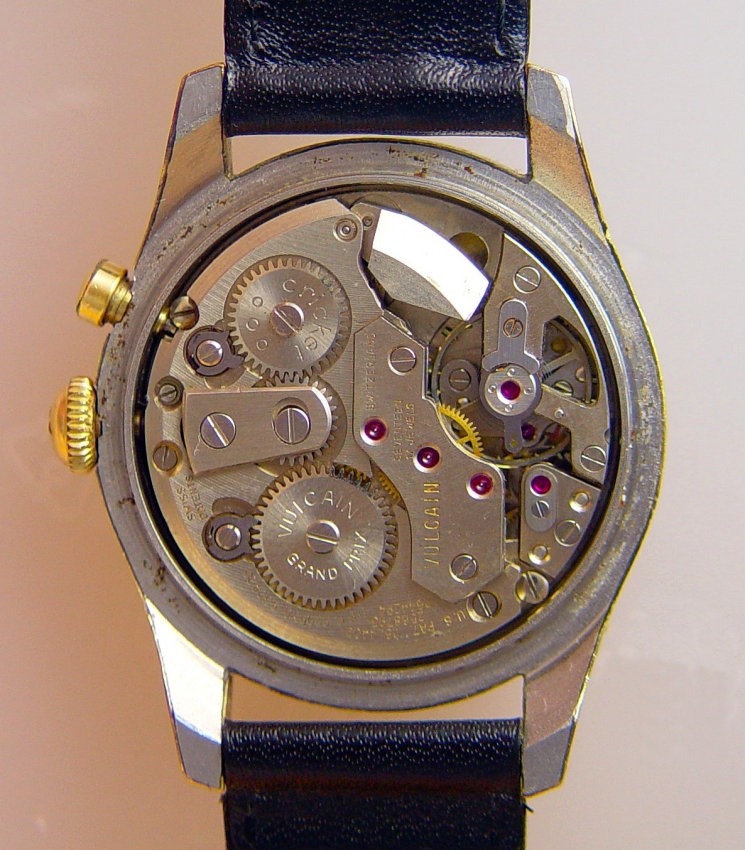
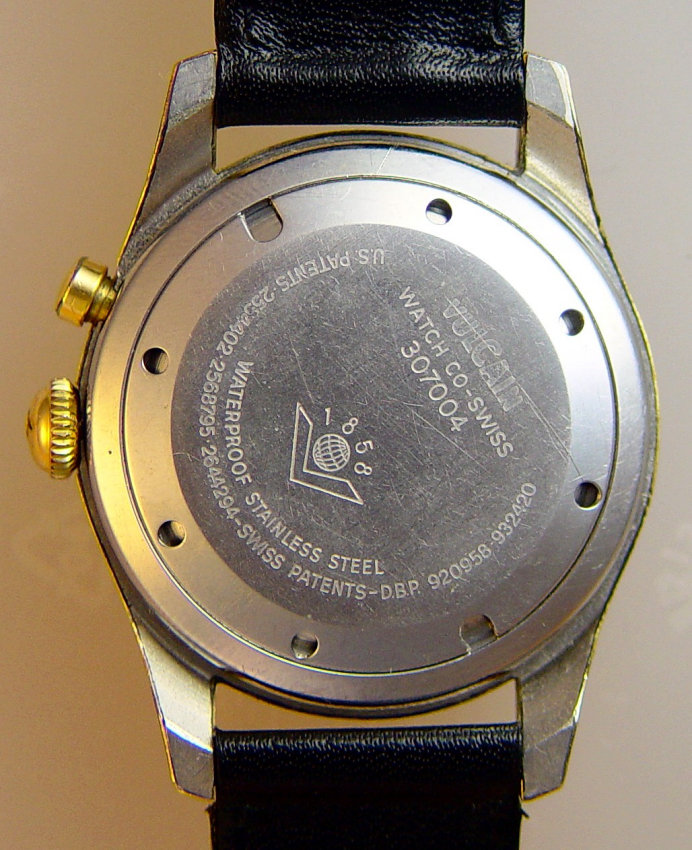
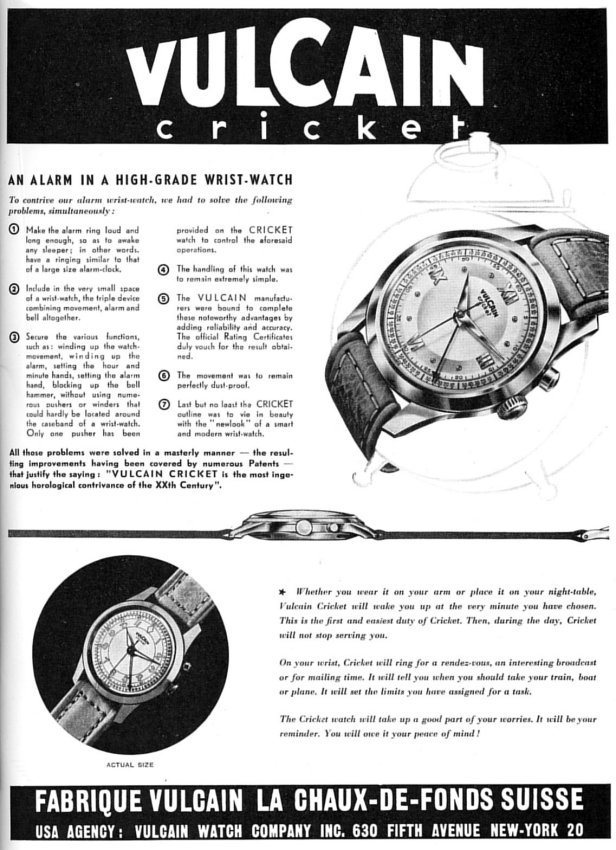
The technicians were faced with a major problem: the alarm was not loud enough to be audible. French physicist Paul Langevin, on a visit to the Manufacture, was asked about the problem and reassured everyone: if an insect as small as a cricket can make a noise audible in mid-air from dozens of meters away, then so can a watch! The solution comes from a stud judiciously attached to a membrane. When the hammer is struck, the membrane resonates and the sound is amplified by a double bottom pierced with holes [8].

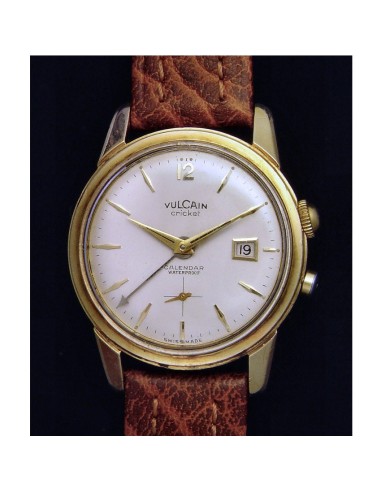
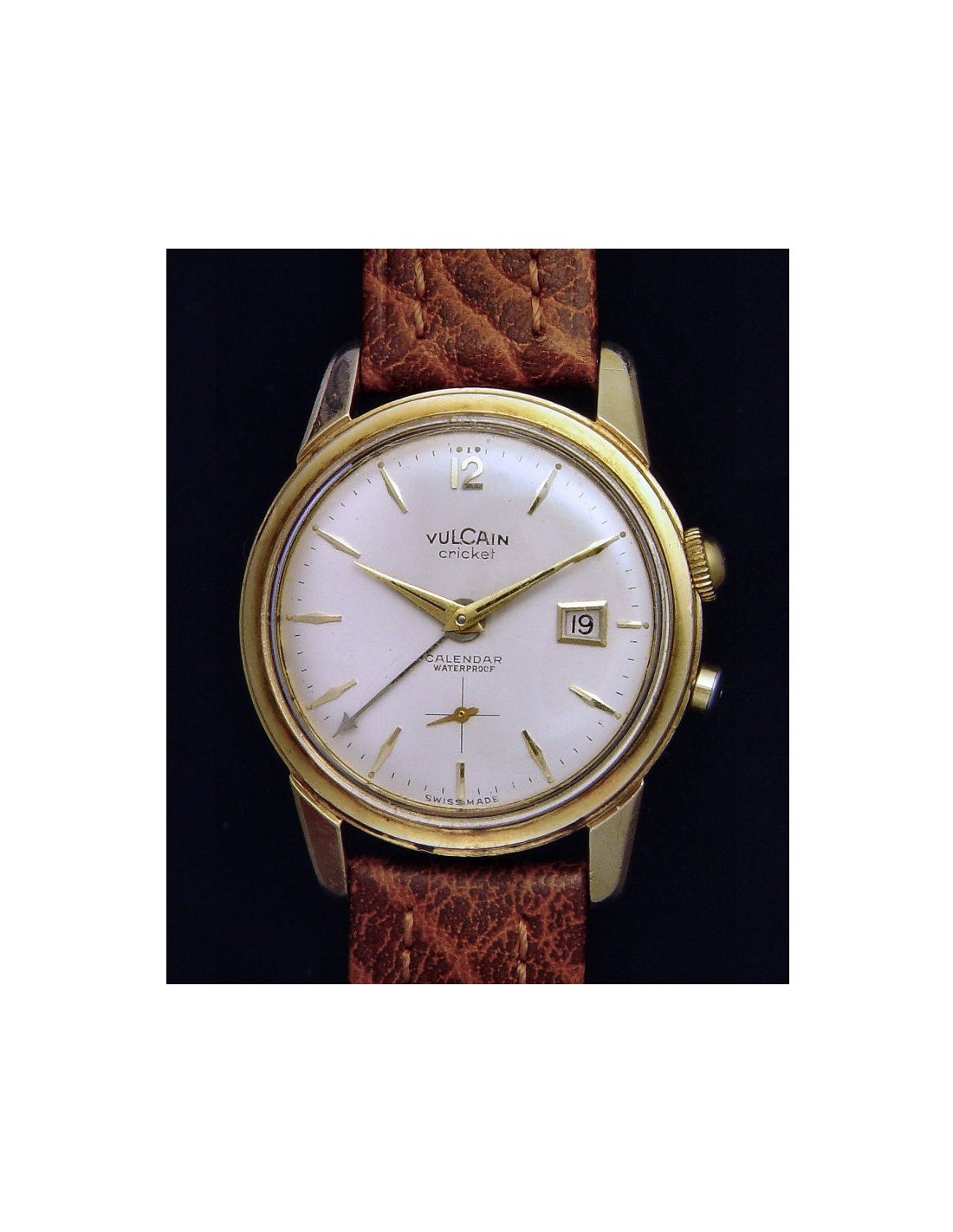
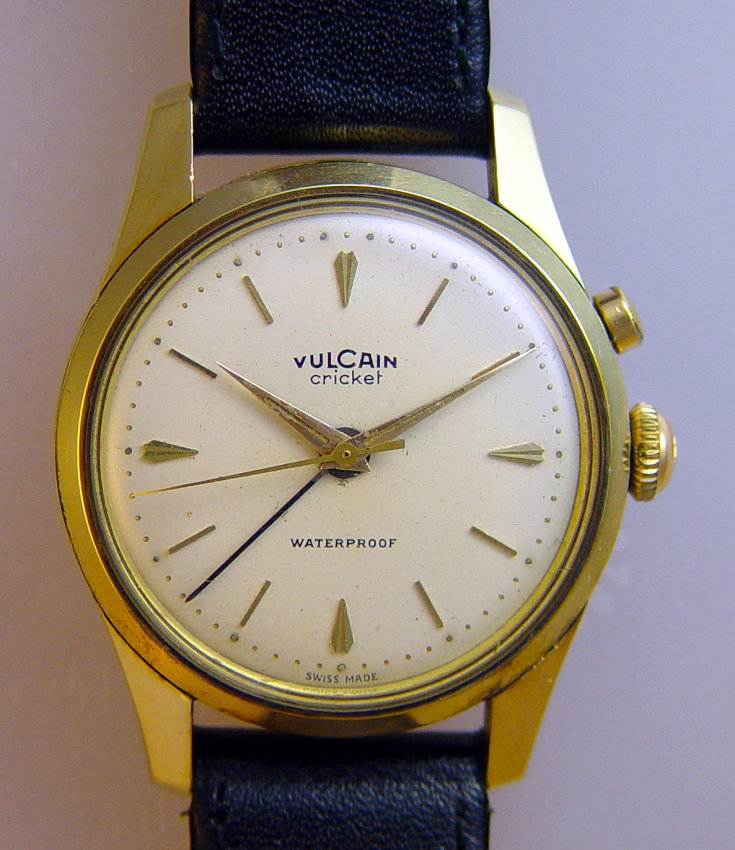
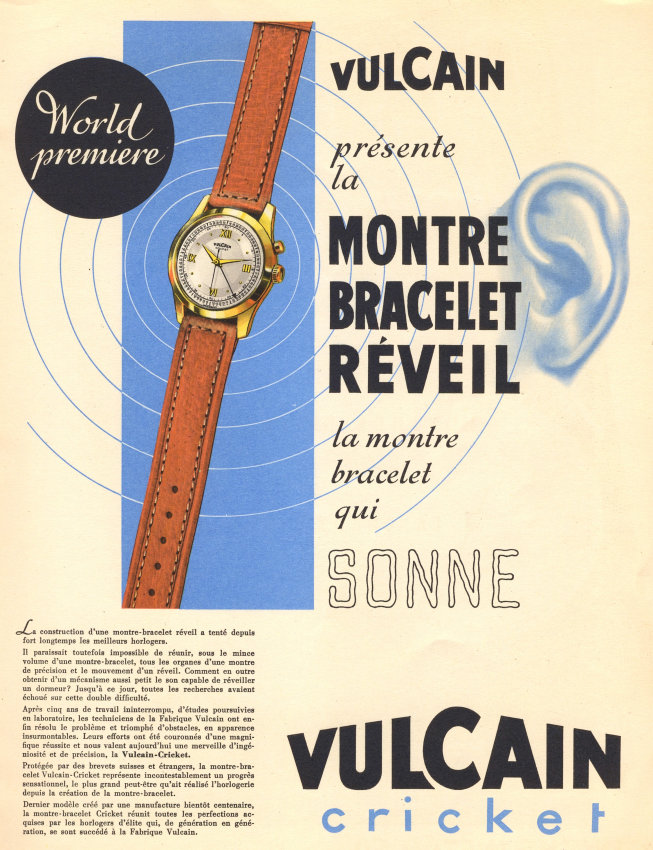
Thus was born in 1947 the Vulcain " Cricket " and its caliber 120, whose technical characteristics were remarkable: thanks to the double barrel, the powerful striking lasted almost 25 seconds; adjustment was very simple, requiring only a winding crown, winding in both directions, at 3 o'clock, and a single pusher at 2 o'clock. The watch even had a central seconds hand, which was unusual at the time. Last but not least, it was a model well in tune with the times: with the boom in trade and travel, the watch woke up the business traveler, who stayed at a different hotel each night, reminded him of an appointment or a phone call to make, or warned the motorist of the end of a parking period.

1948

1948

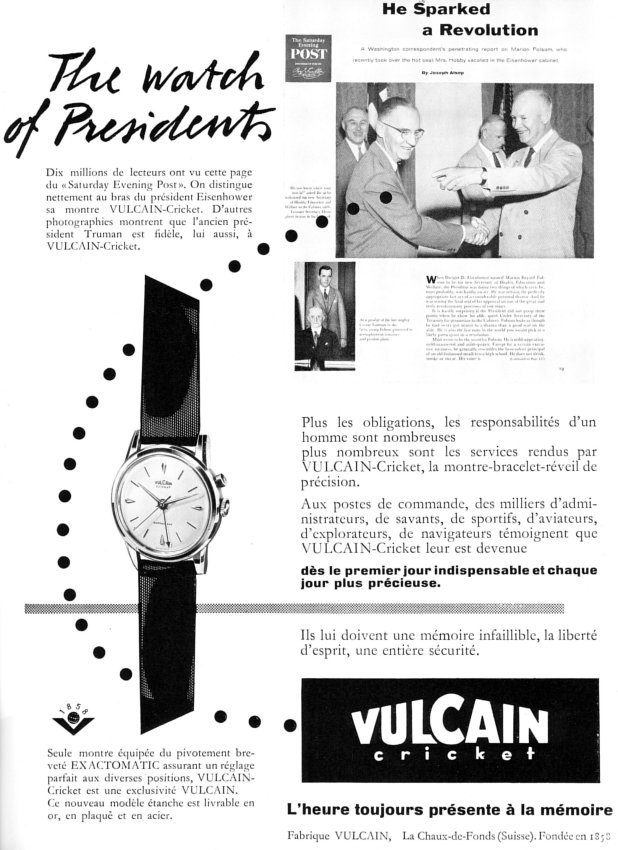
Who donated the President's watch [9] ?

The Vulcain Cricket has been worn and appreciated by several Presidents of the United States of America. One might think that these were initiatives skilfully orchestrated by the Maison Vulcain to promote their production. They were not. President Harry Truman's Cricket, the lucky man who a few years earlier had been presented with a gold Universal Tri-Compax for the signing of the Potsdam Accords, was given to him in 1952 by the President of the White House Photographers' Union. Perhaps so as not to forget the photo shoots... General Dwight Eisenhower, who in the 1950s signed the protectionist agreements limiting imports of Swiss watches into the USA, was wearing one that rang one day during a press conference. "Switzerland has taken its revenge", murmured the people of Neuchâtel...
1957

Lyndon Johnson bought his own Cricket during a visit to Geneva and had it overhauled by Vulcain in 1964, earning the Chaux-de-Fonds company a warm letter of thanks. President Nixon 's letter was presented to him by the President of the American Watch Importers. No hard feelings... As for Ronald Reagan's watch, it was given to him by Vulcain's Finnish agent during one of the President's trips to Helsinki.

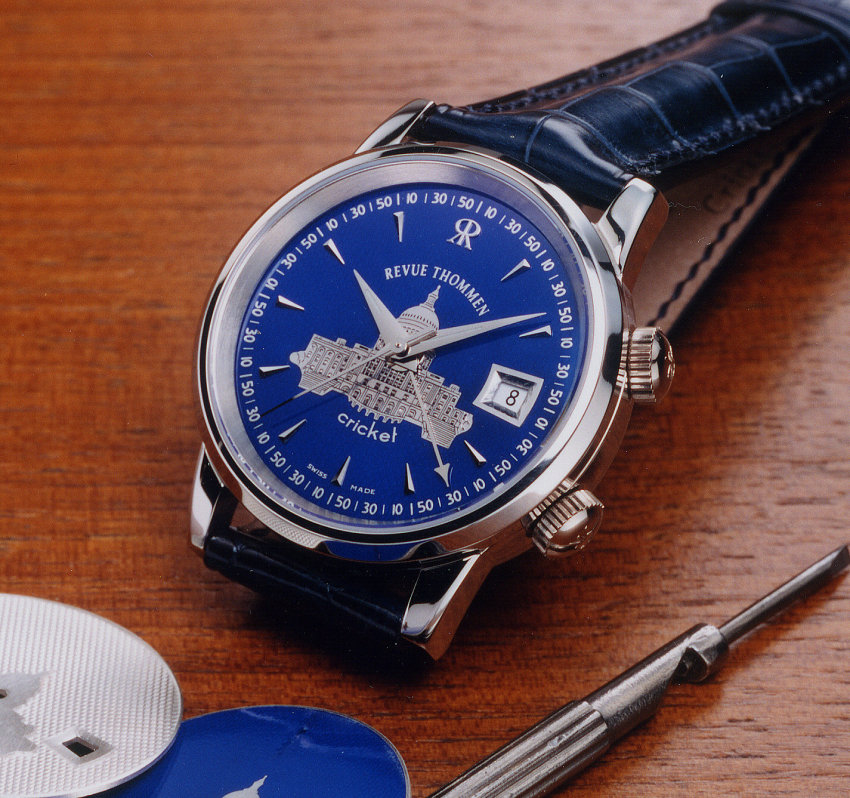
In fact, two watches were later offered directly by Revue-Thommen: one for President George Bush and the other for President Bill Clinton.
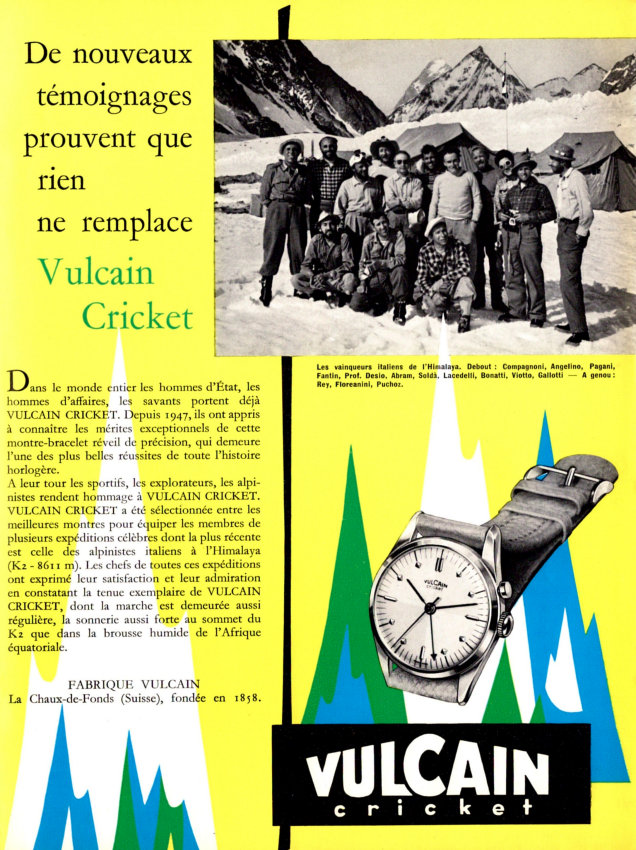
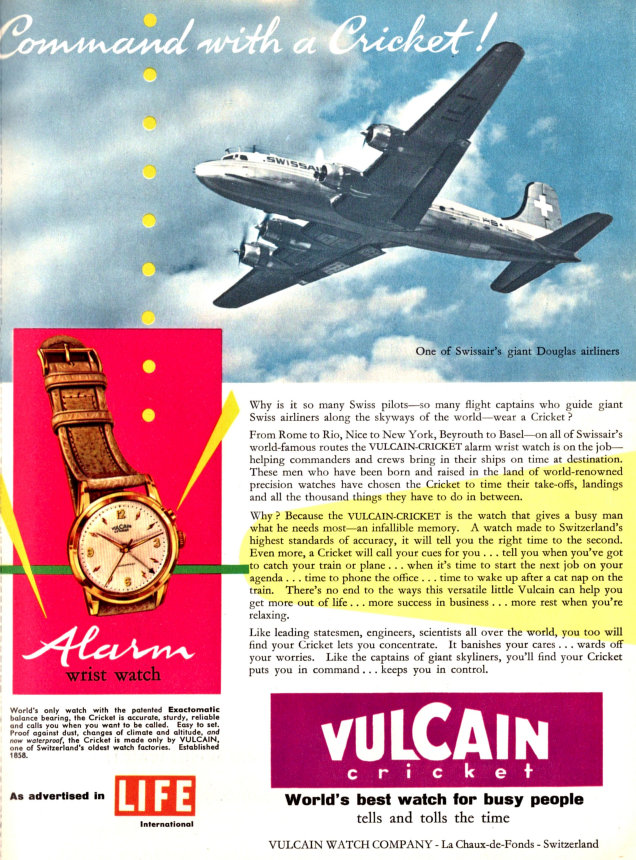
The launch of the Cricket model gave the company a creative boost. Firstly, in the promotional field, with the Vulcain Cricket accompanying missions to explore the world's highest peaks, such as the French and Italian expeditions to the Himalayas in 1953 and 1955, and advertisements in the world's leading magazines.

1955

1956

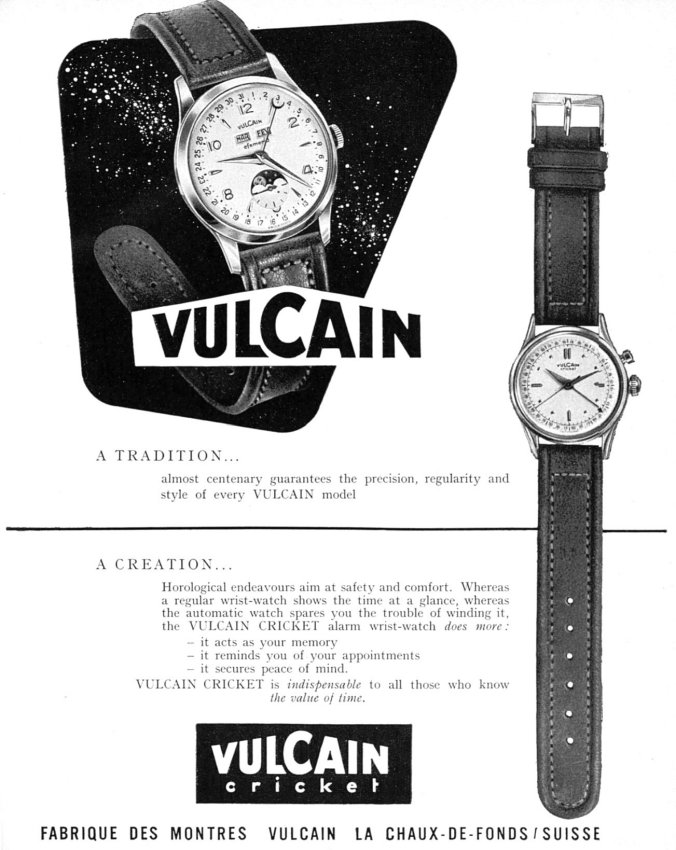
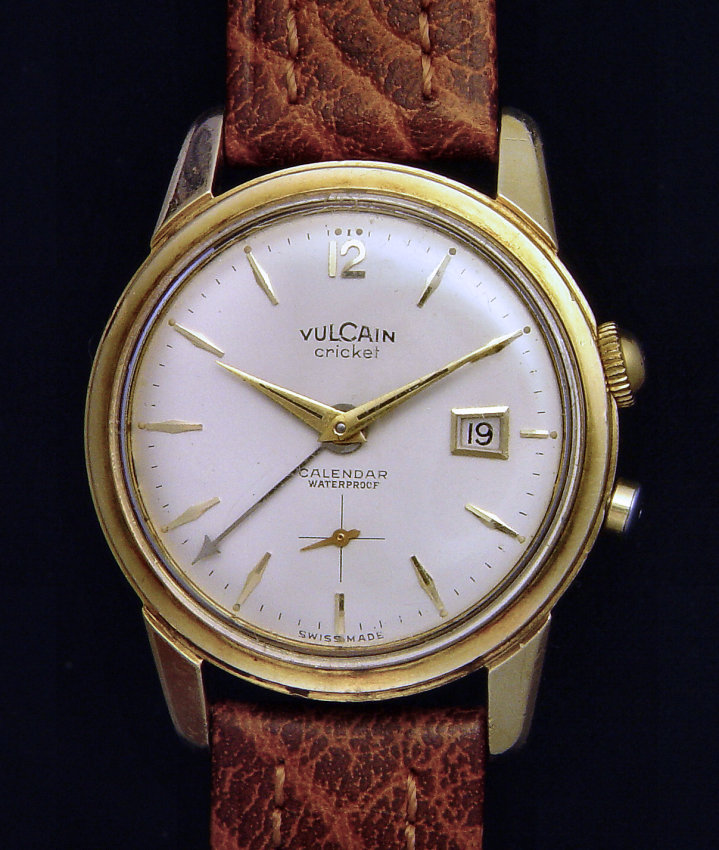
The Manufacture also launched other new models, such as the Vulcain Efemerid, around 1952, and the Cricket-Calendar, in 1957, featuring a new caliber, the 401, with a date window at 3 o'clock and small seconds at 6 o'clock. A single barrel winds both the hourly movement and the alarm, with a device that limits the duration of striking to 15 seconds to avoid totally discharging the mainspring. Despite its features, the caliber 401 was not a great success, and failed to dethrone the traditional caliber 120.

1952

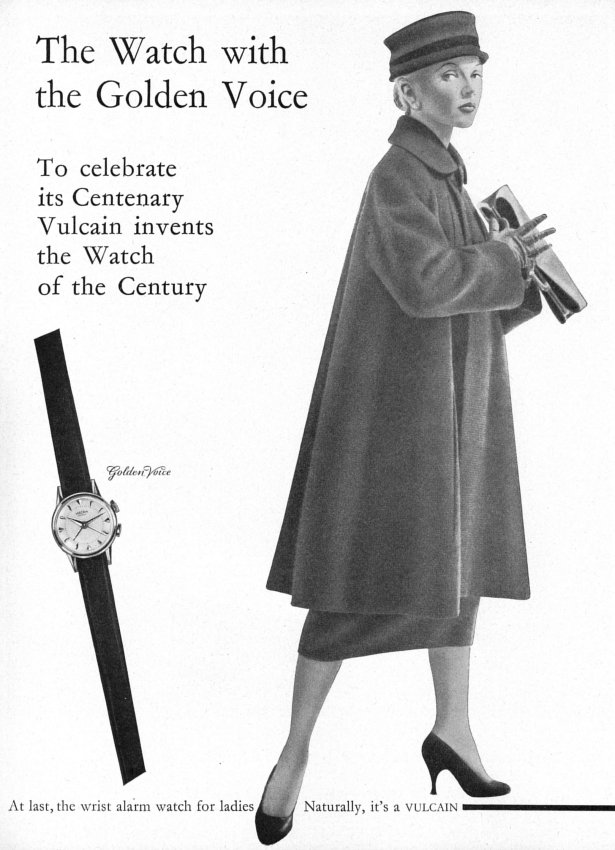
By 1958, the Cricket was already over 10 years old, and the company was facing increasing competition. Vulcain launched a remarkable ladies' alarm watch, the famous Cricket Golden Voice [9].

1958

Adding extra functions to ladies' watch movements requires miniaturization feats on the part of the designers. The Golden Voice, caliber 406, is a case in point: for 8.75 lines in diameter (19.5 mm), the movement is only 5.25 mm thick, despite the presence of a direct center second and 44 additional parts compared to a simple movement. Particular attention has been paid to the acoustics of the alarm. Because of the reduced size of the membrane, several materials had to be tested to determine the one with the best acoustic performance. In the end, gold was chosen, both for the power of its sound and its resistance to corrosion. The Golden Voice is aptly named.

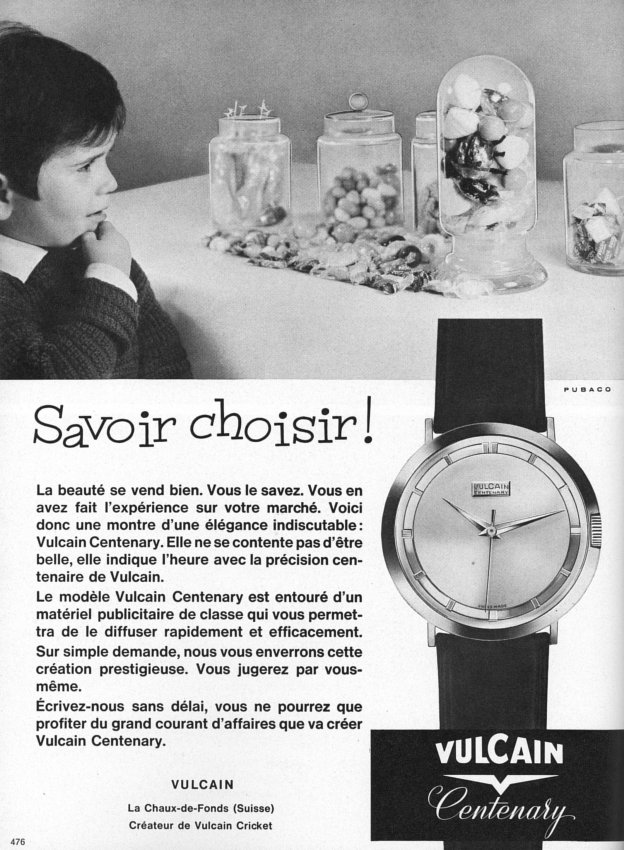
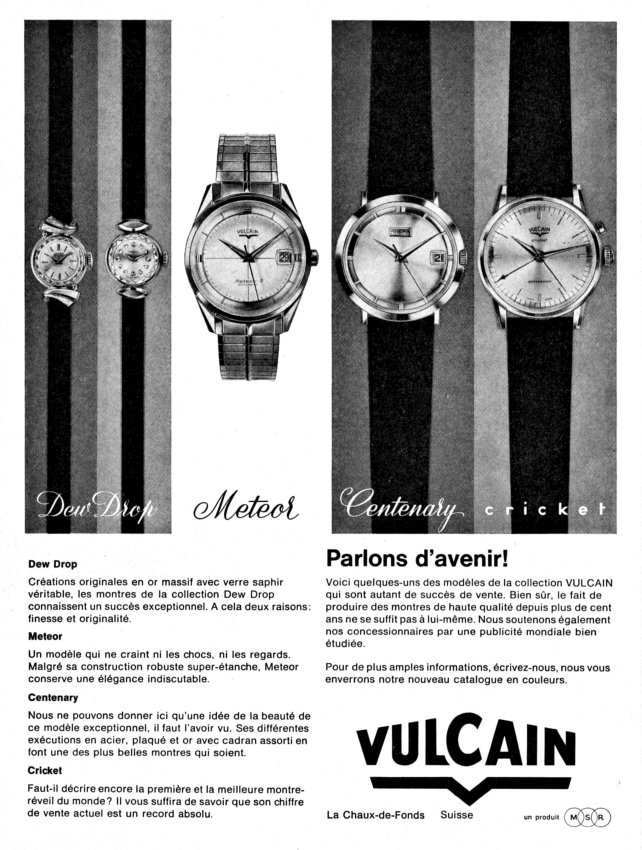
In 1958, to mark the company's centenary, Vulcain also launched the Centenary model, of which there are several versions.

1960

In 1959, Fabrique Studio merged with Vulcain to become Fabrique des Montres Vulcain et Studio [10].

1950

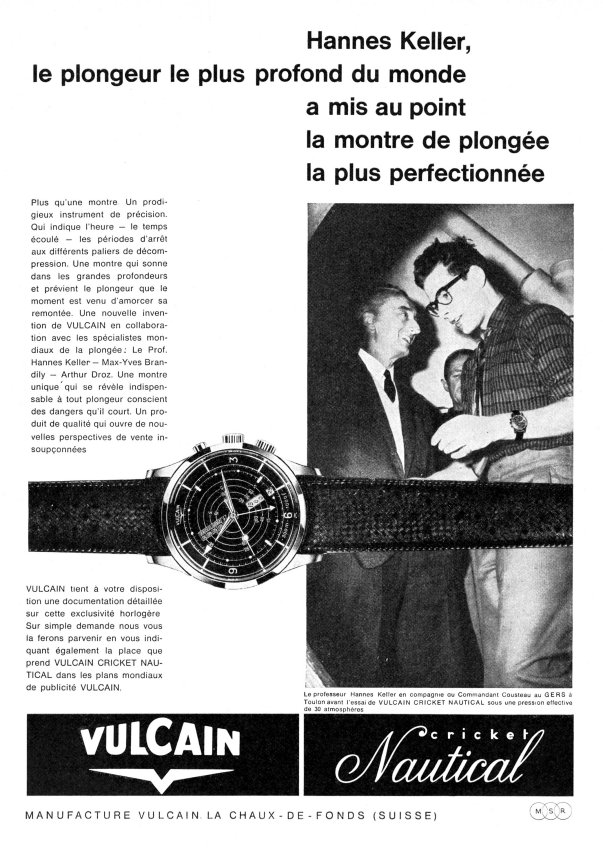
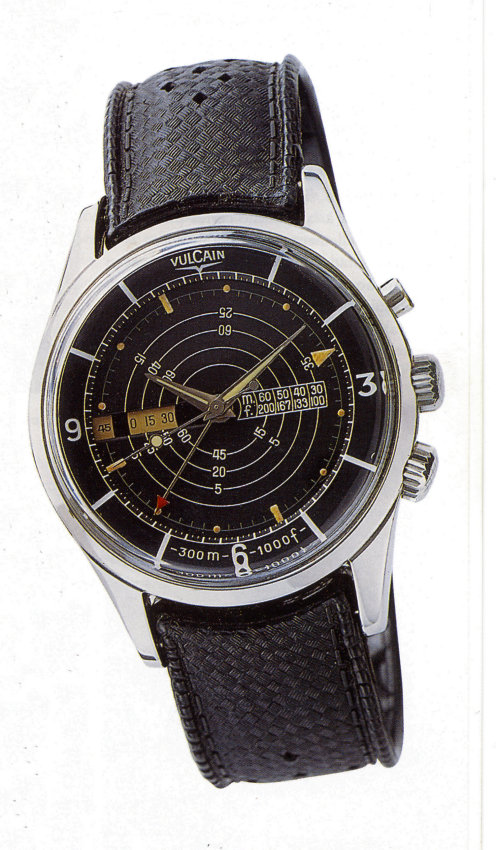
Finally, in 1961 Vulcain launched its technical masterpiece: the Cricket Nautical.

A conventional self-contained diver, breathing compressed air, can scarcely exceed a depth of 60 to 70 meters. However, the continental shelf, the vast unexplored underwater surface along the entire length of the continents, lies at a depth of around 200 to 250 meters. At the end of the 50's, Prof. Hannes Keller of Zurich, a mathematician and deep-sea diver, developed gas mixtures that not only made it possible to descend to such depths, but also considerably reduced the decompression time required for ascent. These pioneers needed a time-measuring instrument to match their ambitions. So Hannes Keller teamed up with explorer and filmmaker Max-Yves Brendily and national diving instructor Arthur Droz to develop the first diving alarm watch in collaboration with Vulcain: the Cricket Nautical [9].

The specifications were exacting: the watch had to be waterproof to 300 meters, display decompression stops and sound clearly in the water to warn one or more divers.

1962

Water-resistance was achieved by constructing a case with three superimposed bottoms, thin enough to produce powerful vibrations and strong enough to withstand pressures of around 30 atm. For decompression stops, the traditional rotating bezel of diver's watches was eliminated and replaced by a central dial that rotates by means of an additional crown. The central dial is placed above the first dial, which is fixed. It has a rectangular opening at the side, through which you can read the stopping times at the classic 9-, 6- and 3-meter levels. The glass itself underwent extensive research and was replaced by a particularly resistant plastic. The movement used was the classic calibre 120, and the sound obtained was all the more powerful as water conducts vibrations much better than air. The Cricket Nautical watch was first used in 1961 and accompanied Hannes Keller when he broke several diving records, reaching 300 meters in the high-pressure chamber of the GERS in Toulon, under the friendly eye of Commandant Cousteau.

2. Integration into Manufactures Suisses Réunies (MSR)

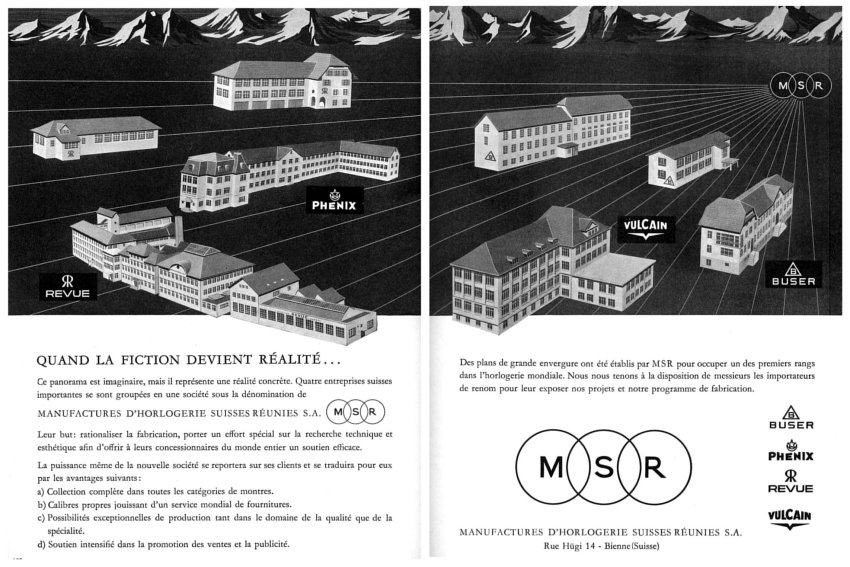
With the end of the statut horloger, which had protected the Swiss watchmaking industry since the 1930s, Swiss manufacturers faced stiff competition from abroad in the early 1960s. This marked the beginning of company mergers, encouraged by the Fédération Horlogère and ASUAG, with the aim of pooling resources and skills. Four companies joined forces to become more competitive: Revue Thommen, Vulcain, Phénix and Buser Frères.

In 1961, this led to the creation of Manufactures d'Horlogerie Suisses Réunies, or MSR [11].

1962

MSR is a substantial group: with its 760 employees, it has a production capacity of over 600,000 watches/year [12]. Revue Thommen is the largest company in the group, but to avoid having too much decision-making power, it holds only 48% of the holding company.

All blanks are now manufactured at Revue Thommen, but each factory has its own strategy and sales department. The administrative side of the business remained in La Chaux-de-Fonds, however, and the separation gradually became clearer: instruments and machines in Waldenburg, watchmaking in La Chaux-de-Fonds.

At first, the association with MSR was favorable to Vulcain, which launched new models such as the Meteor II waterproof watch in 1963, and new versions of the Cricket models.

1963

1969

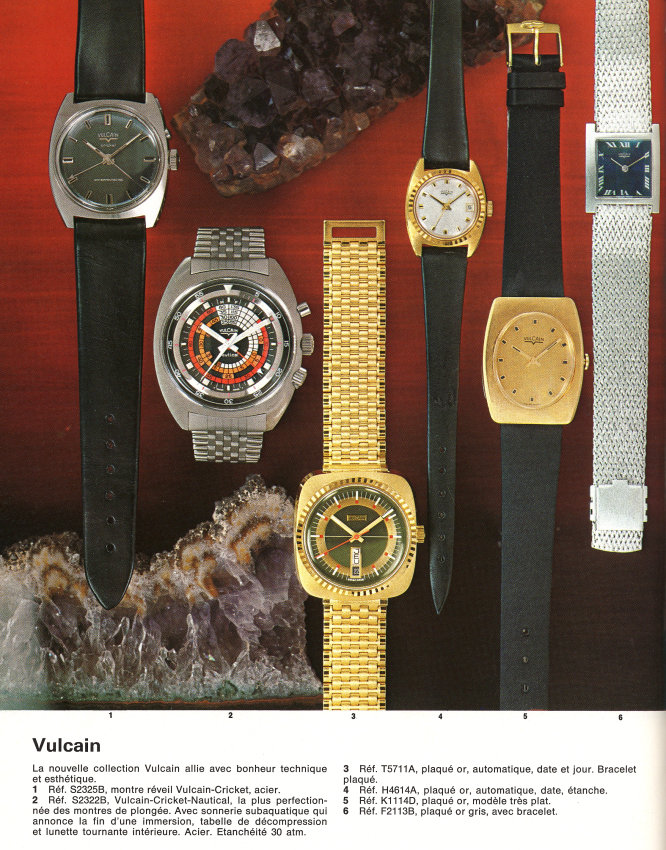
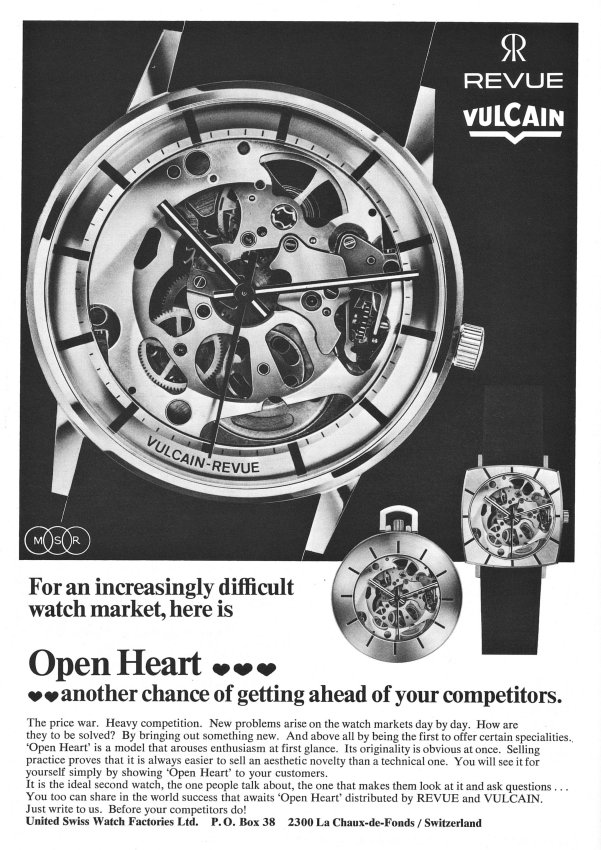
During the difficult years of the "quartz crisis", MSR's business was rationalized. The Buser and Phénix brands were abandoned in favor of Revue and Vulcain.

1970

But even the Vulcain brand was gradually abandoned. So when the famous Cricket model was reissued with its original caliber in 1987, it was under the name Revue Thommen.

1997

Fabrique des Montres Vulcain et Studio lived on for a few more years. In 1999, the company's headquarters were transferred to Waldenburg, where Revue-Thommen is located [13], and in 2000 the company was declared bankrupt [14].

In 2001, the Vulcain and Cricket brands were taken over by Production et Marketing Horloger [15], and production of Vulcain watches was relaunched.

The Vulcain factory still exists today, and its website can be found here.

See also Revue Thommen

[1] FOSC 1883

[2] FOSC 1889-1891

[3] FOSC 1893

[4] FOSC 1898

[5] Patent CH 15 833

[6] FOSC 1915

[7] FOSC

[8] La Suisse Horlogère, 1949, 1, p. 53

[9] Joël Pynson, Les montres-bracelets réveil, Chronométrophilia, 2003, 54, p. 17

[10] FOSC 1959

[11] La Suisse Horlogère, weekly edition, 1961, 37, p. 824

[12] Journal Suisse d'Horlogerie, 1962, 1, p. 63

[13] FOSC 1999

[14] FOSC 2000

The archives of Fédération Horlogère, Davoine and l'Impartial are available online at www.doc.rero.ch

The archives of Journal Suisse d'Horlogerie, Europa Star, Revue Internationale d'Horlogerie and Suisse Horlogère are available at The Watch Library

The FOSC (Feuille Officielle Suisse du Commerce) is available on E-periodica

Notes :

About Time To Tell: Time To Tell has one of the largest private digitized databases on the history of Swiss watchmaking, with over 2.3 TB of data on more than 1,000 Swiss watch manufacturers. This database has been built up over a period of some thirty years, and continues to be fed with around 50 to 100 GB of data every year. The database is made up of old documents, mainly Swiss trade journals, dating from the late 19th to the late 20th century. Most of these documents are not available on the Internet. Historical articles published on the time2tell.com website always cite the sources used.

Time To Tell is a private company, independent of any watch manufacturer.

©Time To Tell, 2025 

Reproduction forbidden without authorization.

Any use of this article by artificial intelligence is strictly forbidden and will be considered an infringement of copyright.

Product Details

Product added to wishlist

Nous utilisons des cookies afin de fournir une expérience utilisateur conviviale. En naviguant sur ce site, vous acceptez la politique d'utilisation des cookies.