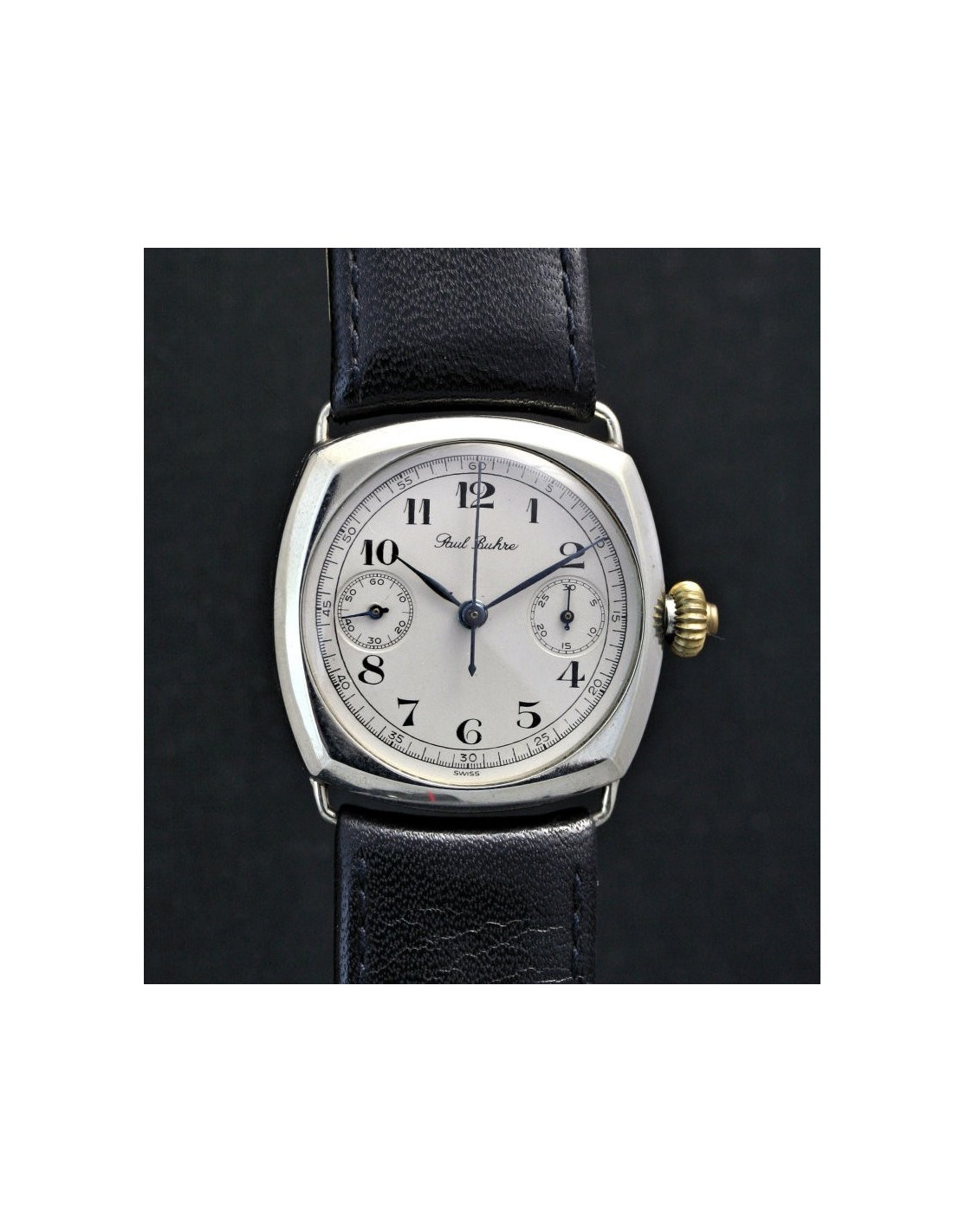
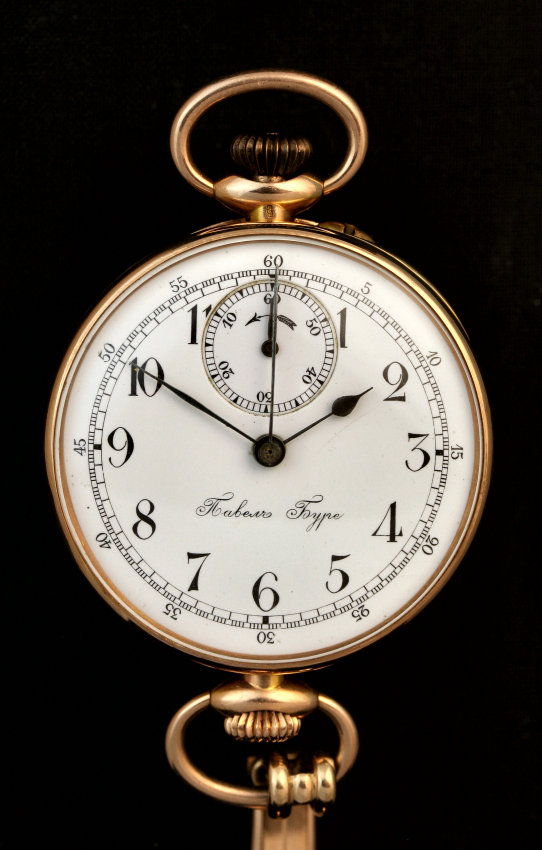
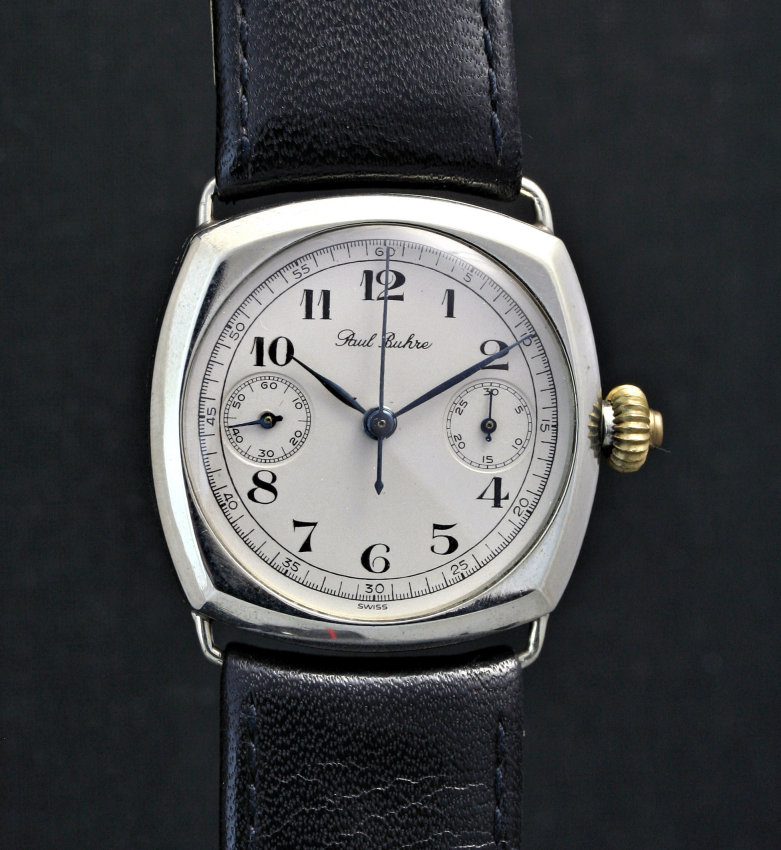
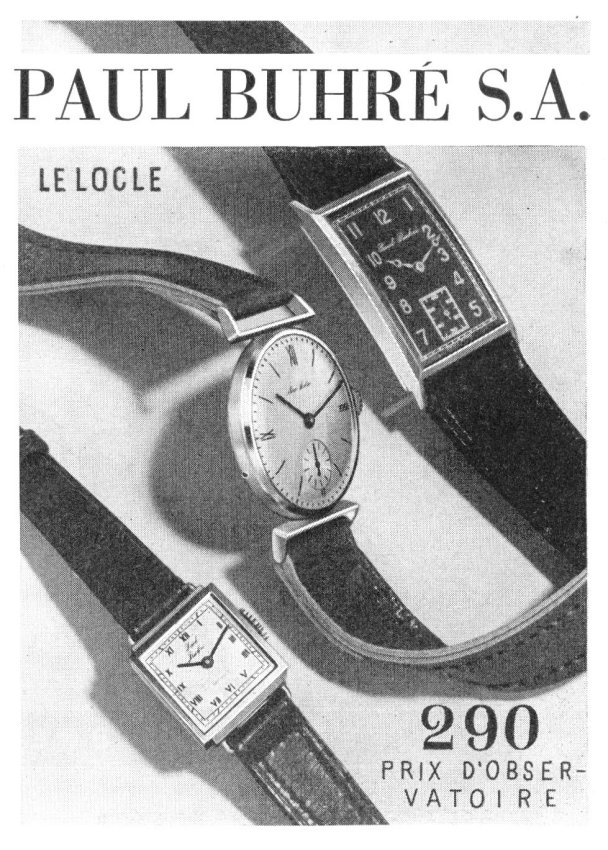
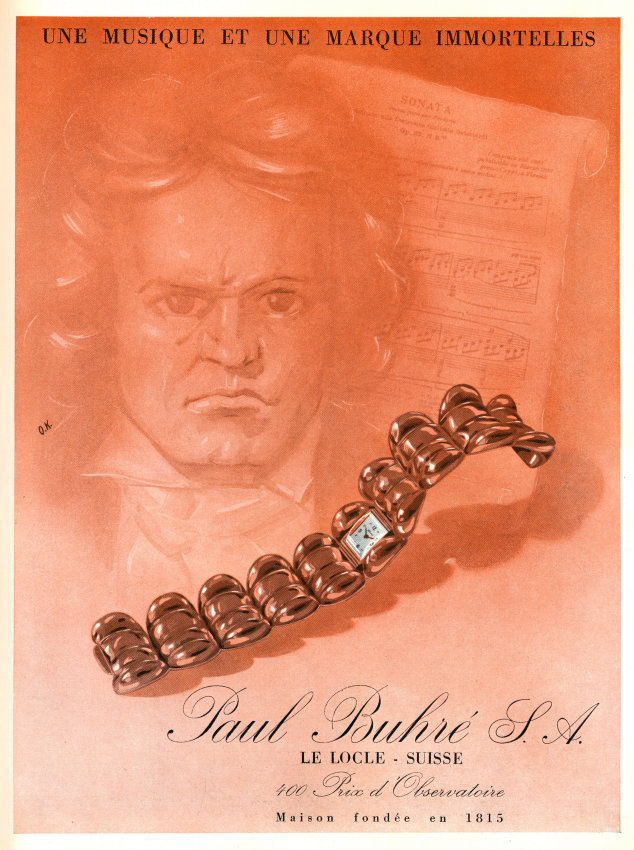
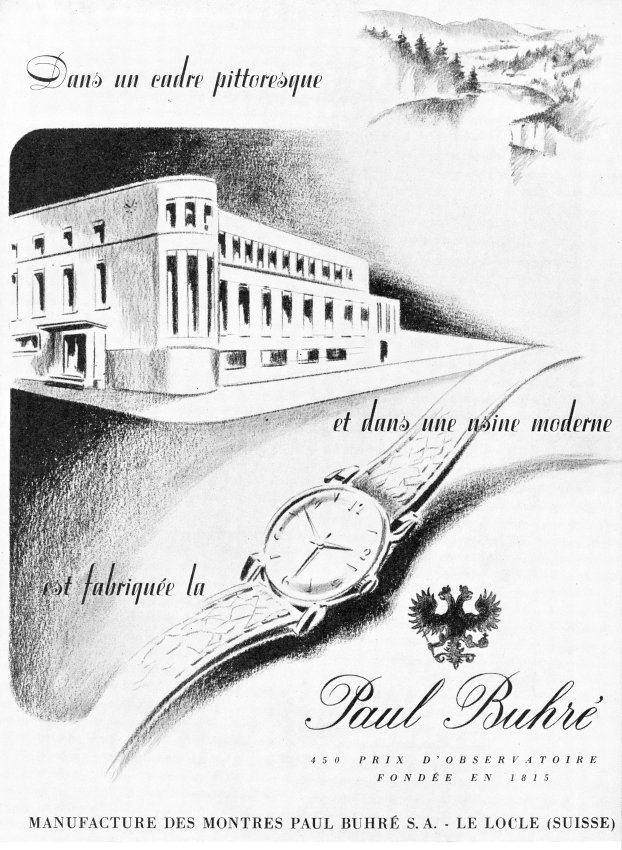
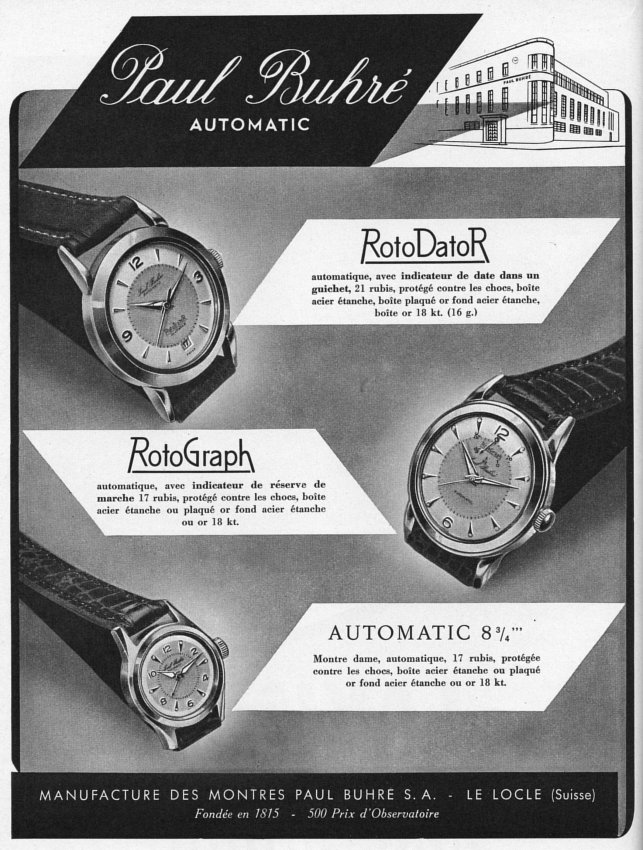
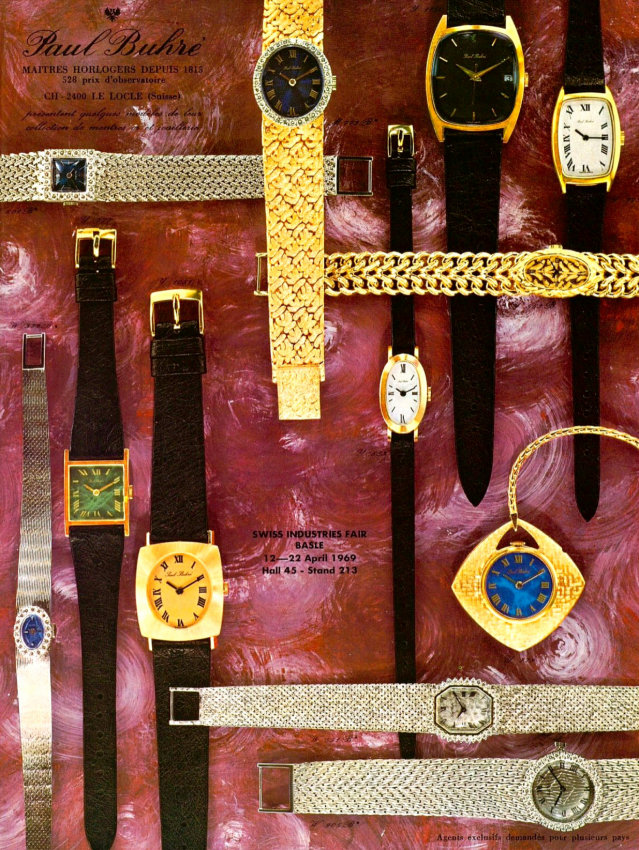
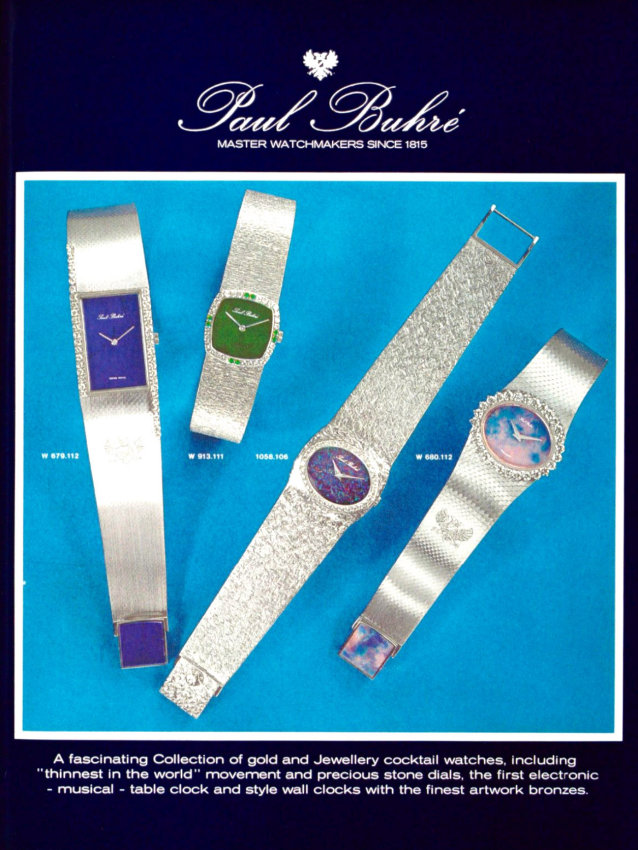
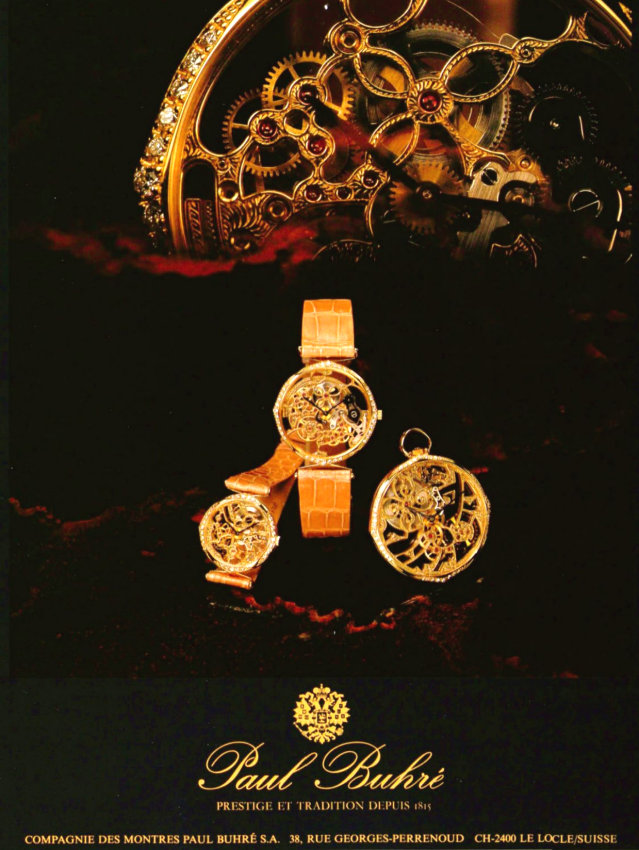
At the 1900 Paris International Exposition, the Paul Buhré watchmaking firm received a gold medal for richly decorated watches intended for the Russian imperial family [3].
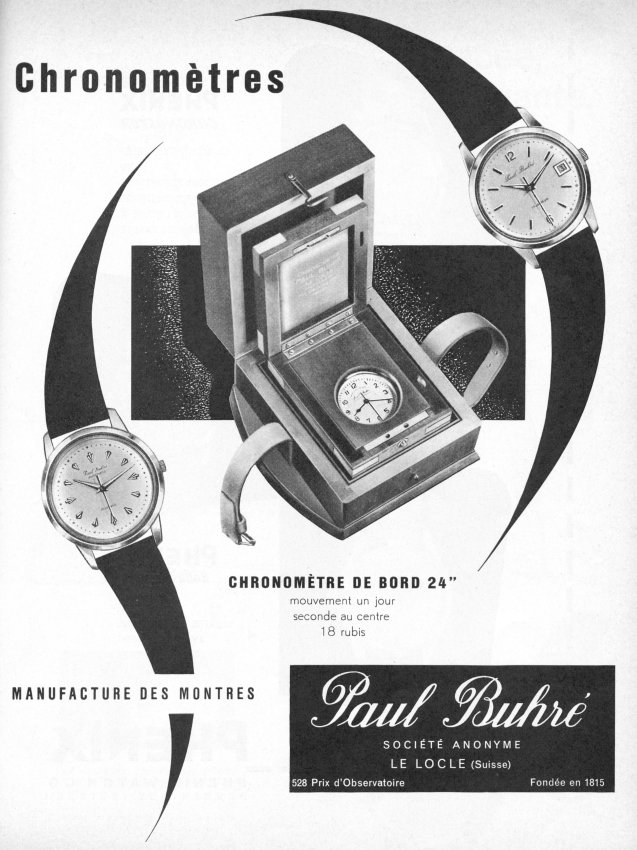
The watches manufactured in Le Locle are not only beautiful—they are also precise. They won prizes in the precision competitions held by the Neuchâtel Observatory in 1901, 1904, 1905, 1906, 1908, 1909, 1910, and so on.
In 1908, the Othenin-Girard frères company was taken over by Louis-Alexandre Girard under the name Alexandre Girard [4].
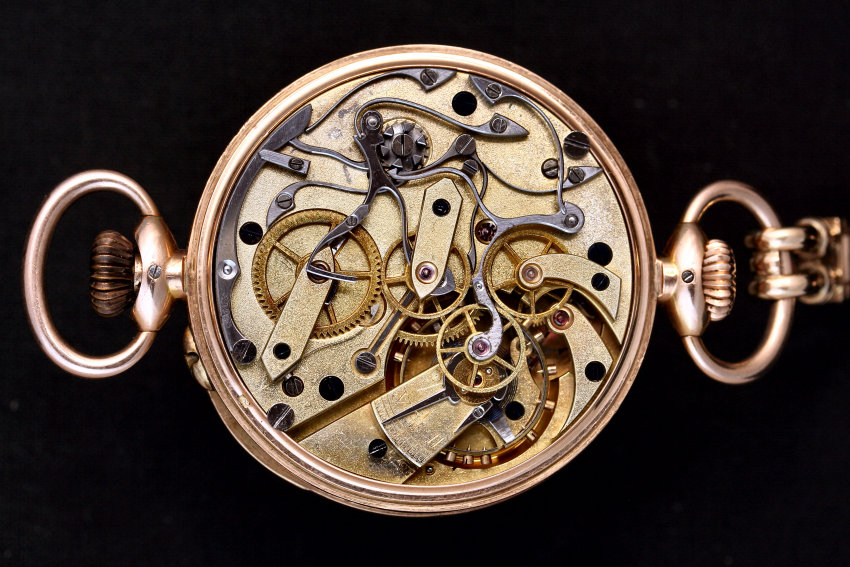
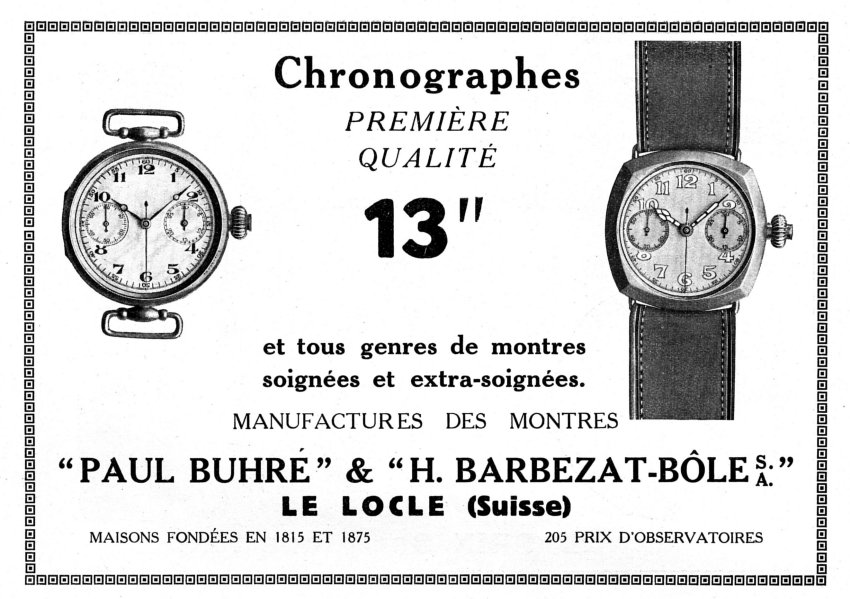
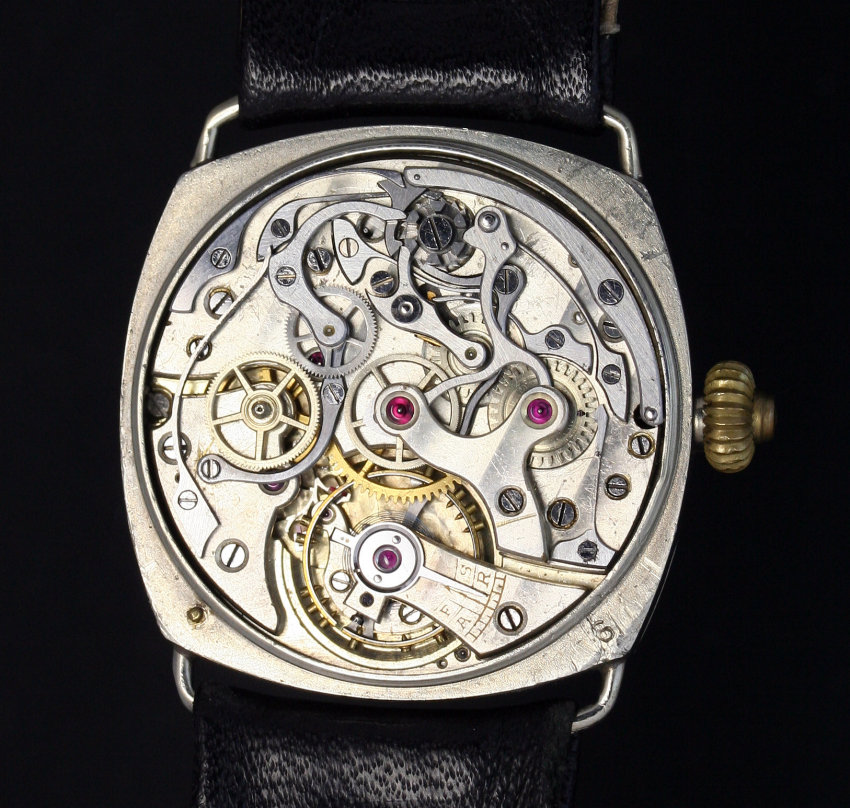
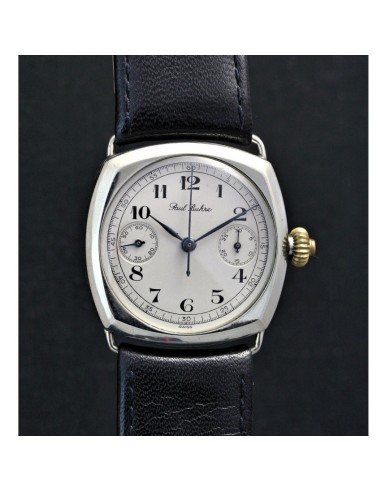
In 1916, the Paul Buhré factory filed a patent in Switzerland for a “return” chronograph mechanism: when the pushbutton is pressed while the chronograph hand is running, the hand moves backward at the same speed. This mechanism predated by about twenty years the return mechanisms used during World War II in bomber aircraft [5].
The Bolshevik Revolution dealt a fatal blow to the parent company in Saint Petersburg: “All these goods and supplies seized from hundreds of watch stores in Moscow were transported to an official distribution center, just like every other type of merchandise. Then the fixtures of the watch stores—display cases, counters, and furniture—were also gradually removed and used in Bolshevik administrative offices. Initially, three of Moscow’s leading watch stores—the Buhré, Gabus, and Moser stores—were selected as the premises for the Watch Distribution Center, where the distribution of the seized goods was organized. Subsequently, these three establishments were merged into a single entity, the Soviet Watch Store No. 1, and a second store, No. 2, was set up in another part of the city. That is all that remains today in a city of two million inhabitants, of the hundreds of watch stores of yesteryear... just two official stores.” [6].
In 1919, the Paul Buhré company was relocated to Le Locle, Switzerland, as a public limited company (SA) managed by the Girard family. Paul-Alexandre Girard served as its director [7].