Ébauches SA played a central role in Swiss watchmaking in the 20th century. Its history is worth examining because it shows how a nation's official structures can mobilize around an industry deemed to be of national interest [1].
In the early 1920s, the Swiss watch industry was in crisis. While strong demand was expected after the First World War and many companies had invested to increase their production capacity, the market collapsed and prices fell. There was actually an overproduction of watches, and especially of movements. This led to the idea of creating a holding company to control the manufacture of watch movements.
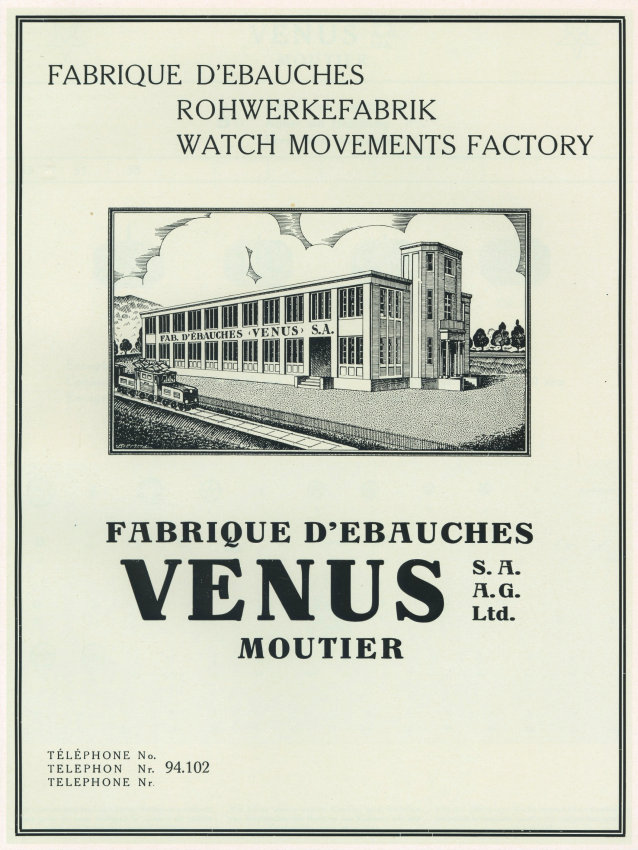
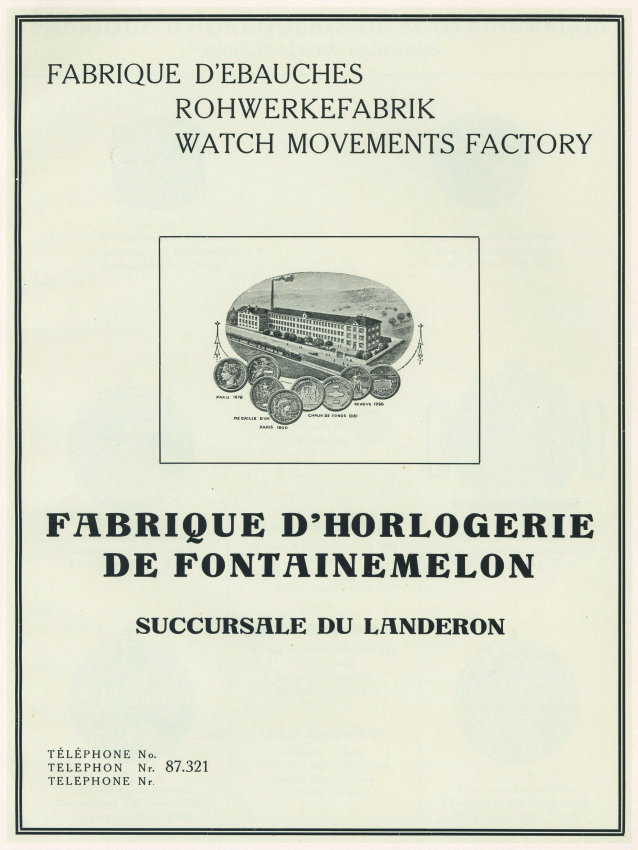
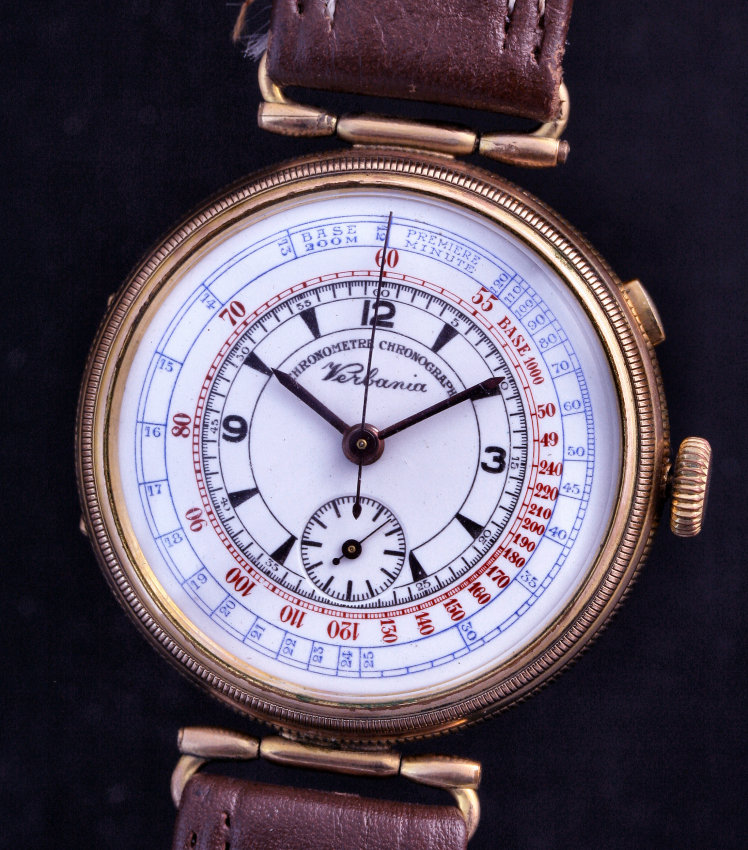
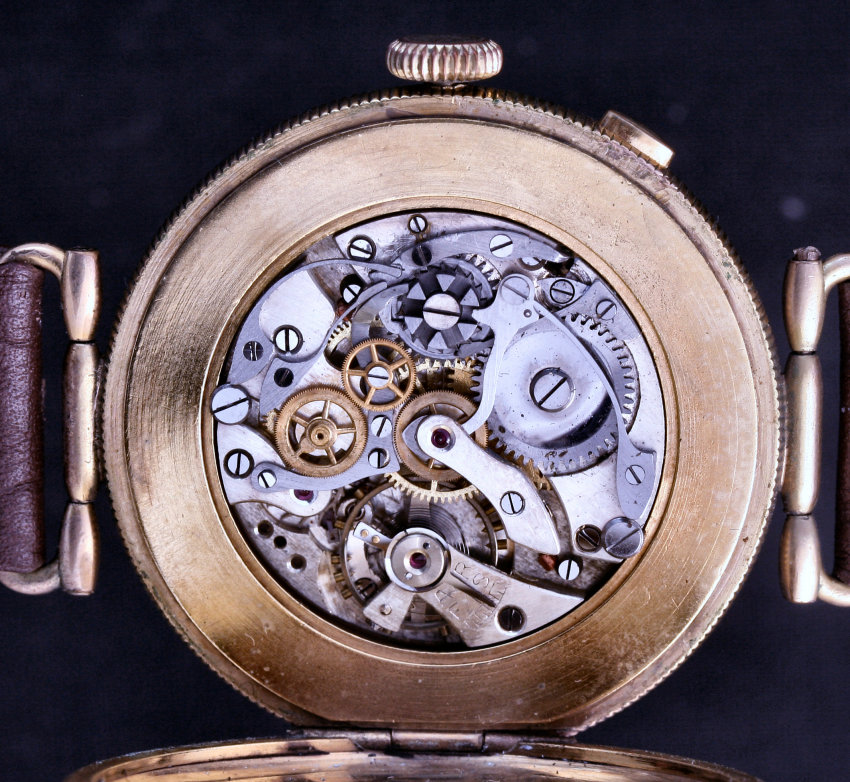
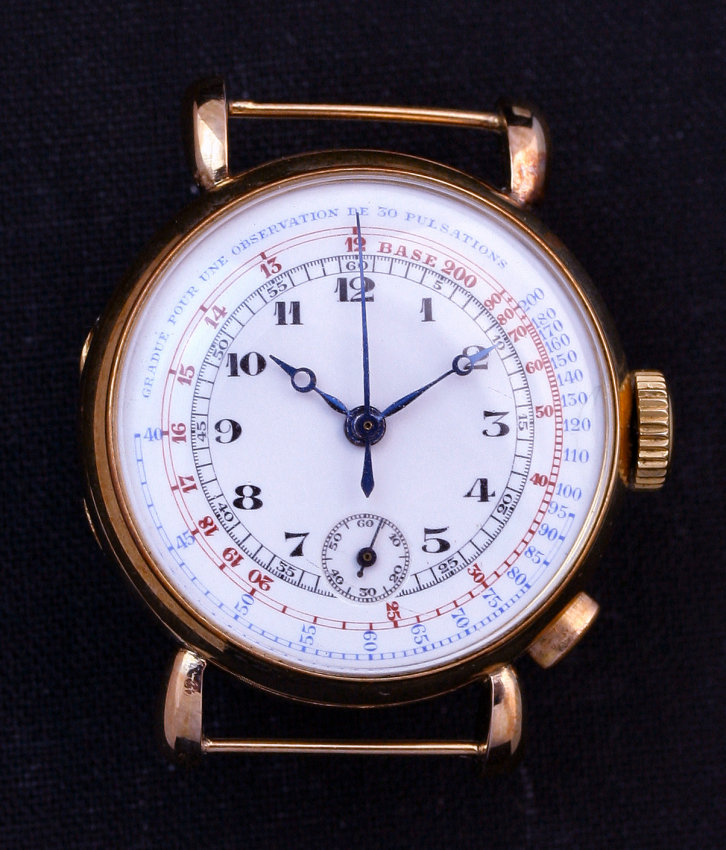
Ébauches SA was founded on December 27, 1926, in Neuchâtel, following the merger of three major movement manufacturers: A. Schild SA, Fabrique d'Horlogerie de Fontainemelon, and Michel SA. Together, these three companies produced more than 50% of Swiss movements at the time. The strength of Ébauches SA lay in the fact that it was a private company and, with the help of banks, was very wealthy. In the field of chronographs, for example, it bought Charles Hahn (Landeron) in 1927 and Vénus the following year.
In 1931, a super holding company, ASUAG, was created with the mission of consolidating rough castings and all supplies. ASUAG needed a lot of money to succeed, more than the banks could advance. But the situation in 1931 was dire, with 20,000 watchmakers unemployed, and it was the Swiss Confederation itself that stepped in to help by acquiring a stake in ASUAG and granting an interest-free loan of 7.5 million Swiss francs.
Ébauches SA continued its acquisitions: examples include A. Raymond SA with its Unitas movement factory in 1932, Eterna with its ETA movements, and Valjoux SA in the chronograph sector in 1944. The situation was now under control, helped by the devaluation of the Swiss franc in 1936 and an economic recovery that would not be affected by the Second World War.